

Dental veneers are a commonly chosen option in cosmetic dentistry for those looking to improve the appearance of their natural teeth. Whether made from porcelain or composite materials, these thin shells are designed to bond to the front surface of teeth. They can assist in managing concerns such as stained or uneven teeth, as well as other aesthetic concerns. With proper oral hygiene and care, veneers can help support a more confident smile.
While they are generally durable, veneers are not immune to everyday wear, changes in the tooth surface, or other dental issues that may develop over time. In some cases, you may experience veneers coming off, which can be unexpected but isn’t unusual. Fortunately, routine dental appointments can often manage such issues, particularly when addressed early.
In this blog post, we’ll explore some of the common reasons veneers may come loose and what to do if a veneer falls. We’ll also cover practical steps to help prevent veneers from detaching early, including regular dental visits, gentle care, and consistent maintenance.
Contents Navigation
Summary of the Content:

- Dental veneers are thin shells made from porcelain or composite materials that bond to the front surface of teeth to improve their appearance.
- While veneers are designed to be durable, they may sometimes come loose due to various factors.
- Common reasons for veneers coming off include weakened bonding material, teeth grinding (bruxism), natural wear and tear, accidental trauma, poor dental hygiene, and harmful oral habits such as biting nails or chewing ice.
- If a veneer falls off, it is important to stay calm, keep the veneer safe, avoid using glue or non-dental products, protect the exposed tooth with dental wax if needed, and schedule an appointment with a dentist immediately.
- Preventive steps include maintaining proper oral hygiene, using a night guard if diagnosed with grinding, avoiding harmful habits, and attending regular dental check-ups.
- With proper care, veneers may last for many years, although longevity varies from person to person.
Common Reasons Dental Veneers May Come Off
Dental veneers are designed to be long-lasting, offering support for patients who want to address aesthetic concerns such as stained teeth, chipped enamel, or uneven teeth. However, several factors may influence how well they stay in place over time. If you notice veneers coming off, it is often due to one or more of the following causes, many of which can be managed with care and professional guidance.
Bonding Issues
Veneers are attached to the tooth’s surface using a bonding agent and dental cement. Over time, the bonding material may weaken, particularly as the underlying tooth changes or as the adhesive ages. This can sometimes result in loose veneers or detachment.
Even with careful placement, the natural ageing of materials may influence how securely a veneer and the tooth remain bonded. A qualified dentist can determine whether a new veneer or adjustments are necessary in these situations.
Teeth Grinding (Bruxism)
If you tend to grind your teeth or clench your jaw, especially at night, the constant pressure can strain both natural teeth and veneers. Over time, grinding teeth may cause a veneer to come loose. This condition, known as bruxism, is relatively common and often manageable with tools like a night guard, which helps absorb pressure while you sleep.
If you experience signs such as jaw discomfort or increased tooth sensitivity, it’s worth mentioning the concern during your next dental appointment.
Trauma or Injury
Day-to-day accidents can happen. Biting into hard foods unexpectedly, falling, or playing contact sports without a protective guard may cause a veneer to dislodge. Other examples include biting into a popcorn kernel or trying to open packaging with your teeth, both of which apply more force than veneers are designed to handle.
If a veneer detaches due to trauma or injury, place it in a small container and see your dentist as soon as possible. In most cases, early care can help reduce the risk of further damage or discomfort.
Natural Wear and Tear
Just like natural teeth, veneers and the materials that support them change with age. Exposure to hot coffee, cold foods, and years of chewing may gradually affect the bond at the edges of the veneer.
These changes do not necessarily indicate failure; rather, they reflect the natural wear that occurs with any dental restoration. When a veneer approaches the end of its expected service life, your dentist may recommend replacement to maintain optimal function, aesthetics, and oral health.
Poor Dental Hygiene
The health of the underlying tooth is key to keeping veneers stable. If dental hygiene is neglected, plaque can accumulate, increasing the risk of tooth decay or gum disease. These conditions may weaken the foundation that holds the veneer in place.
Observing proper oral hygiene, such as brushing twice daily, flossing regularly, and attending regular check-ups, helps protect both natural teeth and veneers. Good oral health routines also lower the risk of increased sensitivity, tooth damage, or loosening of veneers.
Poor Oral Habits
Everyday habits can affect the longevity of veneers. Chewing on pens, biting fingernails, crunching ice, or opening bottles with your teeth all exert excessive force on the veneers. Over time, this pressure may weaken the bond between the veneer and the tooth.
Being mindful of these habits and avoiding hard or chewy foods that stress the veneers can help prevent the veneers from becoming loose. Simple choices such as using scissors instead of teeth to open packaging make a significant difference in protecting both veneers and natural teeth.
What to Do If a Veneer Falls Off
If a veneer falls off, it can feel unsettling, but it should not cause panic. Taking the proper steps straight away helps protect your oral health and reduces the chance of further damage. Here’s what you can do:
- Stay calm:
A veneer coming loose is not uncommon and can often be managed with timely care. Staying calm will make it easier to handle the situation. - Keep the veneer safe:
Place the fallen veneer in a small container or clean tissue. Keeping it safe allows your dentist to assess whether it may be suitable for re-bonding or if a replacement is more appropriate. - Do not use glue or other adhesives:
Avoid using household glue or similar products. These can damage the tooth surface or the veneer itself and may complicate later treatment. - Protect the exposed tooth:
If the underlying tooth feels sensitive, you may gently cover it with dental wax from most pharmacies until your dental appointment. This is a temporary measure that should not replace professional care. - Book a dental appointment promptly:
Contact your dental clinic and schedule an appointment with your dentist as soon as possible. While a fallen veneer is not usually a dental emergency, arranging care quickly helps protect the exposed tooth and maintain good oral health.
How to Prevent Veneers from Coming Off
While no dental treatment lasts forever, there are simple habits that can help reduce the chance of veneers coming off earlier than expected. These steps focus on protecting both your veneers and your overall oral health.
Practice Good Oral Hygiene
Keeping your natural teeth, gums, and the underlying tooth healthy is essential. Consistent routines like brushing twice a day, flossing regularly, and attending professional cleaning appointments help reduce the risk of tooth decay and gum disease. These habits keep the structures supporting your veneers in good condition and contribute to their stability over time.
Protect Against Grinding
For patients who grind their teeth at night, a condition known as bruxism, the constant pressure can place strain on veneers. If this applies to you, a night guard may be recommended. These dental appliances help absorb force while you sleep and can reduce wear on both veneers and natural teeth.
Signs such as jaw tension, worn biting edges, or morning headaches may suggest bruxism. If you notice these, mention them during your next dental appointment.
Avoid Harmful Habits
Everyday behaviours can place unnecessary pressure on veneers. Try to avoid chewing ice, biting fingernails, crunching hard foods, or using teeth to open packaging. These actions create excessive force on the veneer and the tooth, which, over time, may weaken the bonding material. Being mindful of these habits goes a long way in protecting veneers.
Schedule Regular Dental Visits
Attending regular dental check-ups helps your dentist review the condition of your veneers, their attachment, and your overall oral health. These visits also make it easier to identify issues such as loose veneers, increased sensitivity, or signs of wear at an early stage. While these steps don’t eliminate the possibility of needing a replacement, they play an important role in maintaining veneers and the health of your natural teeth.
When to Contact Your Dentist
If you notice any changes in your veneers, scheduling a dental appointment promptly is the safest approach. Even if there is no pain, early assessment can help protect the underlying tooth and reduce the risk of further damage. Situations where you should see your dentist include the following:
- A veneer feels loose:
If a veneer starts to move or shift, it may mean that the bonding material has weakened and needs to be checked. - A veneer falls off completely:
If a veneer has fallen off, keep it safe in a clean container so your dentist can assess whether it can be re-bonded or a replacement is more suitable. - Increased sensitivity or discomfort:
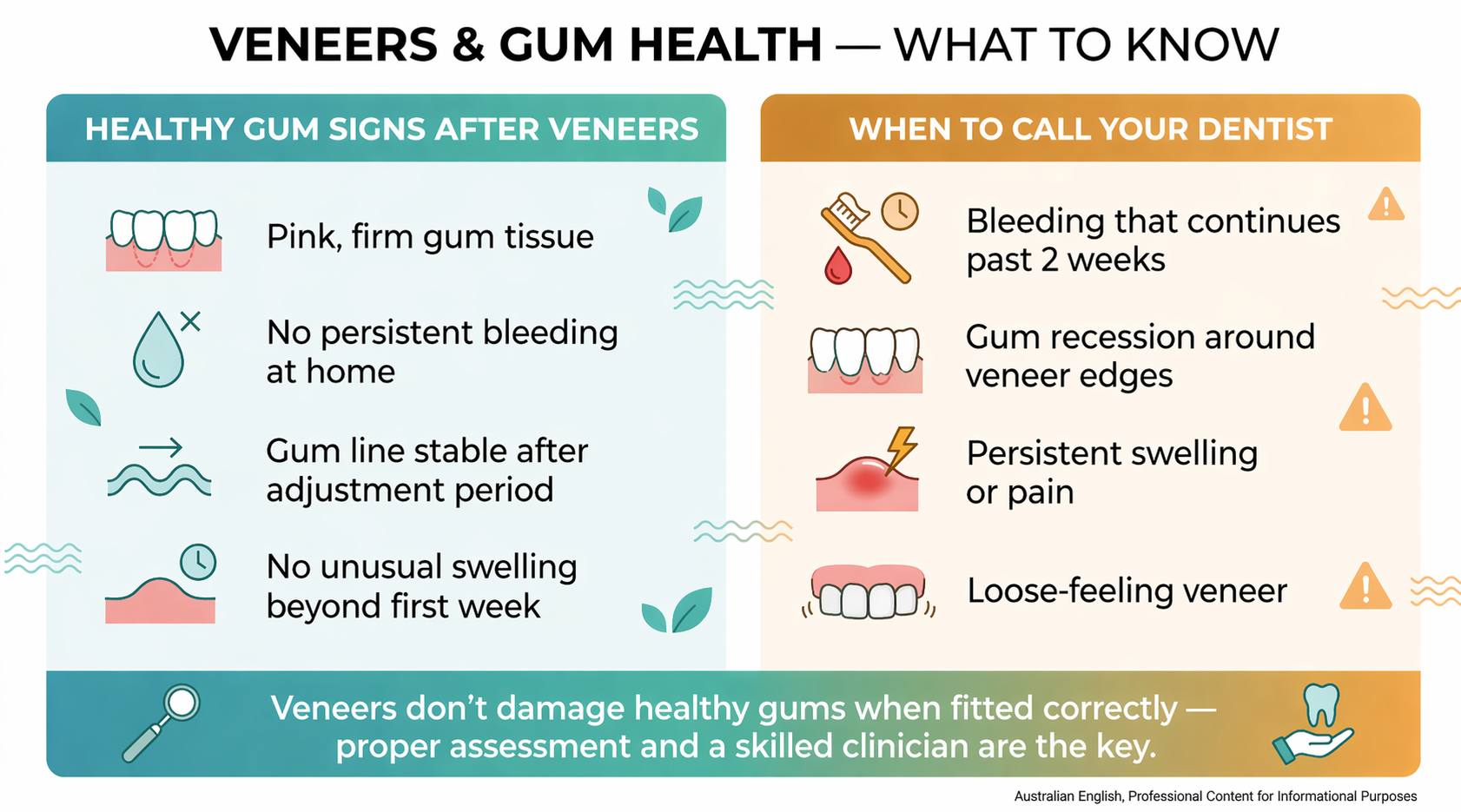
If you notice sensitivity in the tooth surface or around the gums, it could indicate that the veneer or the supporting tooth requires attention. - Changes in your bite:
If your teeth no longer fit together as they used to, this may suggest that a veneer has shifted or another problem is developing.
A loose veneer is a dental emergency, and it is important to arrange care promptly to avoid discomfort or further damage. Contacting your dental clinic to schedule an appointment with your dentist allows for timely care and helps maintain your overall oral health.
Final Thoughts
Dental veneers are designed to be durable, but several factors may affect how well they stay in place. Common reasons for veneers coming off include changes in the bonding material, teeth grinding (bruxism), accidental trauma, natural wear over time, poor dental hygiene, and everyday habits such as chewing ice or biting fingernails.
The good news is that many of these risks can be reduced with simple steps. Observing proper oral hygiene, wearing a night guard if recommended, avoiding harmful habits, and attending regular dental check-ups can all help support veneer stability. With proper care, veneers may last for many years, although their lifespan varies from person to person.
If you have concerns about a loose veneer, a dislodged veneer, or general changes in comfort, it is always safest to seek professional advice. A dentist can provide guidance tailored to your individual needs rather than relying on self-management. If you are considering veneers, it is helpful to remember that professional support plays an important role in long-term care. For those living in Mindarie and nearby suburbs, cosmetic dentistry, it is helpful to remember that professional support plays an important role in long-term care. For those living in Mindarie and nearby suburbs, Anchorage Dental Care Mindarie provides local access to dental care for assessments or treatment.


 How We Can Help
 General Dentistry
 Emergency Dentist
 Cosmetic Dentistry
 Dental Implants
 Restorative Dentistry
 Cosmetic Procedures
 Orthodontics
 Sedation and Sleep Dentistry
 Preferred Provider
 Other Payment Options
 Government Scheme