Your dentist goes through your medical history and medicines before sedation is discussed.
Oral and IV sedation
Sedation Dentistry in Mindarie
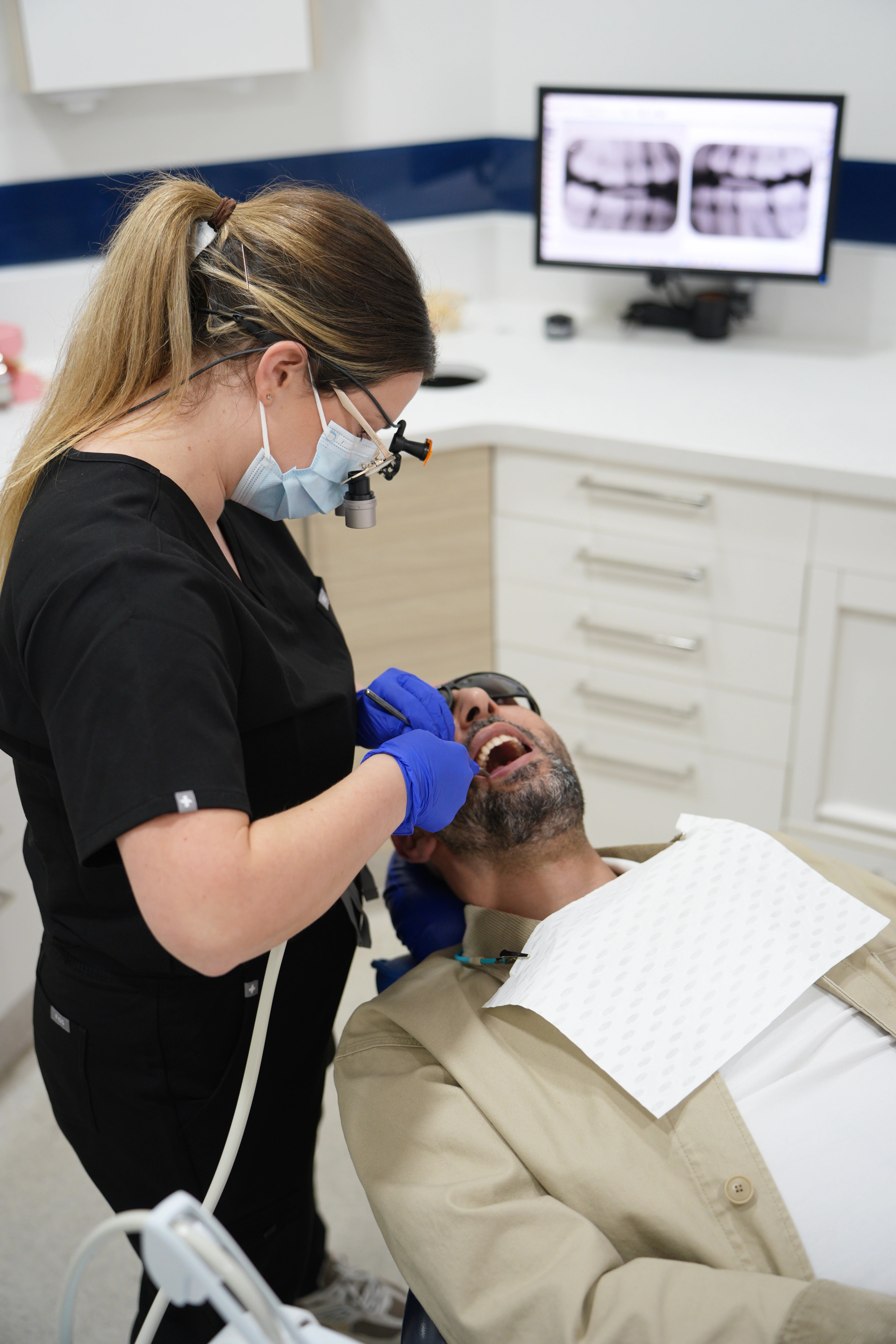
The tooth needs fixing, and you know it does. It’s getting through the treatment in the chair that you can’t face. For some people and some treatment, oral or IV sedation is worth talking about, and your dentist goes through your health, your medicines and what actually needs doing before it’s suggested.
Independently checked for infection control, safety and patient care.
We’ve looked after nervous patients from Mindarie and the coastal suburbs for 14+ years.
Where the fear comes from
Needles, the drill, gagging or a bad memory
Most dental fear has something specific behind it: needles, the sound of the drill, gagging, embarrassment about the state of your teeth, or a visit years ago that went badly. Knowing which one it is changes how we plan your visit.
Sedation isn’t the answer for everyone, and for children we use it only as a last resort. Sometimes hearing each step before it happens, and agreeing a signal for a break, is enough on its own.
Say which one it is when you ring (08) 9407 7888. We’ll note it on your file, so whoever looks after you knows before you sit down.
Ways we can help
Making treatment easier, with or without sedation
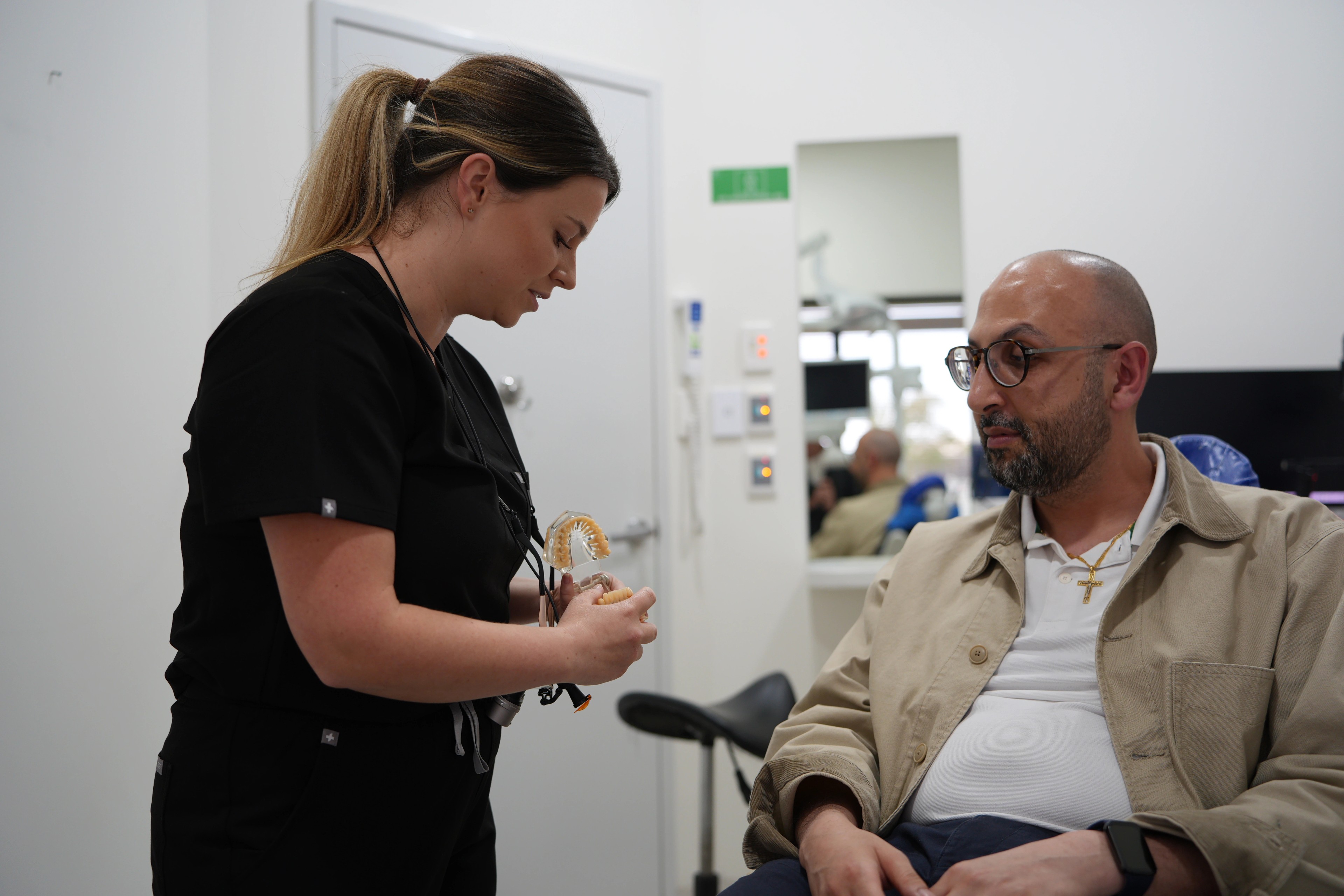
For plenty of people, knowing each step before it happens and being able to stop for a breather is enough. When it isn’t, your dentist can talk through oral or IV sedation and what each would mean on the day.
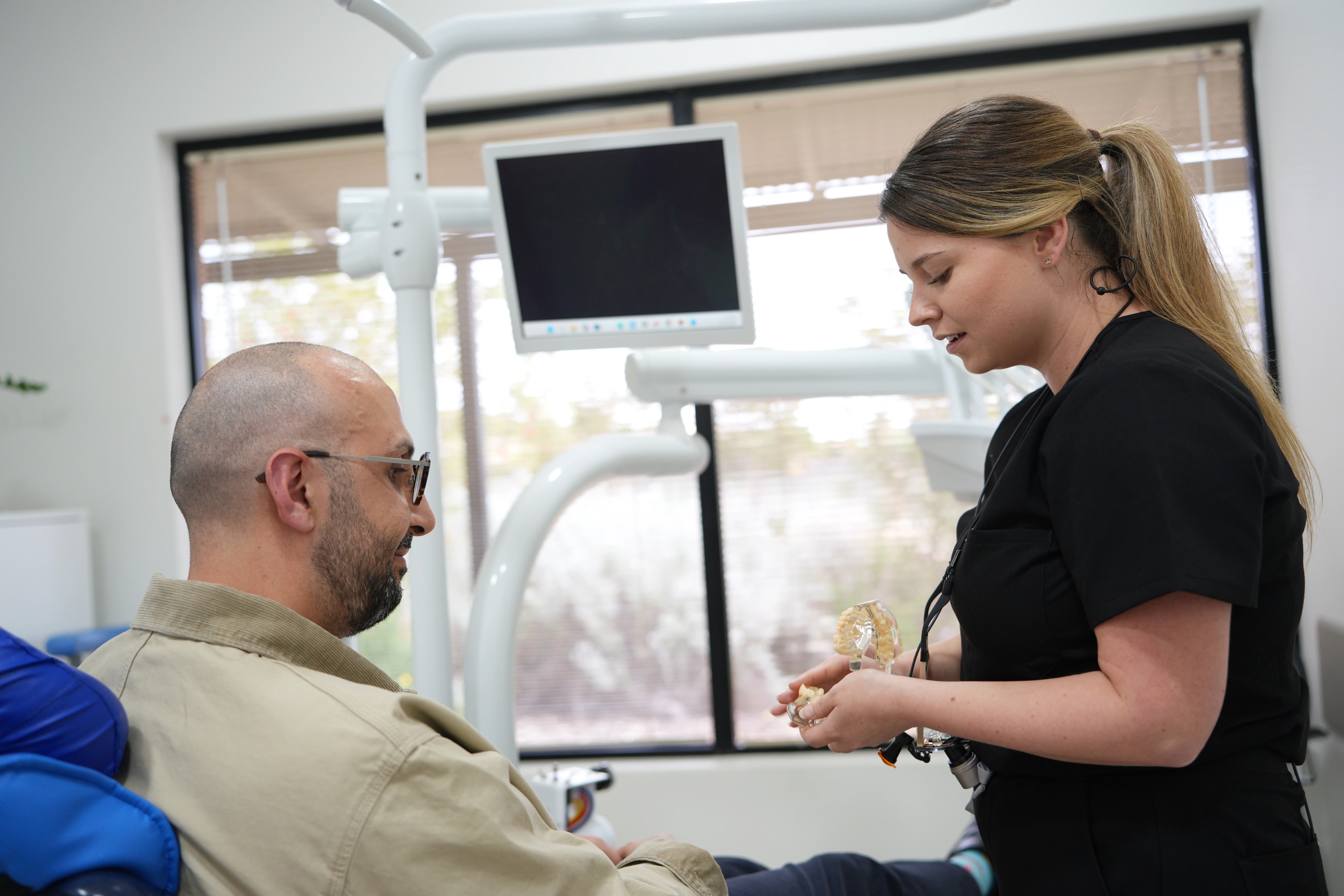
Dental anxiety support
We explain each step before we start, and you can stop us whenever you need a break.

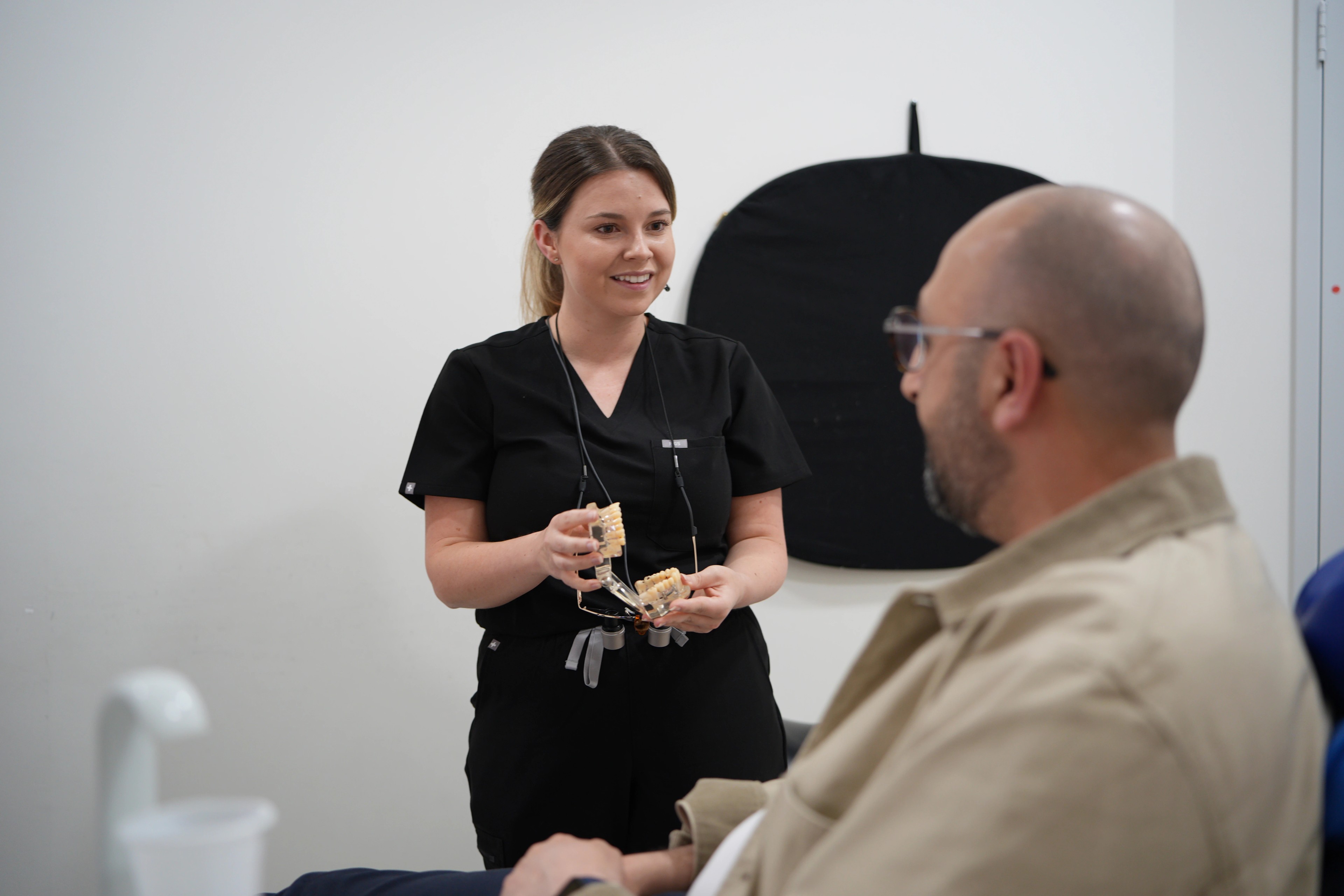
Sedation discussion
Oral sedation is taken by mouth; IV sedation goes into a vein. Which suits depends on your health, your medicines, how anxious you are and the treatment needed.
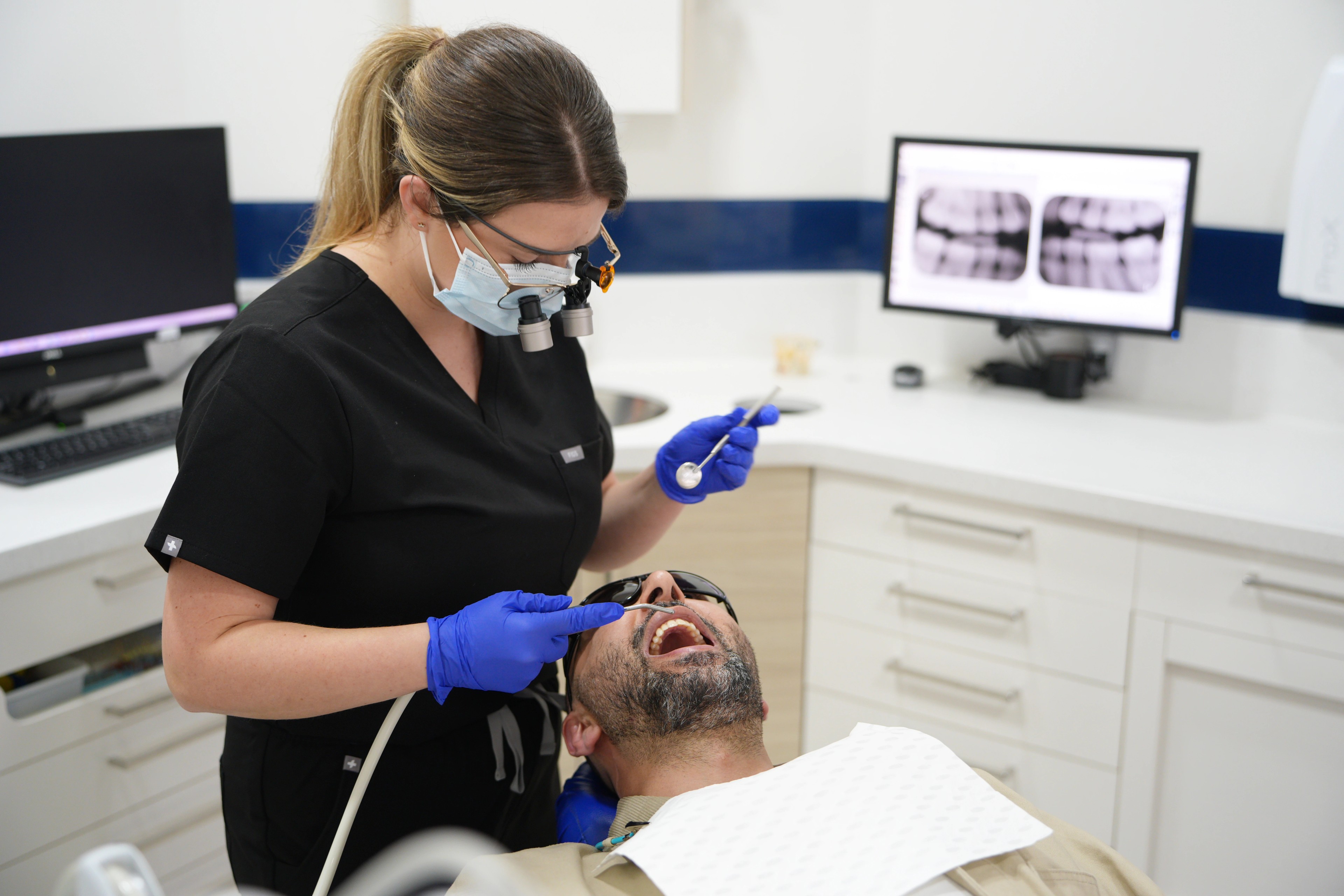
Treatment planning
First we work out what you actually need. Then we plan the order, how to prepare and who’s coming with you.
Before a sedation visit
What happens before sedation is booked
We look at the dental problem, what makes care hard for you and the health details that matter for sedation.

Your side
What makes it hard
What makes visits difficult, and what has or hasn’t helped at past appointments.Sedation and sleep dentistry planning
Fasting, a lift home and what it costs
Three things to settle before a sedation visit: what the risks are for you, what your fund will put towards it, and when each part is paid.
Book an Appointment
The risks, before you agree
Your dentist will explain the risks of sedation for you, and what the alternatives are. Any surgical or invasive procedure carries risks. Before proceeding, you should seek a second opinion from an appropriately qualified health practitioner.
What your fund covers
Your rebate depends on your policy and the item numbers, so check with your fund before the visit. We’re a preferred provider with Bupa, HCF and nib.
Seeing the sedation cost on its own line
The estimate can show the dental treatment and the sedation apart, each with its item numbers, so you can see exactly what sedation adds.
Is sedation right for you?
Allergies, past reactions to sedation or anaesthetic and any recent change in your health all go into the decision, along with the treatment itself.
- Bring a current list of your medicines.
- We’ll tell you which type of sedation we’d suggest, and why.
Dental Professionals
Who you’ll see if you’re nervous
Dr Maddi Sheppard has a particular interest in anxious patients and children. Dr Michael Shams and Dr Charles Tricoli also explain each step before they begin, and stop when you ask.

Principal Dentist
Dr Michael Shams
AHPRA Reg. DEN0001580551
Graduated from UWA in 2002 and has led Anchorage since 2011. Enjoys the bigger restorative and cosmetic work, from veneers to restoring implants.
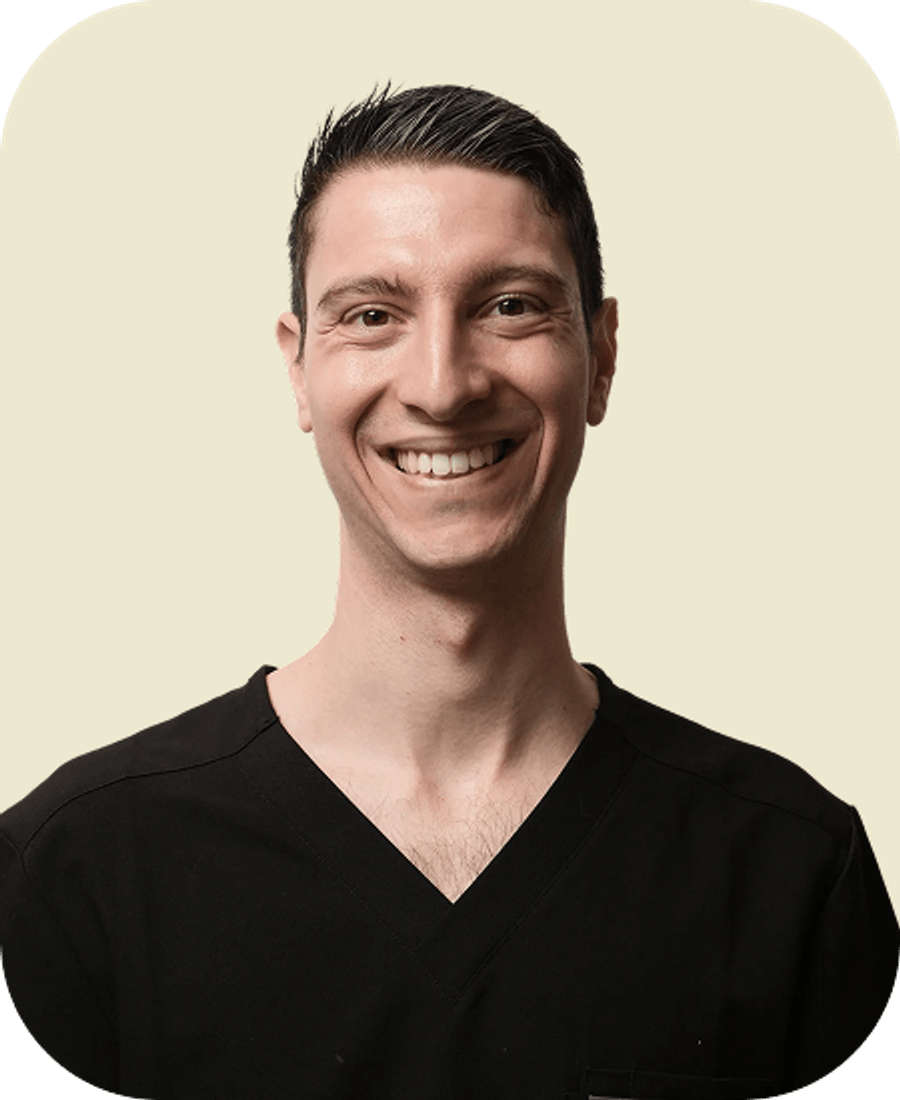
General Dentist
Dr Charles Tricoli
AHPRA Reg. DEN0002559634
Trained at UWA, graduating in 2021. His focus is preventive and restorative care: catching problems early and fixing them simply.

General Dentist
Dr Maddi Sheppard
AHPRA Reg. DEN0002871674
Trained at the University of Sheffield and moved to Perth in 2024. Has a soft spot for children, nervous patients, and anyone who wants to talk about their pets.
More help
Other pages if you’re nervous about the dentist
Not everyone needs sedation. These cover first visits, everyday care, and what to do if something hurts and you’ve been putting it off.
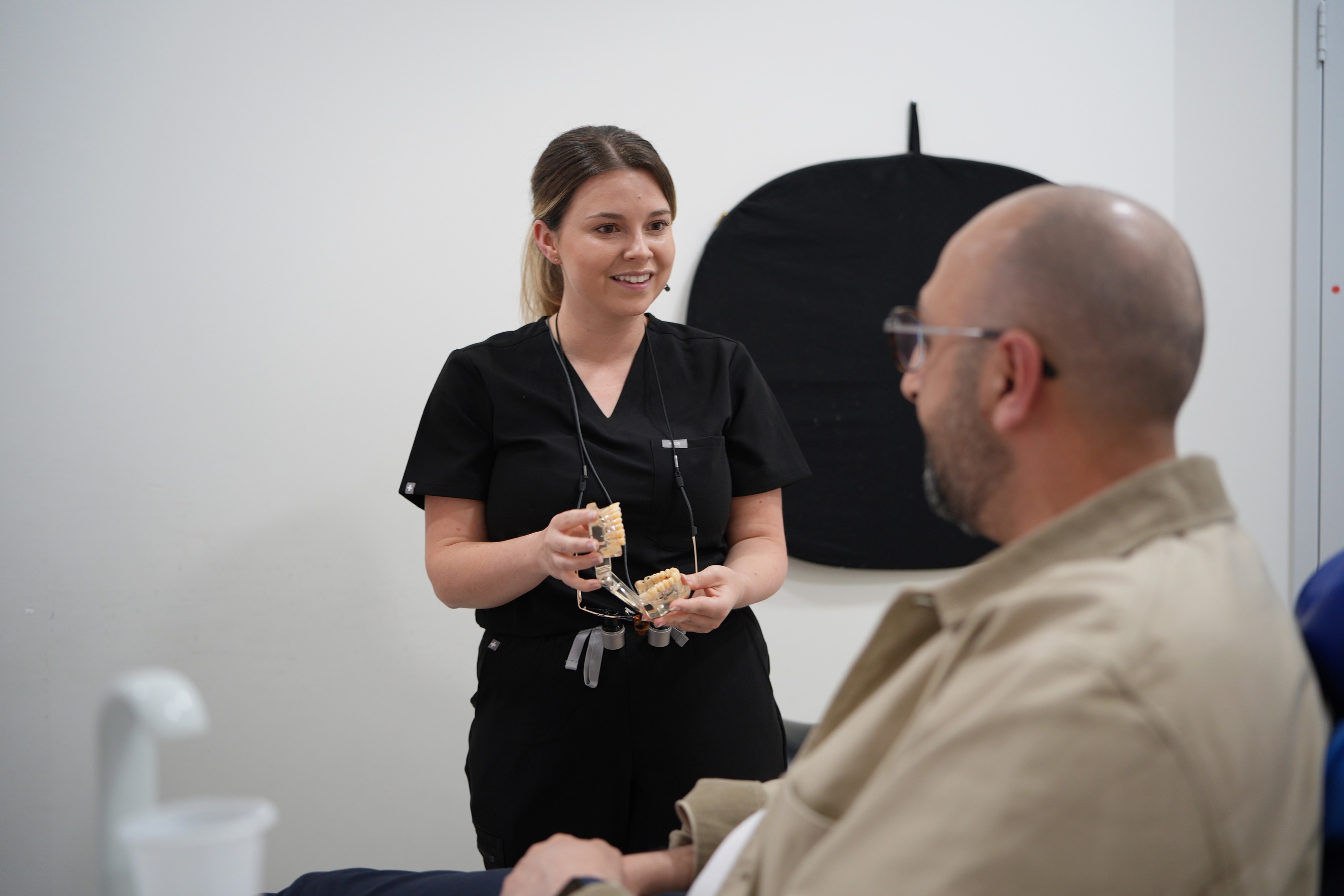
New patient visits
What a first visit involves, from the forms to the check-up and the talk afterwards.
Read about first visits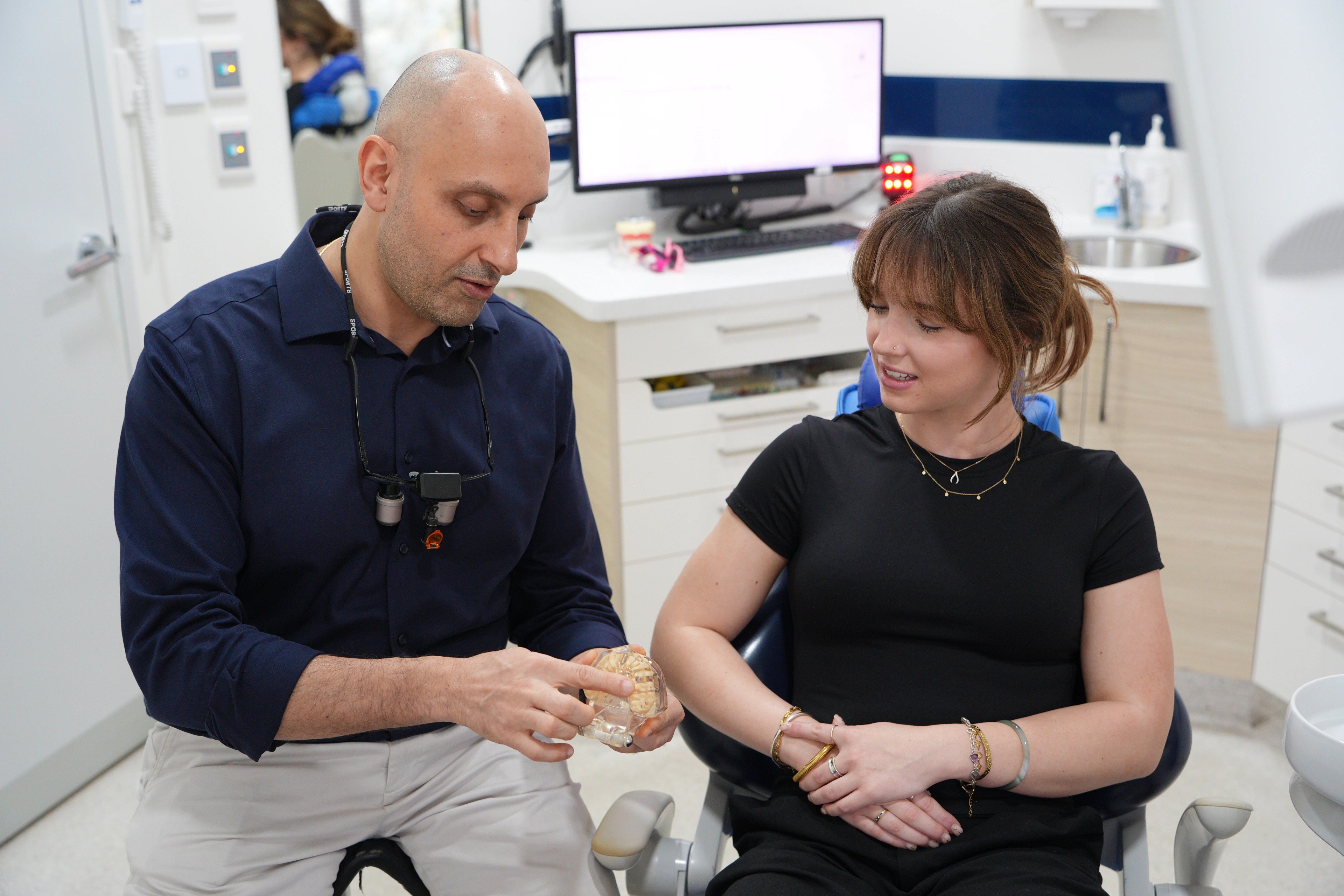
General dentistry
A check-up shows what you actually need, so you’re not lying awake imagining the worst.
See general dentistry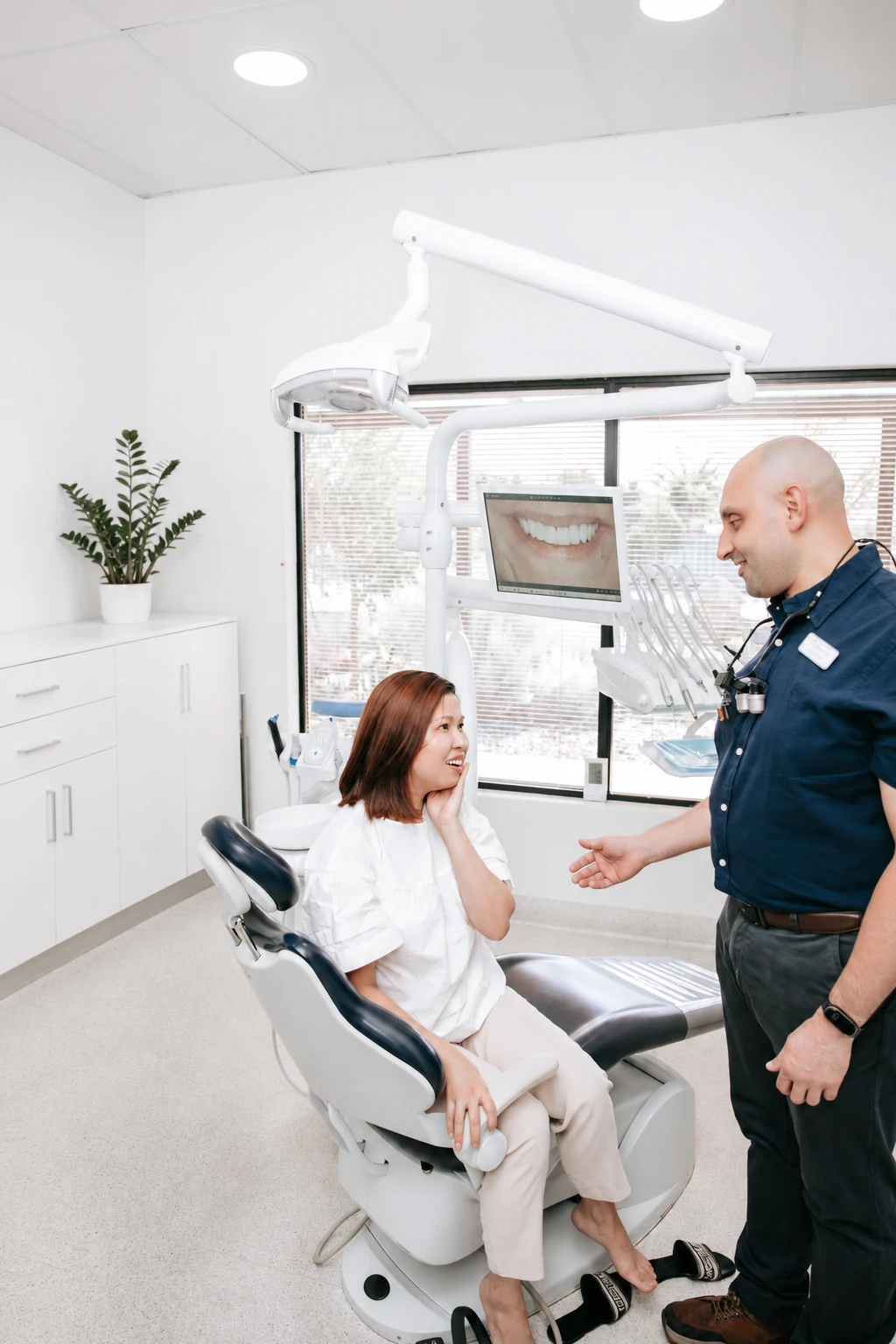
Emergency dentist
In pain and putting it off because you’re nervous? Ring us. A tooth that hurts or has broken can have a same-day assessment, nerves and all.
What to do if it hurts nowSedation questions

Questions about sedation dentistry
What nervous people ask us before a sedation visit: what it feels like, who it suits, how to get ready, getting home and what it costs.
Say what makes the visit hard, not just that you’re nervous. Pain, needles, the sound of the drill, gagging, embarrassment and a bad visit years ago each need a different kind of help.
That tells your dentist what to explain first and how to pace the appointment. They’ll talk you through the examination before it starts and, if it suits the work you need, go through oral or IV sedation with you.
Talking is often easier than writing it on a form. Ring (08) 9407 7888 before you book and say as much or as little as you like.
No. It isn’t the automatic answer for every anxious person or every appointment. Your dentist needs your medical history, your medicines, the planned treatment and what drives your anxiety before saying whether it suits.
If sedation isn’t suggested for you, you’ll hear why, and what else could make the treatment easier to get through.
Asking about sedation at a first visit doesn’t commit you to it. Talking it through and booking it are two separate steps.
Not usually. “Sleep dentistry” is a loose term, and sedation isn’t the same as being unconscious. We’ll tell you which type we’d suggest for your visit, and why.
How aware you’ll be depends on the type of sedation and on you. Your dentist will explain what you’re likely to feel and how you’ll be looked after while you’re sedated.
If you’ve had sedation before, for dental work or anything else, let us know how it went. It helps your dentist explain what to expect this time.
You might be asked to fast for up to 8 hours beforehand. The exact instructions depend on the type of sedation and your health, so follow the written instructions you’re given for your appointment.
You’ll need someone to drive you home, and you can’t drive yourself for the rest of the day.
We’ll go through the preparation and the aftercare with you before the day, including the signs that mean you should ring us.
Your dentist first looks at the dental problem, your health and which type of sedation might suit. Before you agree, you’ll know whether it’s oral or IV, how long to fast and whether there’s a sedation fee on top of the dental work.
The sedation can be shown on the estimate apart from the treatment, with when each part is paid. Before the sedation visit, we’ll tell you whether each line can be claimed on the day, so it’s worth having your fund card with you.
Often it can. We explain each step before we start, and you can stop us for a break whenever you need one.
For a lot of people the worst of it is not knowing what’s coming, so we tell you what each step will feel like before we start it, not halfway through.
At the first visit, we’ll go through what we could do without sedation, and how that would change the plan.
Your medical history, medicines, allergies, any past reactions to sedation or anaesthetic, and the treatment planned all affect whether sedation suits you. What’s needed depends on whether oral or IV sedation is being considered.
Bring an up-to-date list of medicines and mention any recent changes. Don’t stop a prescribed medicine because of a dental appointment unless the doctor who prescribed it tells you to.
When you ring to book, we’ll tell you what health information we need from you first.
Yes, and after sedation you’ll need them, because someone has to take you home. A calm friend or family member who can keep that time free is ideal.
It helps to share the aftercare advice with them, so they know what’s normal on the way home and when to ring us.