Decay and gum health first
Decay, bleeding gums or another problem gets treated before any movement is planned.

You don’t have to go back to wires because the teeth you had straightened as a teenager have drifted. Clear aligners are removable trays that move teeth a little at a time, but they don’t suit every bite. We check your teeth, gums, bite and routine before saying whether they’d work for you.

Teeth shouldn’t be moved on top of decay or gum disease. So before any aligner plan, we check your teeth and gums, how your bite fits together and whether wearing trays most of the day is realistic for you.
Decay, bleeding gums or another problem gets treated before any movement is planned.
We look at what you’d like changed, how your teeth meet and how far each one would need to travel.
Aligners only work when they’re in, usually 20–22 hours a day. We’ll talk through anything in your week that would make wearing and cleaning them hard.
Aligners fit over every tooth, so we need more than a photo of your smile. Earlier braces, fillings and crowns, missing teeth, gum problems and what a normal day looks like for you all matter.
Say what you wore, when treatment finished and whether your teeth have moved since.
Clear aligners are one way to straighten teeth. Your dentist can compare them with Invisalign®, fixed braces or simply keeping an eye on things, based on your bite, your gums, the movement needed and your routine. Invisalign® is a registered trademark of Align Technology, Inc.
You take the trays out to eat and clean, but they still need wearing most of the day, with regular check-ins. We’ll tell you what the plan would ask of you.
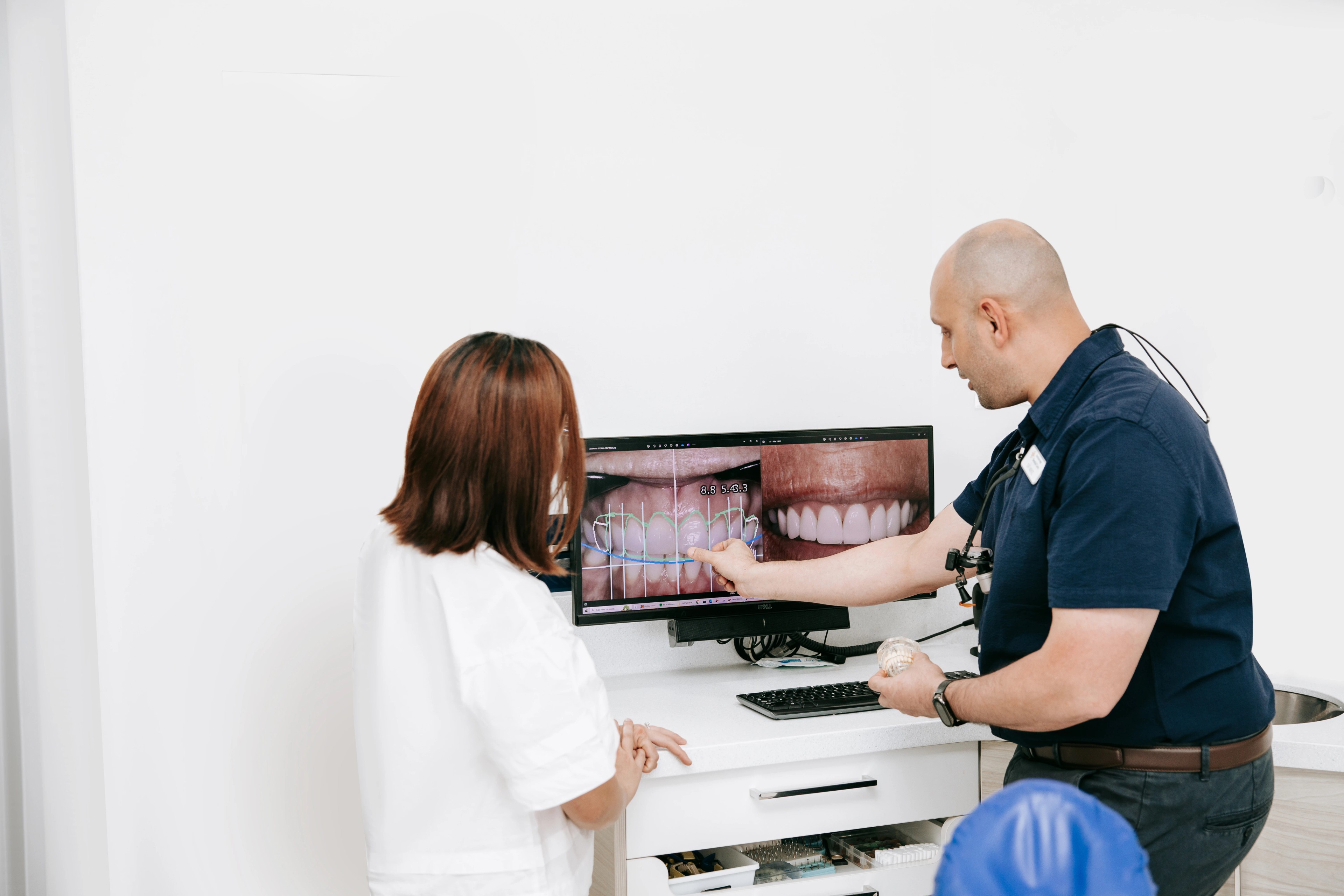
Most clear-aligner plans take around 6–18 months. You wear the trays for about 20–22 hours a day and usually move to a new set every 1–2 weeks, but your dentist confirms the system, the sequence and the timing for your mouth.
We go over your concern and history, examine your teeth, gums and bite, and take the records needed to plan.
You’ll see how the trays would move your teeth, the alternatives, and what 20–22 hours a day, tray changes and 6–18 months would mean for you.
If you go ahead, you wear each set in order and come in for check-ins. Ring us if a tray stops fitting, your gums change or something else comes up.
Once the teeth have moved, a retainer keeps them there. We’ll explain how to wear it and look after it.
The Australian Dental Association advises taking clear aligners out to eat and for any drink except water, brushing your teeth as usual and cleaning the trays the way you’re shown. Keep them in their case when they’re out of your mouth, and let us know if one is lost, damaged or stops fitting.
Your plan sets the exact wear and cleaning routine. Ring us about soreness that doesn’t settle, a gum change, a possible new cavity or a tray that no longer sits right. Don’t skip ahead or go back a tray on a guess.
Clear aligners can rub and irritate the mouth, and poor cleaning raises the risk of tooth decay, staining or gum infection. Teeth can drift again after treatment if the retainer isn’t worn as advised. Other risks, and how far teeth can move, depend on your mouth and your plan. Your dentist will go through the risks, limits, alternatives and retention plan before you consent.
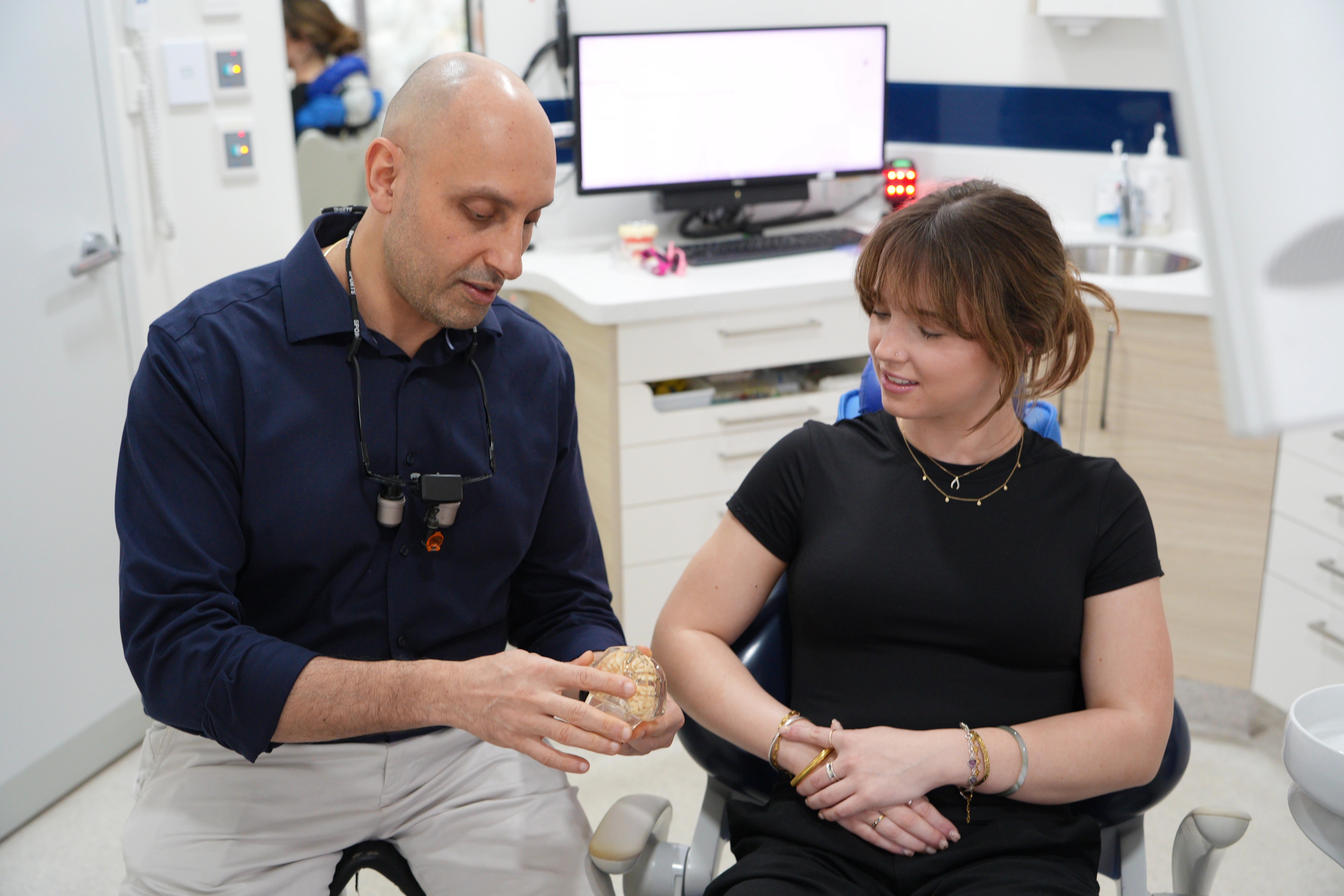
“Clear aligners” on its own doesn’t tell you the cost or the time. Once we’ve examined your mouth, your dentist confirms the movement needed, the records and check-ins, the stages and the quote. The figure you get is for your teeth and your plan.
Book an AppointmentCall (08) 9407 7888 or book online. Say you’d like to talk about clear aligners in general, before any brand is chosen.
It sets out what’s covered, including check-ins, retainers and care instructions, before you accept. Your dentist will explain what could change it.
Orthodontic cover varies between policies, so check your limit and waiting period. Zip and in-house plans are on our payment options page.
We’re at 1/6 Rothesay Heights, Mindarie WA 6030, open Monday to Thursday 8am to 6pm, Friday 8am to 5pm and Saturday mornings, 8 till 1. Closed Sunday.
Pick the page that fits your next question, from the brand name to the cost.


A clear tray sounds simple until you ask what it needs from your mouth and your day. These answers are about aligners in general, not one brand or one price.
A series of thin, removable plastic trays, each shaped to move your teeth a little further. The trays are only part of it: we check your teeth, gums, bite and the movement needed, and take records, before deciding whether they suit you.
The plan also depends on whether you can wear them 20–22 hours a day and come to check-ins. Tell us your concern and a little about your week, and we’ll explain what movement, check-ins and retainer the plan would include.
No. They suit some people well, but nobody can say they’ll suit you without looking in your mouth. Gum health, your bite, where the teeth sit, how far they need to move, earlier treatment and your routine all make a difference.
Braces or simply monitoring can make more sense if the findings or your routine point that way. Book a check and ask your dentist to compare the options for your actual bite.
No. Clear aligners are the general type, and Invisalign® is one brand. Whichever system is suggested, you still need its scope, check-ins and cost explained, so compare the details rather than treating the names as interchangeable.
If you’re looking at a branded plan, keep it separate from this general picture. Your dentist will tell you which system is proposed, what it includes and how it’s monitored before you compare prices.
Most people wear clear aligners for about 20–22 hours a day, move to a new tray every 1–2 weeks and finish in around 6–18 months. How far your teeth move, your gum health and how they respond can change those figures.
Before you accept the plan, ask about check-ins and what to do if a tray stops fitting. If wearing or changing trays gets hard, ring us rather than changing the order yourself.
Take them out to eat and for any drink other than water, then clean your teeth and the trays before they go back in. Plain water is fine with them in, but don’t assume other drinks are harmless just because the trays are clear.
If meals, work or travel make the routine hard, we’ll help you work around it, including what to do after eating out. Your written instructions fit in the aligner case, so they’re always with you.
Brush and clean between your teeth as usual, then clean the aligners the way you’re shown. The Australian Dental Association describes using antibacterial liquid soap, a spare toothbrush and warm water for the trays, and your plan can add more specific steps.
We’ll show you at the fitting, and help if a change in fit or your gums makes cleaning hard. Treat teeth and trays as two jobs done together, and stick to the method you’re given rather than something off the shelf.
Neither is automatically the better choice. What matters is how each deals with your bite and the movement needed, whether you’d rather something removable or fixed, how you’d clean around it and how well it fits your week.
Your dentist will explain what each could correct in your mouth, how the daily care differs and whether monitoring would do for now, so you’re deciding on your own priorities rather than a general promise.
Ring us before changing trays if an aligner is lost, cracked or no longer fits. What to do depends on which tray it is, how long you’ve worn it and whether it still sits properly. Don’t glue it, and don’t copy someone else’s plan.
Keep the case and the damaged tray, and note when the problem started. Let us know which tray number you’re up to and any symptoms, and we’ll tell you how to carry on.
Once your dentist has checked the movement needed, the records, the check-ins and the retainer, you get a quote for your plan. There’s no single fee for every aligner plan, and your fund rebate depends on your orthodontic cover.
You’ll have the plan in writing, including which check-ins and retainers are covered and which costs are fixed. Read it at home before treatment starts, and ring us if anything is unclear.