The chip you keep noticing

Dental Bonding in Mindarie

You see it every time you brush: a small chip off a front corner, or an edge that’s started to look a bit uneven. Bonding is tooth-coloured composite resin, shaped onto the tooth and set hard, usually in a single visit. Before any goes on, we check why the tooth chipped and how it meets the one opposite, because that’s what decides whether resin will hold.

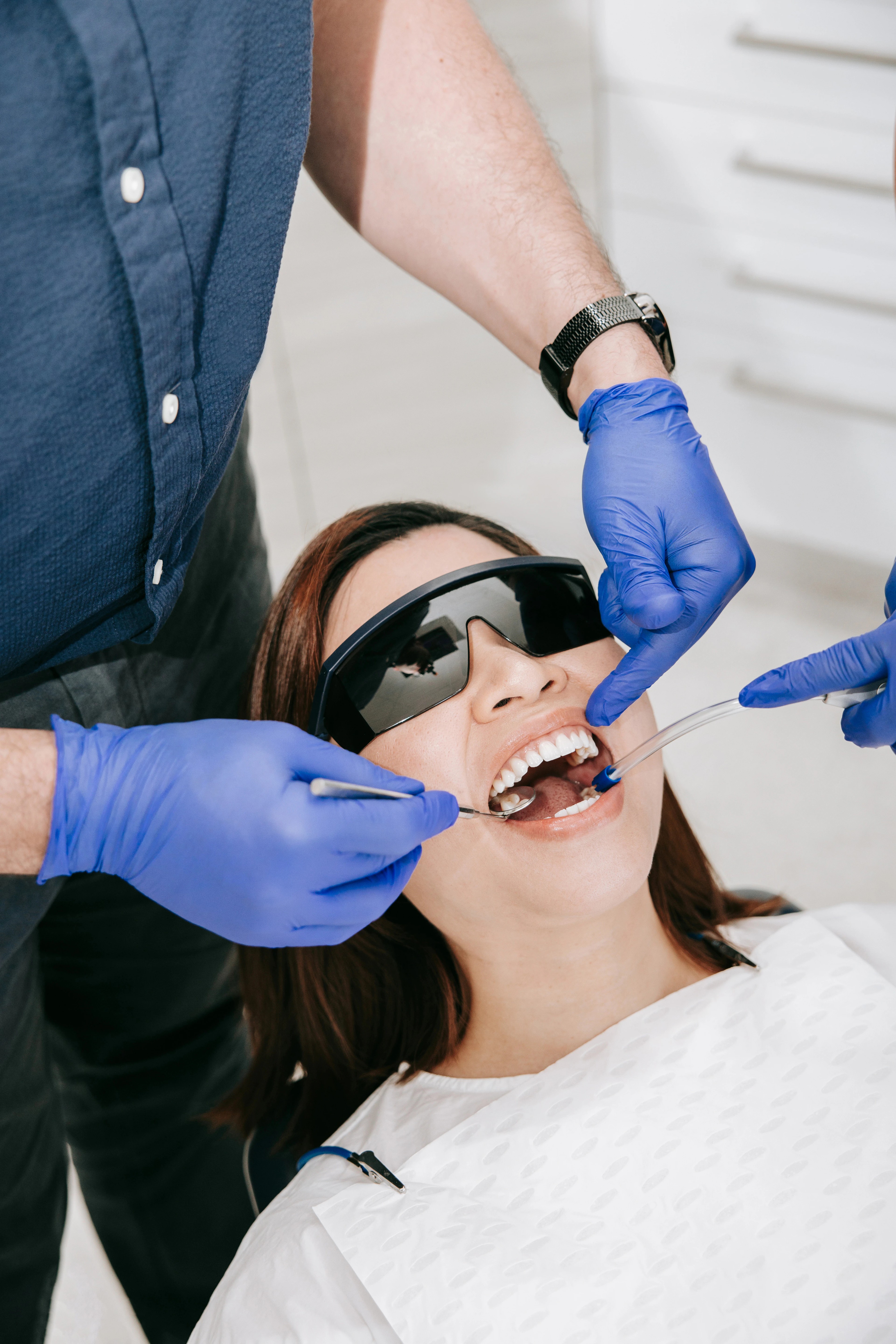
Dentist treating a patient during a dental visit.
Before any resin goes on

Three things we check before any resin

Bonding adds to the tooth rather than taking enamel away, which is a big part of its appeal. It still has to sit on healthy tooth, under a bite it can live with. So before we talk about resin, your dentist looks at three things.

Why the edge chipped

A chip from a fall is a different story from one left by years of wear, an old filling giving way or a spot of decay. We’ll ask when you first noticed it. A chip that looks tiny can sit beside a crack, and that needs a different kind of check.

Where your bite lands

Resin on a biting edge takes the load every time you close your mouth. We look at where your teeth meet and how they slide past each other, because that decides whether resin will stay put.

The shade around it

Resin is matched to the tooth beside it, but nearby fillings, crowns and veneers have colours of their own. We look at all of it, so the match still makes sense a few years from now.

The chip itself

Is this the kind of chip resin can fix?

Some small changes suit bonding and some don’t. If the tooth hurts, feels sensitive, broke recently or your bite suddenly feels different, it needs a proper check before anyone calls it cosmetic.

This is the classic bonding job. We check how deep the chip goes, whether there’s a crack behind it and how the edge meets the tooth below. If it happened in a fall or a knock, bring any piece you found and let us know when it happened.

Other ways to fix it

Resin, reshaping, a filling or a veneer?

Bonding is one answer to a chipped or uneven edge, and there are others. We weigh how much tooth each one involves, why the edge changed, your bite and the upkeep, and leaving it alone stays on the list.

If the tooth is healthy and the chip doesn’t affect how you bite or chew, there’s no clinical need to fix it. Plenty of people decide a small chip is just part of their smile. We’ll tell you what changes would be worth coming back for.

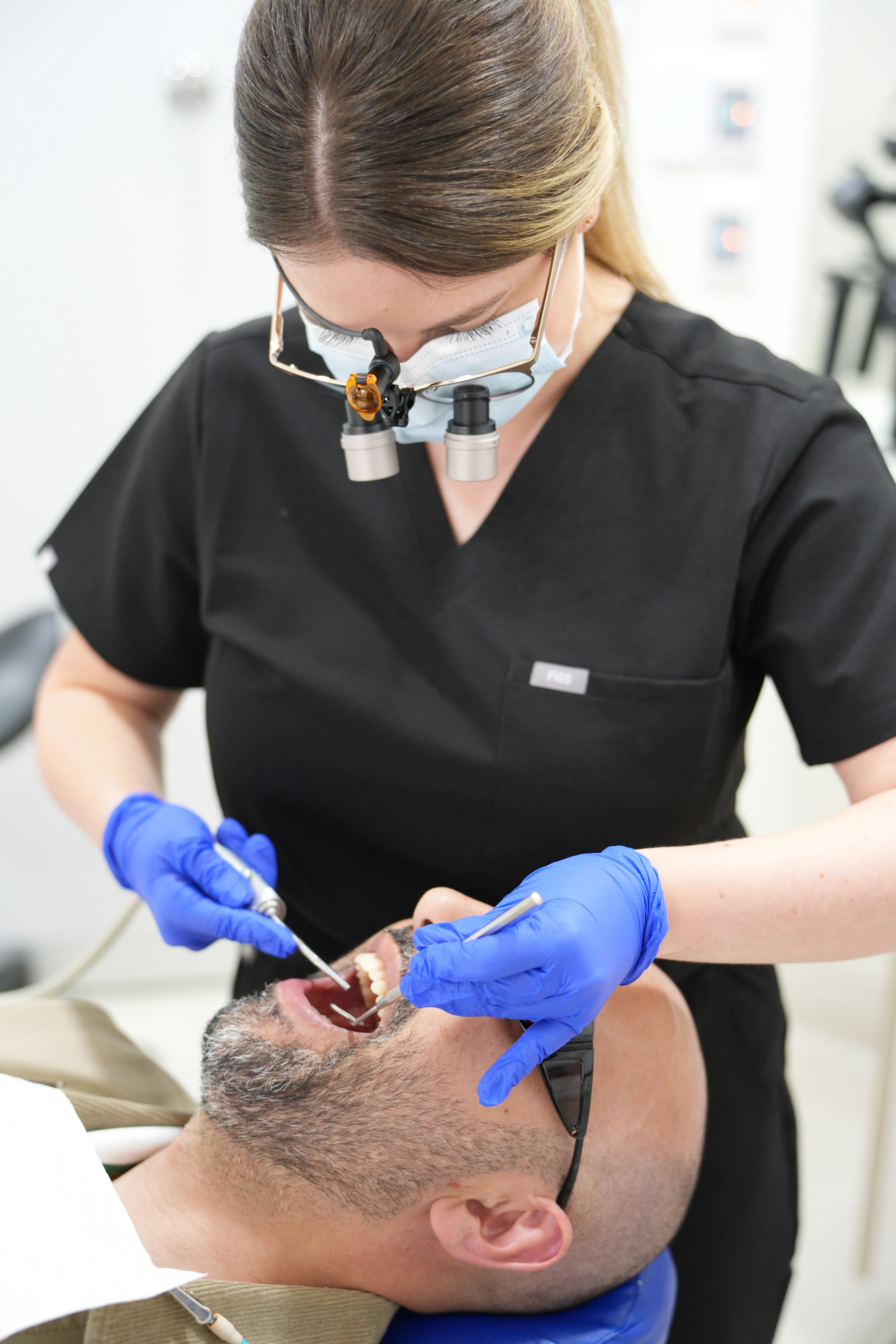
Dental professional using an instrument during a patient’s dental treatment.
Shaped on the day

The appointment, from chip to polish

You’ll know the area, the shade and the fee before any resin goes on. Small repairs are usually finished in a single visit, and most of that time goes on shaping and polishing.

  1. You point to the chip, edge or gap.

    Let us know whether it followed a knock or keeps breaking, and whether it’s the shape, the colour or an old filling that bothers you. If you’re uneasy about the appointment itself, say so, and we’ll talk you through each step before it happens.

  2. We look at the tooth and how you bite.

    We go through your medical and dental history and check the tooth, your gums and your bite, with X-rays only if they’re needed. The aim is to be sure resin isn’t about to cover decay or a crack.

  3. We agree the shade and the shape.

    Your dentist shows you which part of the tooth gets resin, how it will sit beside its neighbours and which shade you’re matching. Ask now what can be tweaked later and what can’t.

  4. The resin goes on and is polished.

    The resin is shaped onto the tooth, set hard and polished to sit in line with the teeth beside it. Before you leave, we check your bite against the new edge, and you’ll know when to ring if it chips or feels high.

After the appointment

How long will the bonding last?

Typically somewhere between 3 and 10 years. Composite resin can stain, chip or wear, and along the way it can need a polish, a repair or replacing. Where it sits, how hard you bite, grinding, and how much tea, coffee or red wine you drink all affect how long yours lasts.

Look after it the way you look after the rest of your teeth: brush, clean between them and keep up your check-ups. A bonded tooth can still decay, crack or turn sensitive, so don’t put off a new ache because the edge looks fine. Ring us if the resin turns rough, sharp or loose, or the old chip seems to be coming back.

How bonding looks, and how long it lasts, varies from person to person. If whitening is on your list too, sort out the order with us before a shade is picked.

Habits that chip resin

Clenching, grinding, nail biting, pen chewing and opening packets with your front teeth all put force on a bonded edge. Mention any of them, because they make chips more likely and can change whether resin is the right choice at all.

If a piece breaks off

Don’t glue it back or file the rough bit yourself. Ring us, and we’ll look at both the resin and the tooth underneath before suggesting a polish, a repair, a replacement or something different.

Dentist and patient discussing a dental model.
What you’ll pay

What bonding costs

The fee depends on how many teeth are involved, how big each repair is, where it sits and whether anything else needs doing first. You’ll know the cost before any resin goes on, and our payment options page explains ways to spread it.

Book an Appointment

Ten free minutes to ask first

Not sure yet whether resin could fix the chip? Our free 10-minute implant and cosmetic consultation is open to everyone, whether you’re new to us or have been coming for years. It’s a chance to ask about your goals and options: an information session rather than an examination, so it can’t confirm bonding will work on your tooth or give you a quote.

What your health fund might pay

We’re a preferred provider with Bupa, HCF and nib, and we accept claims from other private funds too. Cosmetic bonding isn’t automatically covered, though, and your rebate depends on your policy and the item number. Ask us for the likely fee and item numbers, then check with your fund before the treatment is booked.

Booking a bonding appointment

Book online or ring (08) 9407 7888. We’re at 1/6 Rothesay Heights, Mindarie WA 6030, open Monday to Thursday 8am to 6pm, Friday 8am to 5pm and Saturday 8am to 1pm, and closed on Sundays. Say which tooth it is when you book, and whether the chip is new.

Asked before bonding

Questions about dental bonding

The questions people bring to the chair, answered briefly. Your own answer still depends on the tooth, your bite and how the chip happened.

Not quite, though both can use the same composite resin. A filling replaces tooth lost to decay or a break. Bonding adds resin to part of a healthy tooth, to change a chip, edge, gap or shape you’d like different. We check the tooth first, so a cosmetic label never hides something that needs repairing.

No. How deep the chip goes, any crack behind it, how much tooth is left, pain and how hard you bite all matter. A fresh break, a sore tooth or a corner that keeps snapping off needs a proper look before cosmetic repair comes up. If it happened in an accident, bring the piece if you found it.

Bonding is resin shaped onto part of a tooth, usually in one visit. A porcelain veneer covers the whole front surface, is made to fit, and often means removing some enamel first. They differ in how much tooth they involve, how they age and the upkeep they need. We’ll put the smallest sensible change beside the bigger one so you can compare them properly.

It can. Resin picks up stain over time, and an edge you bite with takes knocks. The teeth beside it can also change colour while the resin doesn’t, which shifts the match. Keep it clean, go easy on the biting habits, and book in if it turns rough, sharp or loose.

Often, yes. A chipped or rough patch can be polished, repaired or replaced, and we look at the tooth underneath first to decide which. The right fix comes down to why it changed and how much healthy tooth is left. Please don’t file or glue it at home.

Usually, yes, if whitening is on your list at all. Resin holds the shade it was matched to, while whitening lightens the enamel around it, so whitening afterwards can leave the bonded edge darker than its neighbours. If you’re not sure yet, say so, and we’ll wait before choosing a shade.

It can change how an edge feels if resin goes where teeth touch, so we check your bite before you leave. If the tooth feels high, catches when you close or chewing feels odd in the days after, ring us. A review lets us check the resin against the tooth it meets.

Usually, for a small repair. Several teeth, a tooth that needs other work first or a tricky bite can mean more than one appointment. We’ll tell you before booking whether it’s likely to be one visit or more, along with the fee, so there are no surprises on the day.