Swelling with a source to find
An abscess usually starts inside a tooth or in the gum beside it. Which one it is decides the treatment, and a few other problems can look similar, so we check before we treat.

You’ve woken with a puffy cheek and a tooth that throbs with every heartbeat. Check one thing first: can you breathe and swallow normally? If not, call 000. If you can, ring us on (08) 9407 7888. An abscess needs a dentist soon, and we’ll tell you how soon.
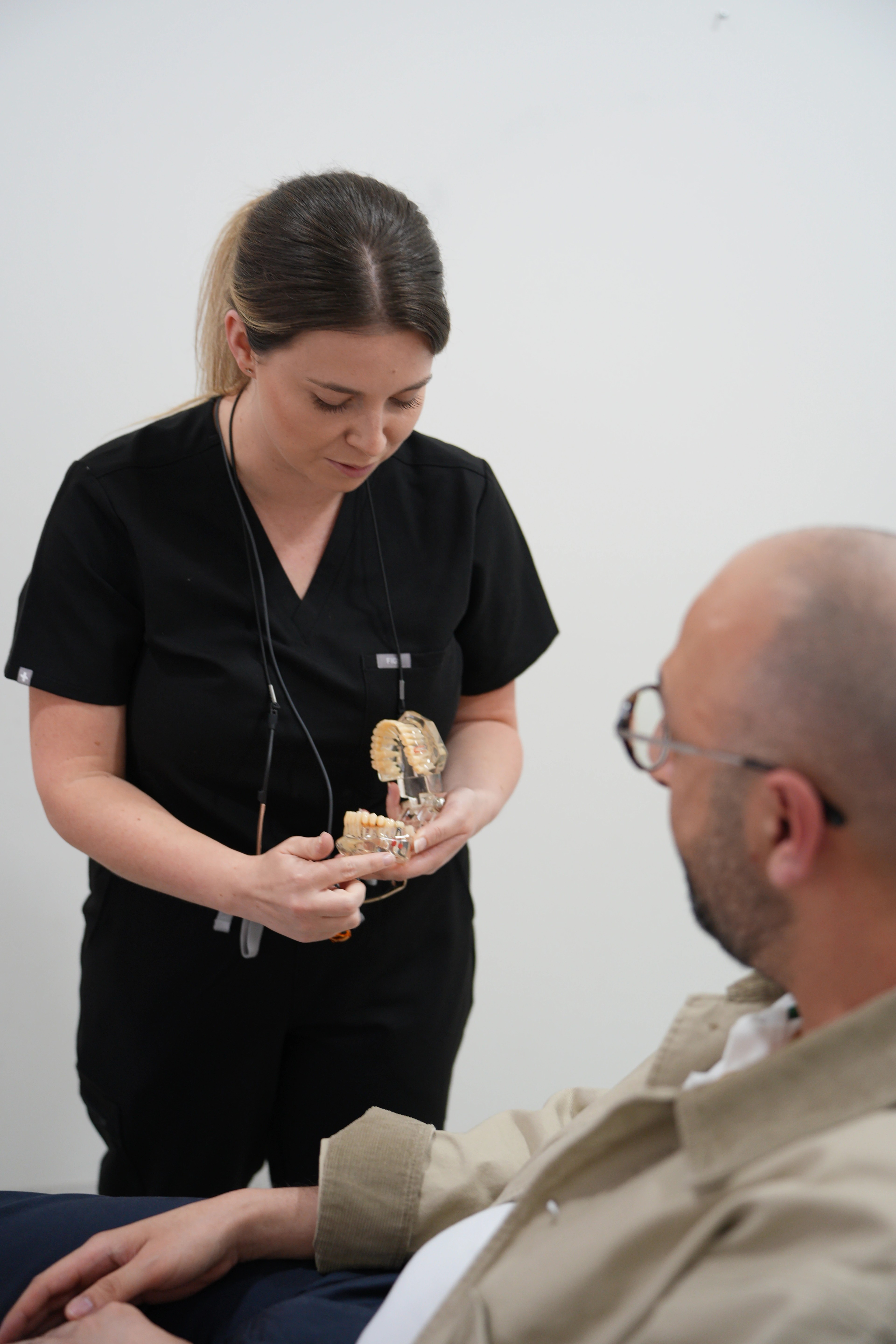
Most dental abscesses are ours to treat. A few need a hospital first, and where the swelling is, and how fast it’s moving, tells you which.
An abscess usually starts inside a tooth or in the gum beside it. Which one it is decides the treatment, and a few other problems can look similar, so we check before we treat.
Antibiotics have a place when an infection is spreading. They can’t reach the source in the tooth or gum, though, so that still needs treating, or the swelling usually returns.
Struggling to breathe, speak or swallow, swelling creeping towards your eye or down your neck, swelling with a fever, or feeling faint means 000 or the nearest emergency department before you ring us.
Where the swelling is and how quickly it’s changed tell us more than how much it hurts. Have a look in the mirror before you ring.
Around one tooth, along the gum, or out in the cheek, the jaw, under the eye or down the neck? Mention if it’s changing the shape of your face.
We go after the source. That might mean draining the infection, root canal treatment, gum treatment or taking the tooth out, sometimes with antibiotics alongside.
If the nerve or root is infected and the tooth can be repaired, root canal treatment cleans the infection out from inside. If it can’t reasonably be kept, removing it is the other option, and your dentist will show you why.
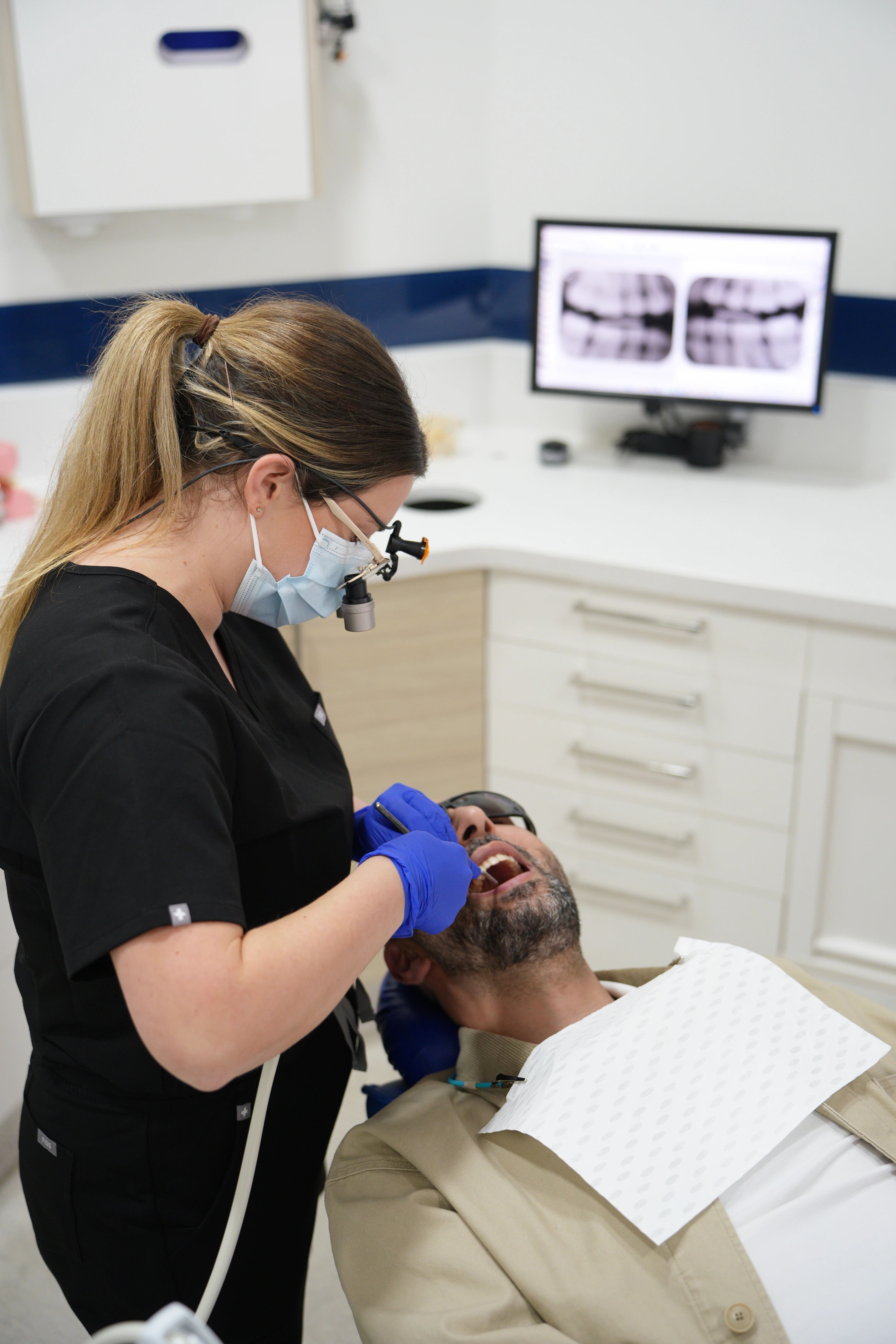
We check you’re safe first, then look for the source. You’ll see Dr Shams, Dr Tricoli or Dr Sheppard, who will numb the area before draining or treating anything.
Where the swelling is, when it started, any fever or bad taste, and whether breathing, swallowing or opening your mouth has got harder.
Your dentist feels for swelling and tenderness, looks for pus, and checks how far the infection seems to have spread.
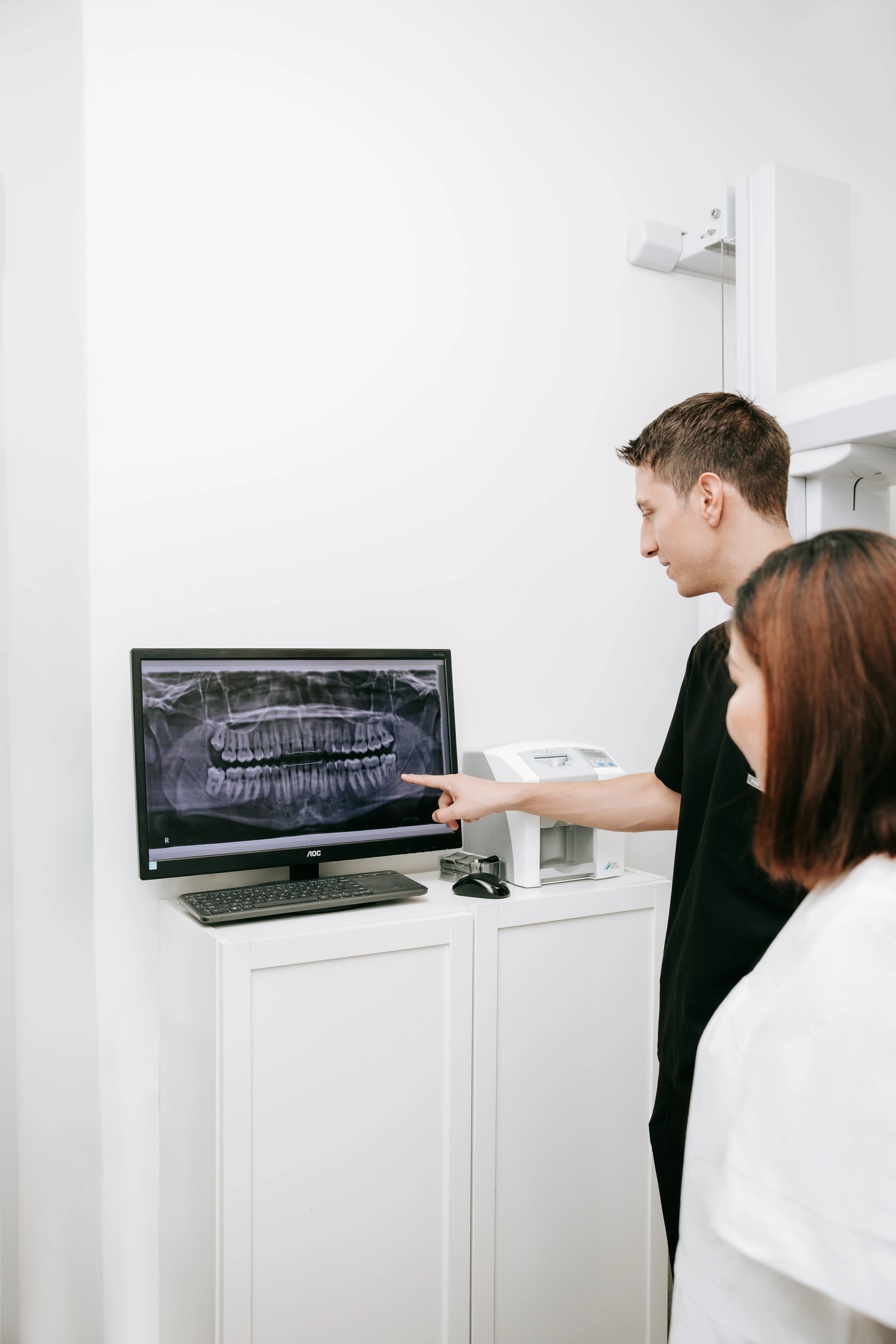
A digital X-ray usually shows which tooth, root or patch of bone is involved. Your dentist says what they’re looking for before taking it.
That can be draining the infection, starting root canal treatment, treating the gum or taking the tooth out. If you need antibiotics or a hospital referral, we’ll explain why.
Pain can ease while the infection carries on, so the swelling is the better guide. Note where it is and how big it looks, morning and night.
Hold a cold pack wrapped in a cloth on the outside of your cheek, 20 minutes on and 20 minutes off, and sleep propped up on an extra pillow. Don’t squeeze or pierce the swelling, however tempting it is.
After treatment, follow the instructions for the tooth or gum we treated, and take any medicine exactly as it was prescribed for you. Ring us if the swelling spreads, a fever starts, pus keeps coming or you feel worse.
If anything on the 000 list starts or gets worse, go to hospital first. For anything short of that, ring (08) 9407 7888.
If your dentist prescribes antibiotics, the tooth or gum causing the infection still needs treatment. Ask what the medicine is for, what the next step is, and which changes mean you should come straight back.
With swelling, ring before booking online. We’ll ask where it is, how fast it’s changed and how you feel, then find you a time. Anything on the 000 list goes to hospital first.
Call (08) 9407 7888Book onlineCall (08) 9407 7888 if you have facial swelling, a fever, pus or pain that’s getting worse. We offer same-day assessment for dental pain, so ring as early as you can. Use Book an Appointment only for a mild, settled problem, or once we’ve suggested it.
Draining an abscess, root canal treatment and taking a tooth out cost different amounts, so your dentist gives you the likely fees once they’ve found the source. We accept private health fund claims, and your rebate comes down to your policy.
Our hours are Monday to Thursday 8am–6pm, Friday 8am–5pm and Saturday 8am–1pm. When we’re closed, call (08) 9407 7888 for guidance. healthdirect answers health questions at any hour on 1800 022 222.
Bring a list of your medicines, allergies and health conditions, and mention any antibiotics you’ve had recently. New patients fill in a short medical, dental and health fund form. Book online for a mild, settled problem.
An abscess usually traces back to a tooth’s nerve, gum disease or a tooth that can’t be kept. These pages pick up from there.

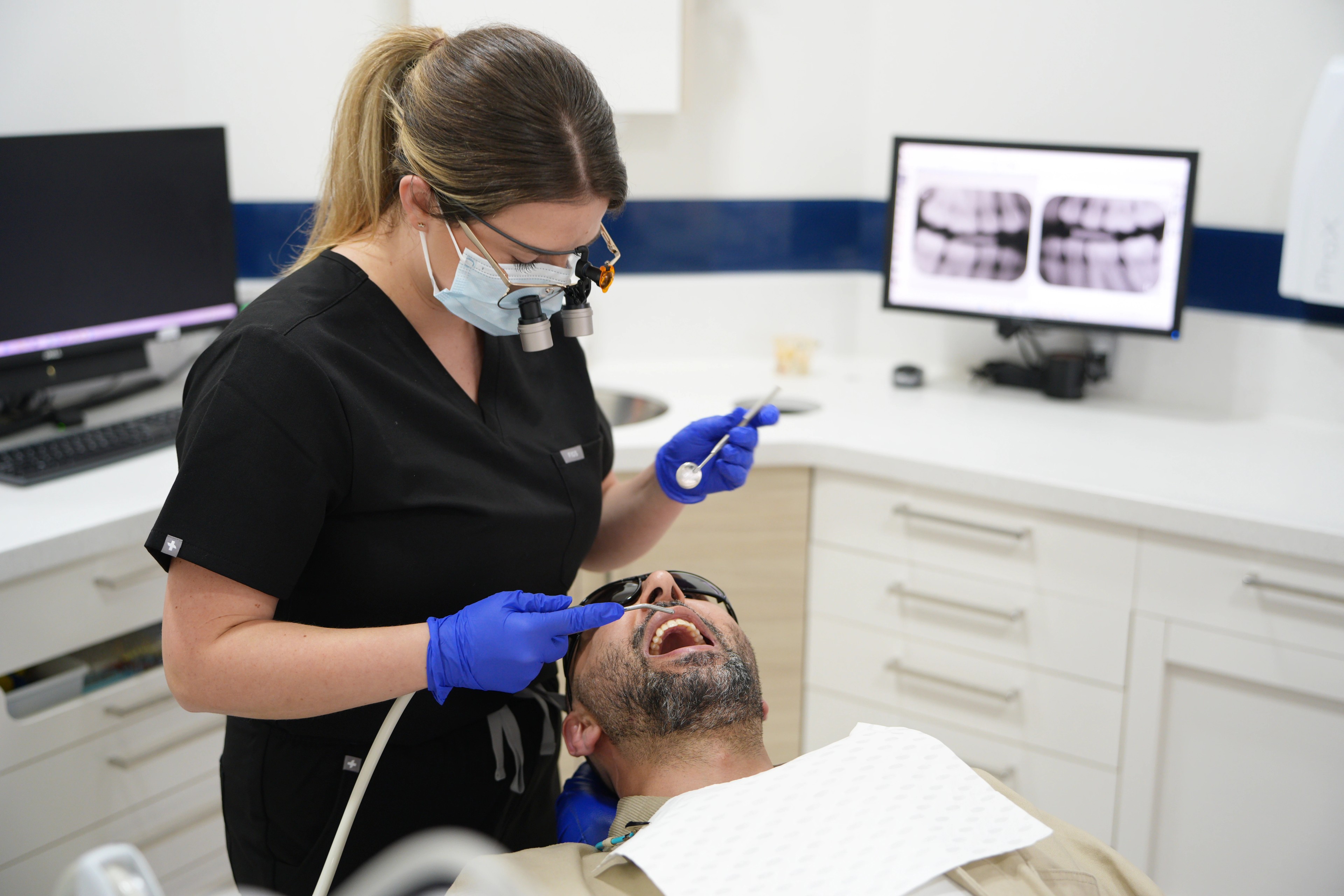


When your face is swollen, every question feels urgent. These are the ones we’re asked most, starting with how an abscess usually feels.
Usually a deep throb in a tooth or gum, swelling, tenderness when you bite, a bad taste, or a pimple on the gum that leaks. Some people get a fever. Other problems can feel similar, so we check before treating. If that sounds like yours, ring us.
Not usually. The pain can ease, or the abscess can burst and drain, while the infection carries on at the source. Feeling better isn’t a sign it’s gone, so ring us even on a good day.
When you’re struggling to breathe, speak or swallow, the swelling is spreading fast or towards your eye or neck, you faint, or you feel seriously unwell. Those need medical care first. For swelling without them, ring us and describe how quickly it’s changed.
No. Many abscesses are treated by dealing with the source alone. Your dentist decides whether antibiotics are needed, based on the infection and your health. Leftover or borrowed tablets aren’t a safe substitute, so please don’t take them.
Because antibiotics can calm the infection but can’t remove what’s causing it. The tooth or gum problem is still there, so the infection tends to come back. That’s why your dentist still talks about draining it, root canal treatment, gum treatment or removal.
We ask how it started, then check your teeth, gums, face and bite, and tap gently on the likely tooth. A digital X-ray often shows an infected root or bone loss that can’t be seen by looking. Mention where the swelling began and any treatment you’ve already had.
Either is possible. If the infected tooth can be repaired, root canal treatment can keep it. If too little is left, taking it out is the other option. An infection that starts in the gum needs a different plan again. You’ll hear what we found before you agree to anything.
Ring us first, and say where the swelling is, how it’s changed and whether you have a fever or a bad taste. Until you’re seen, a wrapped cold pack on your cheek and an extra pillow at night help. Don’t put garlic, clove or anything else on the gum. If anything on the 000 list applies, go to hospital first.
It comes down to the source and the fix. There’s the examination and X-ray, then draining, root canal treatment, gum care or removal, plus any follow-up. Your dentist gives you the likely fees before anything starts, and our payment options page explains ways to spread a bigger bill.