Your dentist checks for decay and gum problems before any cosmetic talk, so nothing is built on a tooth that needs fixing.
Whitening, bonding, veneers and more
Cosmetic Dentistry in Mindarie
You chipped a front tooth at netball in Year 9, and for years you’ve forgotten about it, until someone glances at it mid-conversation. Wanting to change something like that isn’t vain, and it’s one of the things people ask us about most. We check your teeth and gums first, then go through whitening, bonding, veneers or a staged plan, and what each would cost.
Our infection control, safety and care are checked independently under the QIP program.
Dr Michael Shams has led the clinic at Rothesay Heights, Mindarie, since 2011.
What’s bothering you
What you see, and what’s behind it
A yellow tinge, a chipped front edge, a gap that’s slowly widened, an old filling that shows when you laugh. Whatever it is, point to it when you come in. That’s a fine place to start.
Then we look properly. Healthy teeth with surface stain might only need a clean or whitening. A tooth that’s cracked, worn or heavily filled usually needs repairing first. If the honest answer is to leave it alone, we’ll say that too.
Cosmetic options
What each option actually changes
Whitening changes colour. Bonding adds a little tooth-coloured resin. Veneers cover the whole front of a tooth. They aren’t interchangeable, so here’s what each one does and doesn’t do.
Teeth whitening
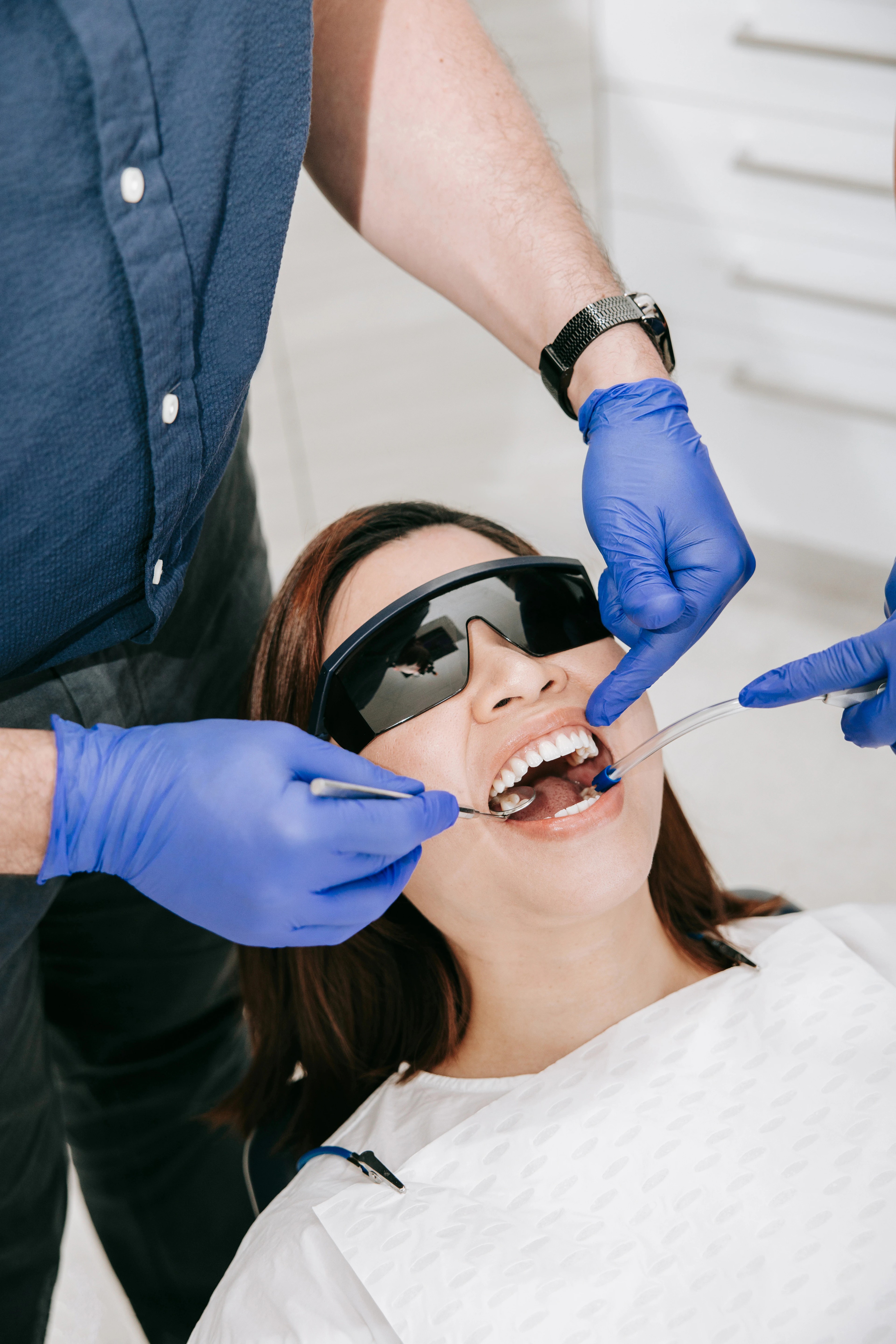
Lightens natural teeth that have yellowed or stained. Fillings and crowns keep their colour, so we point those out before you start.

Take-home whitening kits
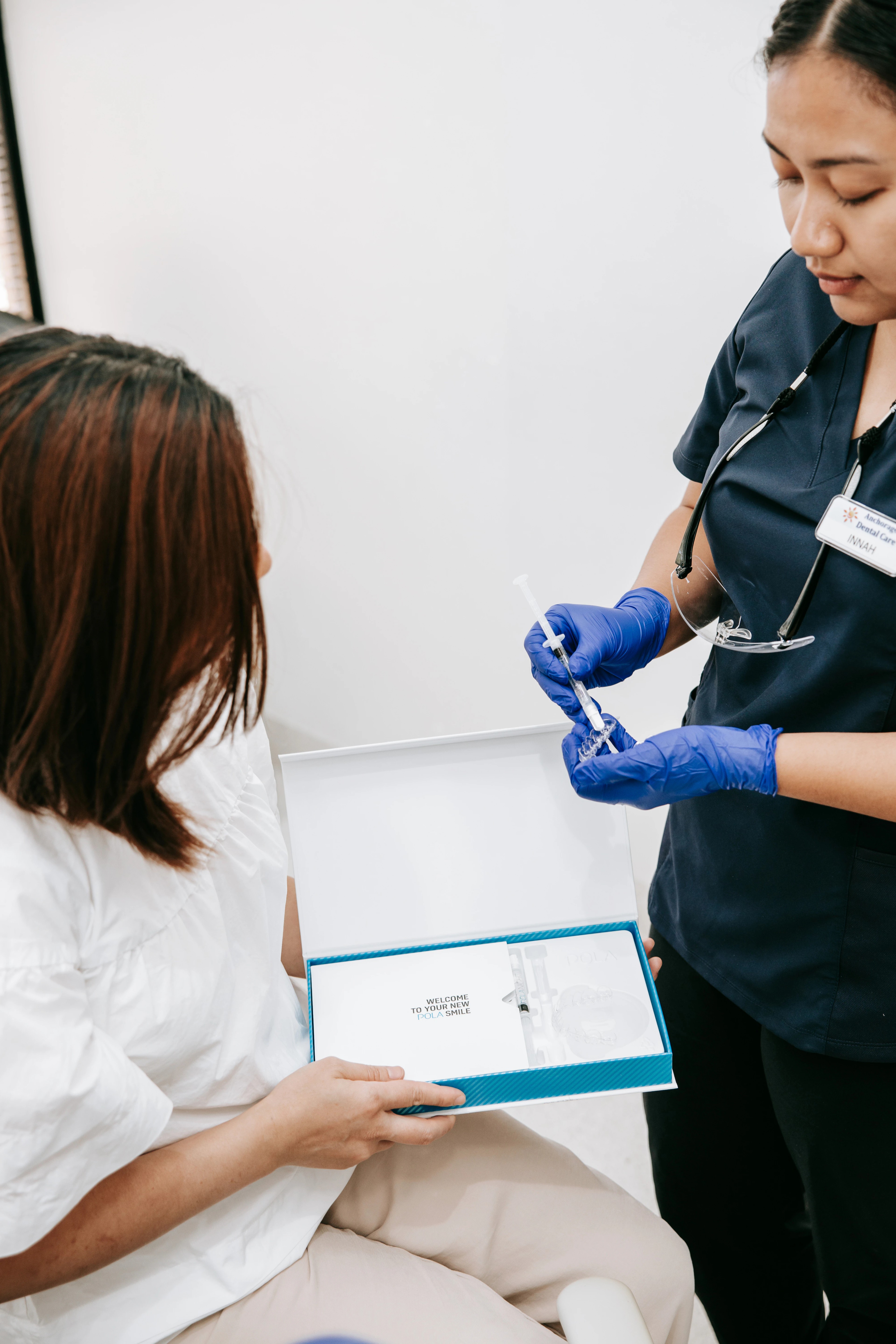
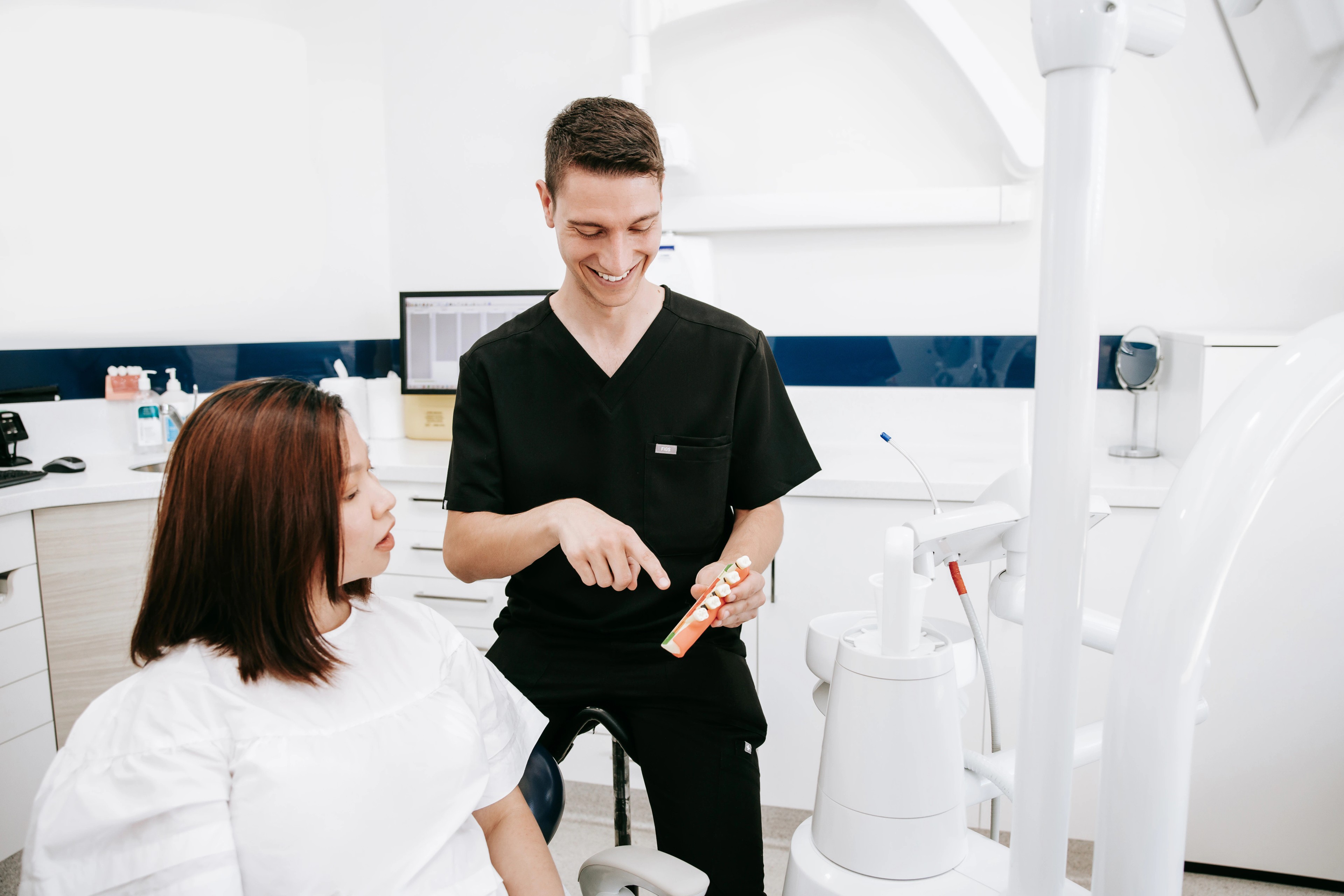
A POLA kit you use at home, usually about 20 minutes a day for one to two weeks, with an occasional top-up afterwards. Ring us if sensitivity builds.
Porcelain veneers
Thin porcelain covers bonded to the front teeth. Fitting them usually means removing some enamel, which can’t be put back, so we go through the risks and alternatives first.
Smile makeovers
For when several things bother you at once. We separate health from looks, then stage the work so each step is its own decision.
Dental bonding
Tooth-coloured resin shaped over a chip, a rough edge or a small gap. Usually one visit, and it typically lasts 3–10 years.
Dental contouring
Polishing a pointed or uneven edge smooth. It takes off a little enamel for good, so we check why the edge changed and compare bonding first.
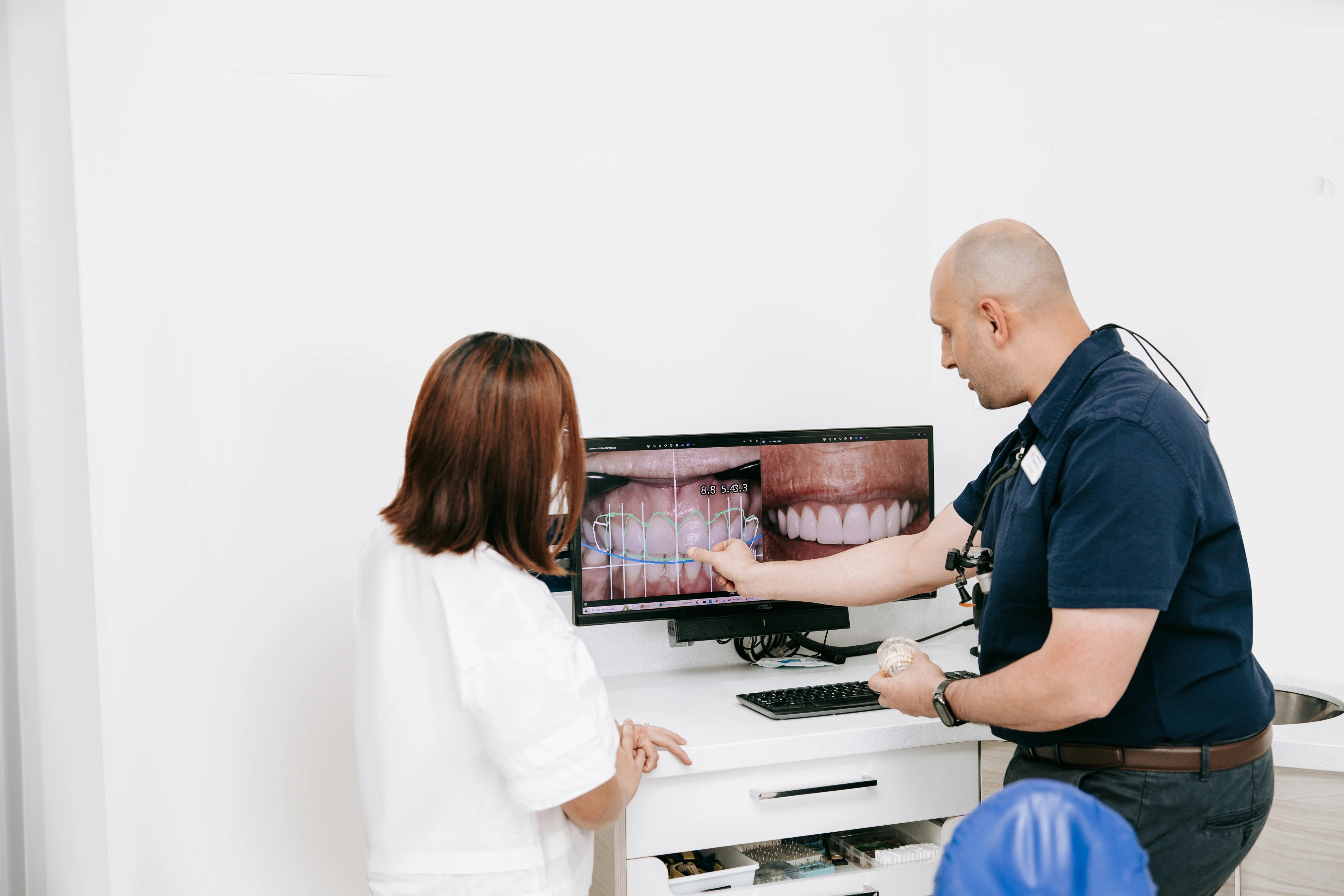
Digital Smile Design
A digital preview of possible changes. It’s a rough guide to talk around, not a promise of how your teeth will end up.
Your cosmetic visit
What happens at your first cosmetic visit
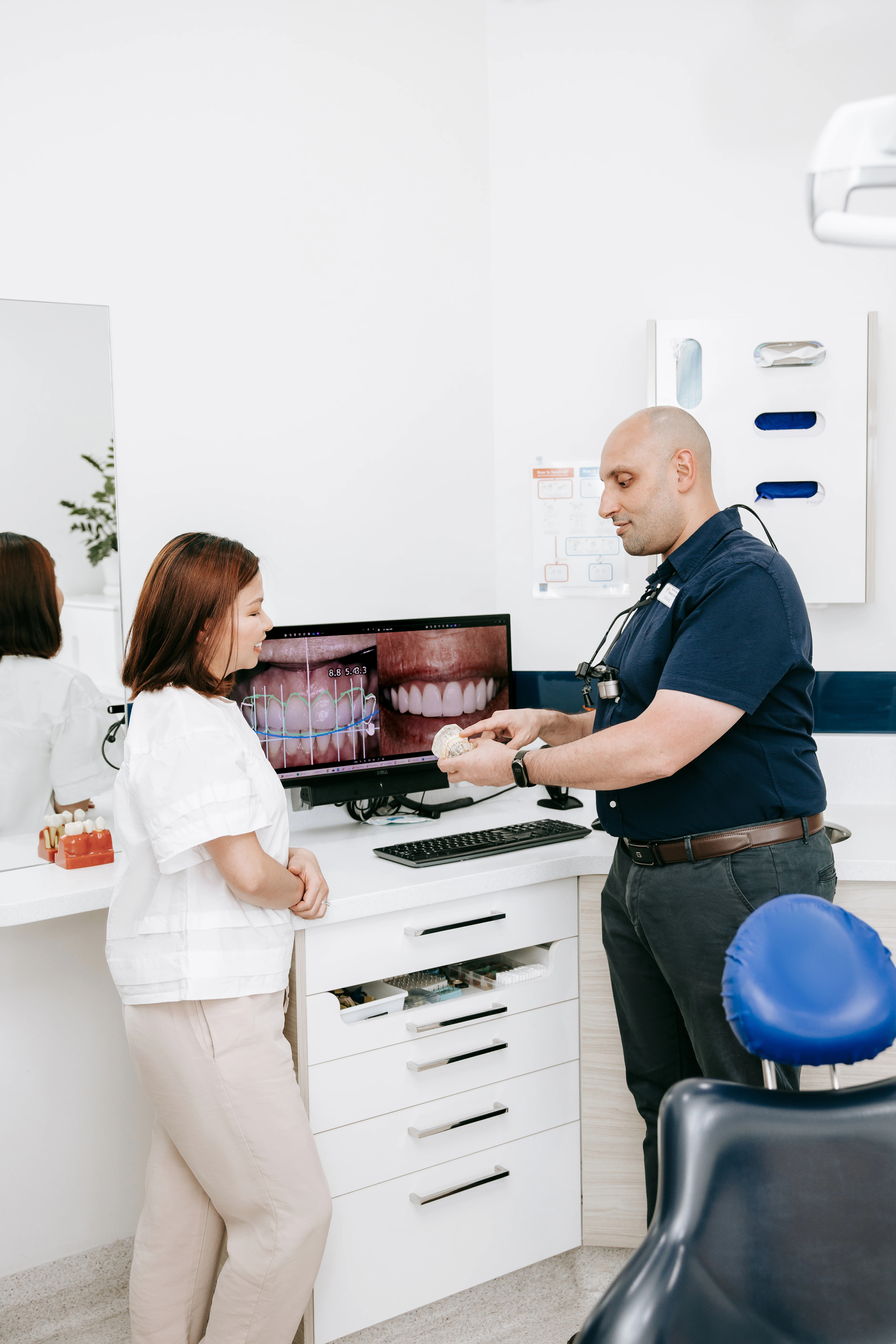
It comes in three parts: you show us what bothers you, we check the health underneath, then we lay the options and costs side by side.

Your say first
What you’d change
Point to the tooth or the part of your smile, and say how big a change you’re after. Small and subtle is a fine answer.Cosmetic dentistry planning
What cosmetic work costs, and why it varies so much
A shade change with a take-home kit costs far less than six veneers, so there’s no single price for cosmetic work. Once we’ve looked at your teeth, you’ll get the figures for each option you’re weighing up.
Book an Appointment
Figures come after the check
Your dentist prices each option once they’ve seen your teeth, gums and bite. Anything quoted before that would be a guess, and we’d rather not guess with your money.
Health funds and payment plans
We’re preferred providers for Bupa, HCF and nib, and accept claims from HBF and other funds. Cosmetic cover depends on your policy. Zip and in-house plans can spread the cost, each on its own terms.
What your cosmetic quote should show
Each tooth, the treatment planned for it, the item numbers your fund uses and when each payment falls due. If the work runs over several visits, you’ll see the order, so you can go one stage at a time.
Health check first
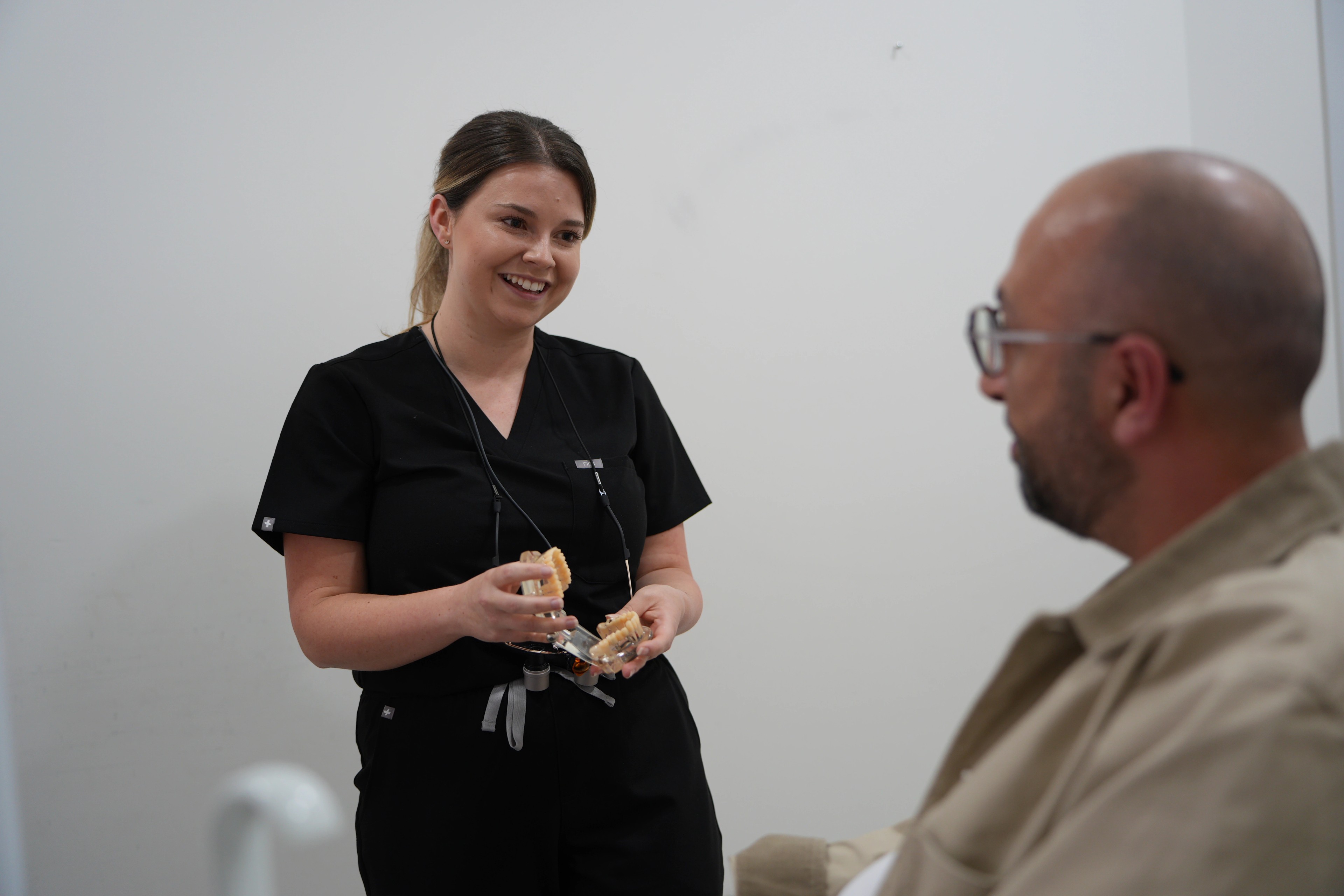
Any decay or gum disease is treated before whitening, bonding or veneers. You’ll hear what that involves and what it costs.
- Bring along X-rays or treatment plans from a previous dentist, if you have them.
- We’ll tell you how many visits each option needs, and where you’d start.
Dental Professionals
The dentists who’ll look at your smile
Dr Michael Shams has been practising since 2002. He holds a Postgraduate Diploma in Advanced Aesthetic and Restorative Dentistry (UK, 2023) and is certified in dental veneer procedures. For the check-up before any cosmetic work, you can see any of our dentists.
Principal Dentist
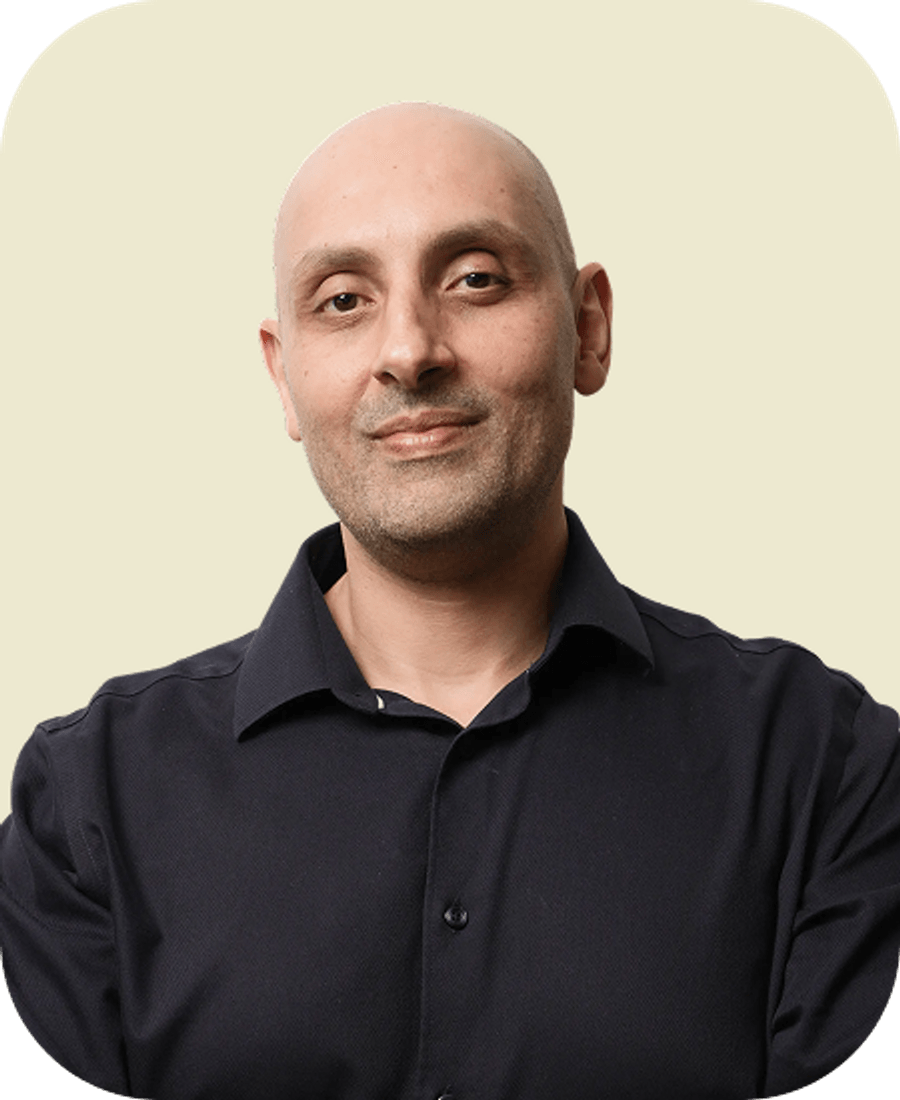
Dr Michael Shams
AHPRA Reg. DEN0001580551
Graduated from UWA in 2002 and has led Anchorage since 2011. Enjoys the bigger restorative and cosmetic work, from veneers to restoring implants.
General Dentist
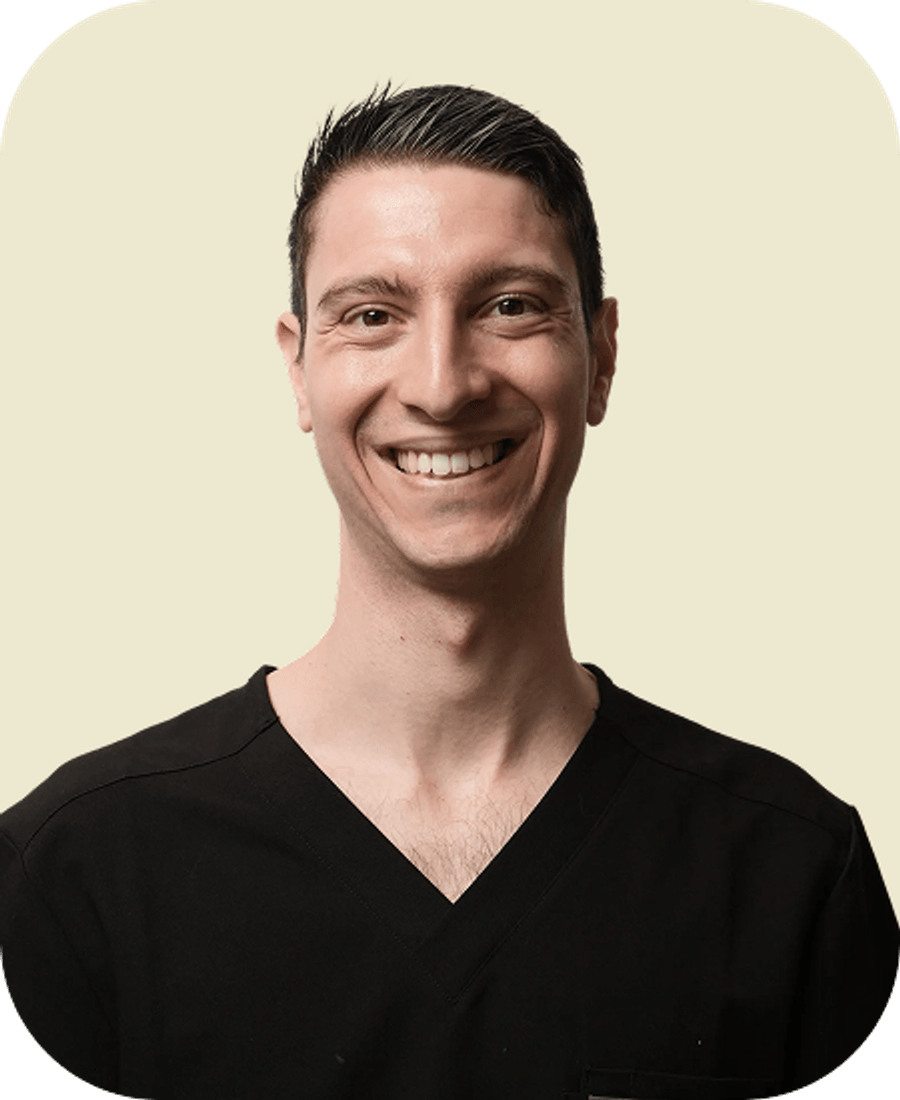
Dr Charles Tricoli
AHPRA Reg. DEN0002559634
Trained at UWA, graduating in 2021. His focus is preventive and restorative care: catching problems early and fixing them simply.
General Dentist
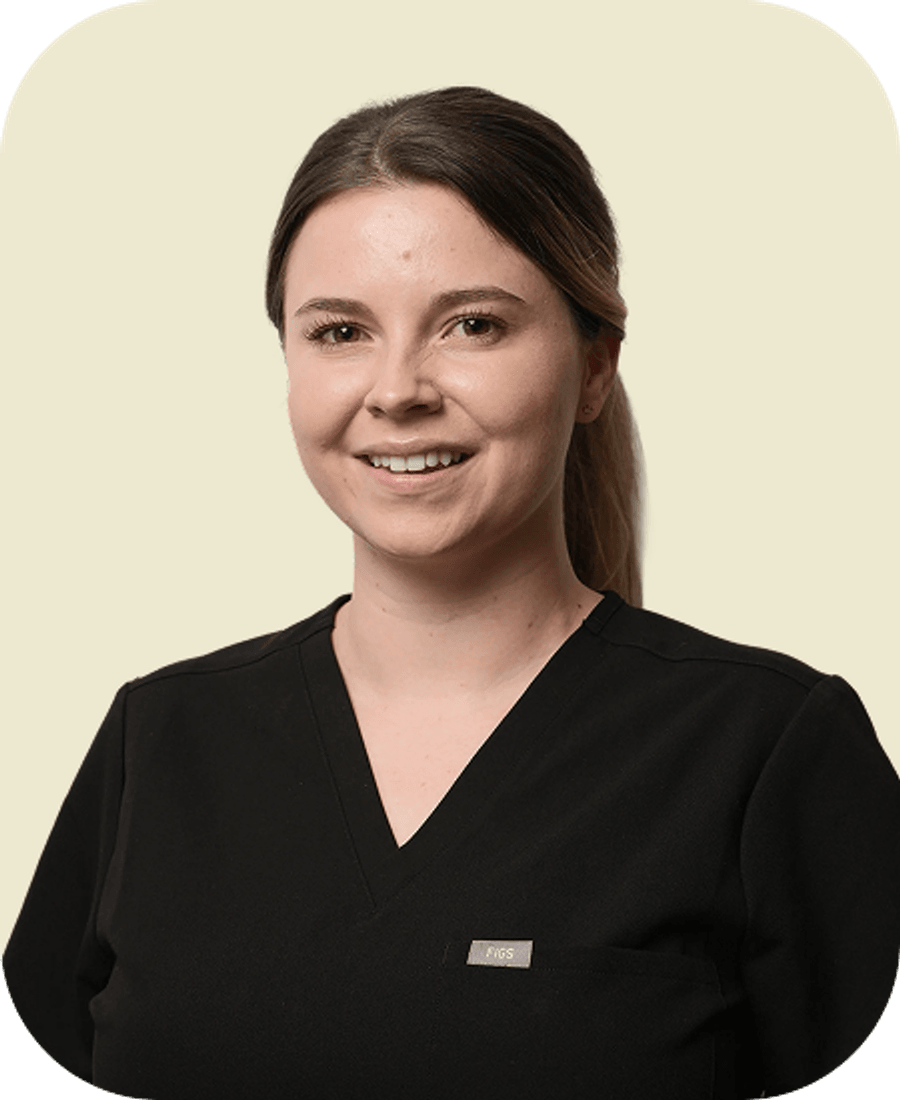
Dr Maddi Sheppard
AHPRA Reg. DEN0002871674
Trained at the University of Sheffield and moved to Perth in 2024. Has a soft spot for children, nervous patients, and anyone who wants to talk about their pets.
Before cosmetic work
When the fix isn’t cosmetic
A crooked tooth might need straightening, a cracked one a crown, and bleeding gums a proper clean. If that’s what we find, we’ll say so, and it comes first.
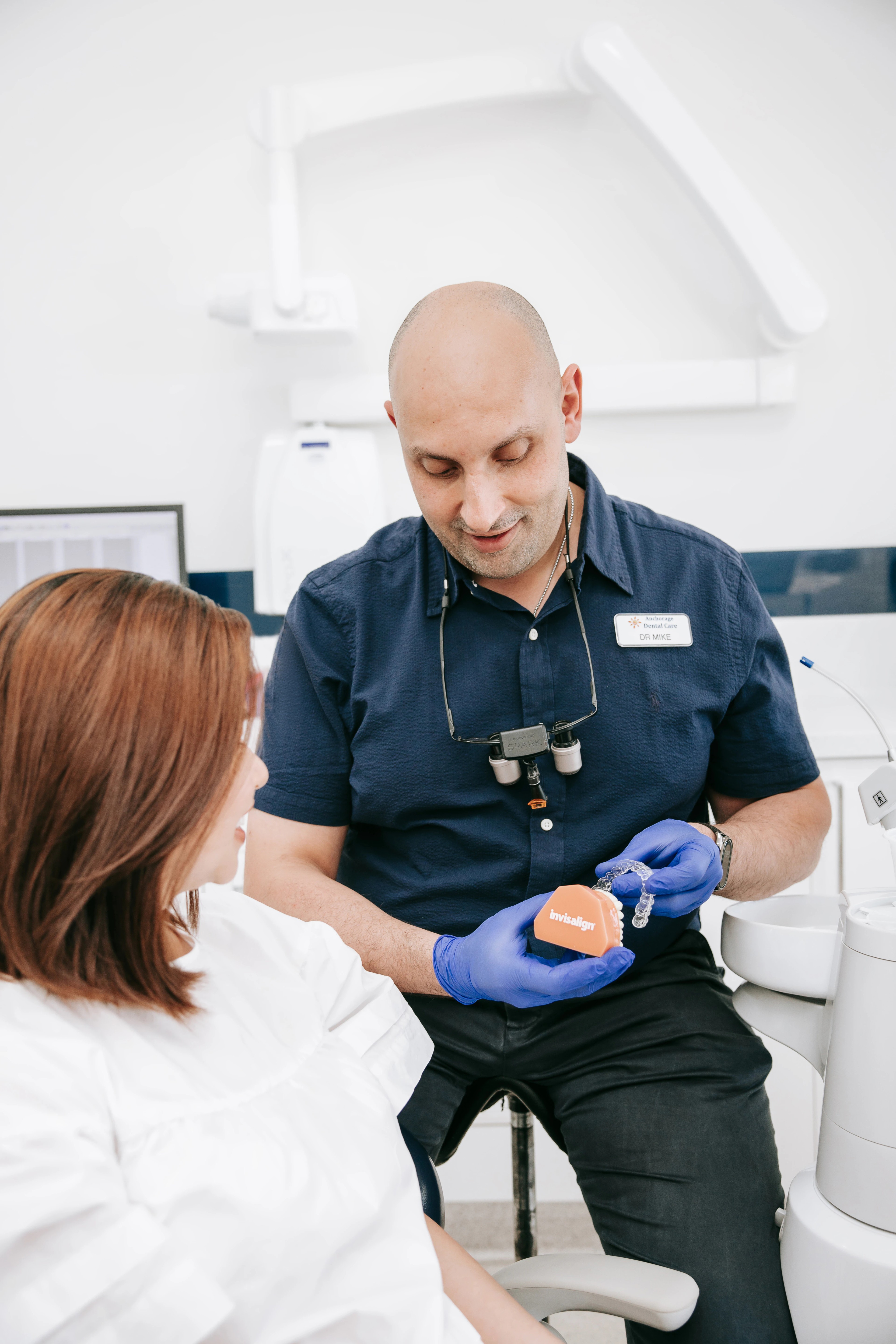
Orthodontics
If the problem is where a tooth sits rather than its colour, clear aligners can move it instead of covering it.
See straightening options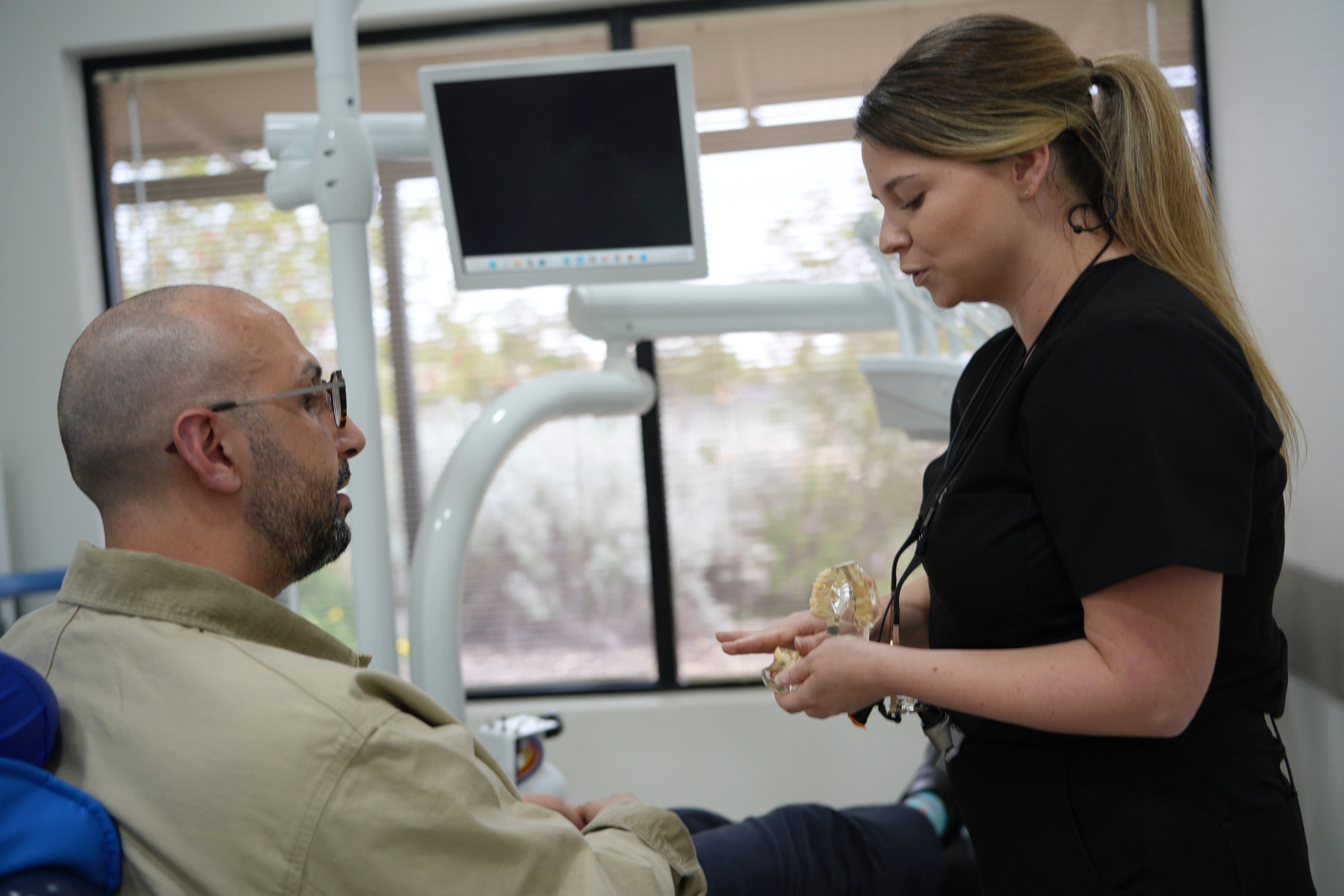
Restorative dentistry
A weak, heavily filled or missing tooth usually needs a crown, bridge, denture or implant before anything cosmetic.
See restorative care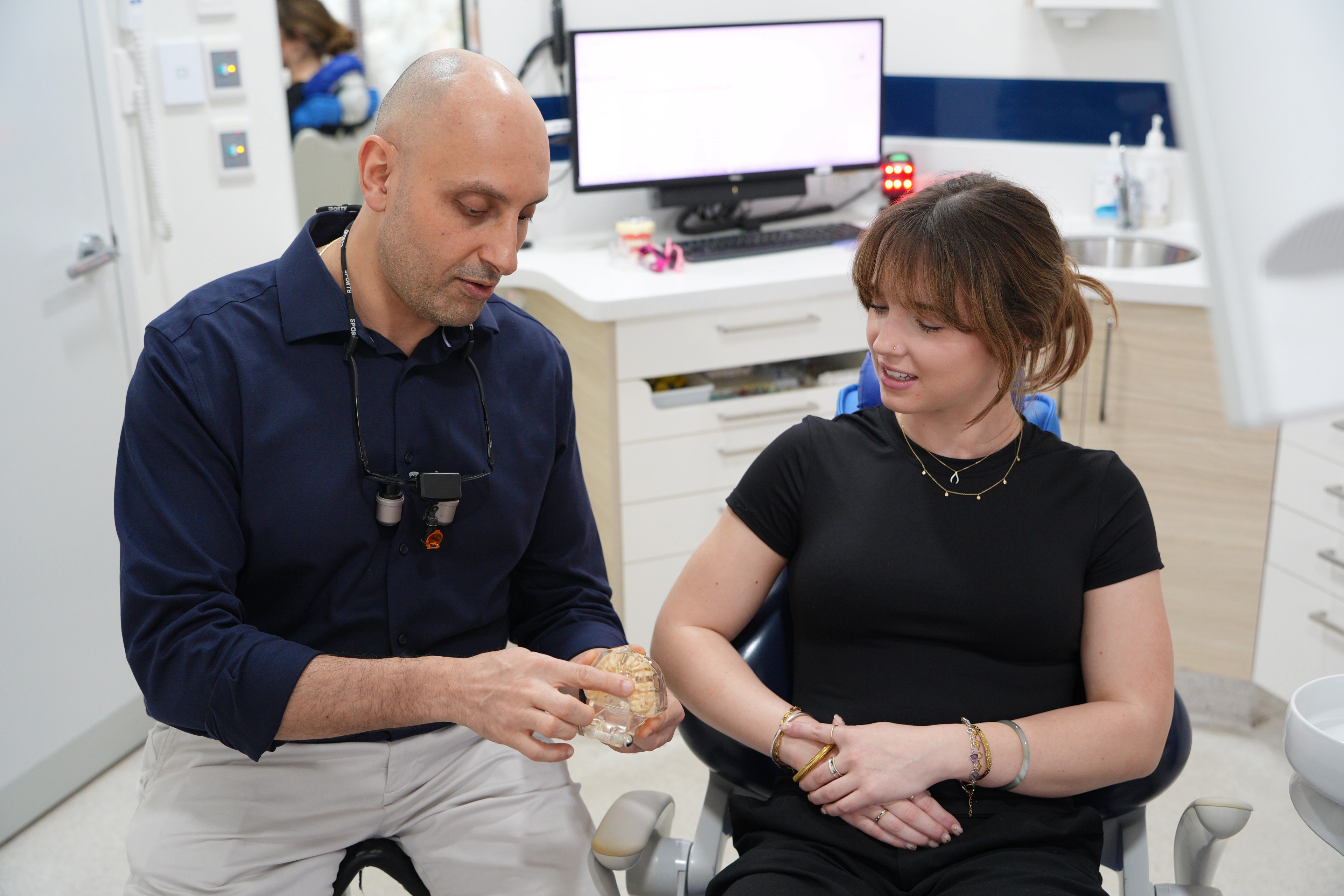
General dentistry
A check-up and clean, gum care or a filling is often the real first step.
See general dentistryCosmetic questions

Questions about cosmetic dentistry
The things people tend to ask us a bit quietly, from whether it’s silly to care to which option comes first and what it’s likely to cost.
No. Wanting to like your own smile is an ordinary thing to want, and it’s reason enough to ask.
Our part is making sure the teeth underneath are healthy first, then being honest about what’s worth changing. Sometimes the answer is a clean and one small fix, not a big plan.
If you’d like to start gently, book a check-up and mention the thing that bothers you. Asking about it doesn’t commit you to any treatment.
Say what you’ve noticed, in plain words: a yellow tinge, a chipped edge, a gap, uneven lengths, worn teeth or an old filling that shows. If anything hurts, feels sensitive or has changed lately, mention that too, because it needs a check before any cosmetic work.
The same look can have quite different causes. Surface stain, a tooth that darkened after a knock, wear from grinding and a hairline crack all need different answers, which is why we look at your teeth, gums, bite and existing work before we talk about appearance.
It also helps to say which tooth or area bothers you most. Ring (08) 9407 7888 or book online, and we’ll set aside the right length of appointment.
They change different things. Whitening lightens colour, and only on natural teeth. Bonding adds tooth-coloured resin to a chip or gap, usually in one visit. Contouring polishes away a little enamel to even out an edge. Veneers cover the whole front of a tooth, and fitting them usually means removing some enamel first, which can’t be undone.
Which one makes sense comes down to your gums, any sensitivity, where the tooth sits, the fillings or crowns already there and how much healthy tooth is left. If position or bite is the real problem, moving the teeth with clear aligners can make more sense than adding anything to them.
We’ll tell you what each option can’t do, as well as what it can. A smaller change often gets you most of the way. Bonding typically lasts 3–10 years; we’ll explain how veneers compare for your teeth.
Yes. Digital Smile Design gives you a rough preview of possible changes to colour, shape or spacing. Pointing at a picture and saying “a bit less there” is often easier than finding the words.
What’s actually possible still comes down to your teeth, gums, bite and existing fillings, so we check those as well. Some changes in a preview won’t suit your mouth, and we’ll tell you which ones.
At the planning visit, we’ll go through which parts of the preview are realistic, what needs fixing first and whether a smaller change would give you most of the effect.
Sometimes part of it, often not much. Cosmetic items aren’t automatically covered, and what you get back depends on your policy, your annual limits and the item numbers involved. We’re preferred providers with Bupa, HCF and nib, and we accept claims from HBF and other funds.
Once we’ve checked your teeth, we can give you the item numbers for the work we’re suggesting, so your fund can tell you exactly what it would pay. If you’d like to claim, have your fund card with you, and before any work begins we’ll check whether it can go through then.
If the gap is more than you’d planned for, our payment options page covers Zip, Fund My Dental and in-house plans. Each has its own fees, charges and terms.
It’s a free 10-minute information session about dental implant or cosmetic options and what you’d like to change. It’s available to all patients, new or existing. It isn’t an examination, so it can’t give you a treatment plan or a quote.
For a real recommendation, your dentist needs to examine your teeth and gums, check your bite, look at existing fillings or crowns and take X-rays if they’re needed. The cost then depends on how many teeth are involved, the materials, the number of visits and any health care needed first.
Mention the free 10-minute consultation when you book, so we set the right time aside. If you then want a proper plan, we’ll book an examination and give you the figures before any treatment starts.
Not without a check first. Your dentist looks at your teeth, gums, fillings and any sensitivity, because whitening can make sensitivity worse and won’t lighten dental work. Untreated decay, or one tooth that’s darker than the rest, gets looked at before anything else.
Once your teeth are ready, we supply a POLA kit and show you how to use it. Most people wear it for about 20 minutes a day over one to two weeks, then top up now and then.
If your teeth or gums start to sting, stop and ring us rather than changing the routine yourself. We’ll tell you whether to pause, adjust or come in.
Often, yes, if the edge is small and the tooth is healthy. Your dentist polishes away a little enamel to even it out. First we check why the edge changed, because a chip, grinding, decay, a crack or a tooth that’s moved each need a different answer.
Enamel doesn’t grow back, so it’s worth comparing bonding, a repair, straightening or simply leaving the edge alone before you decide.
Let us know when you first noticed it and whether it’s sore or sensitive. Before you agree, we’ll show you exactly how much enamel would come off and what the alternatives look like.