Health comes before looks
Decay, gum problems, infection or a cracked tooth get looked after ahead of anything cosmetic. We’ll say which is urgent, which needs settling first, and which you can book in when it suits you.

“I don’t want the lot. I just don’t know where to start.” That’s often how it comes out when a grey front filling, a few edges worn down from grinding and a tooth that’s drifted since their twenties all bother them at once. We take it in order: health, then how your teeth bite, then looks. Each stage is yours to say yes or no to.
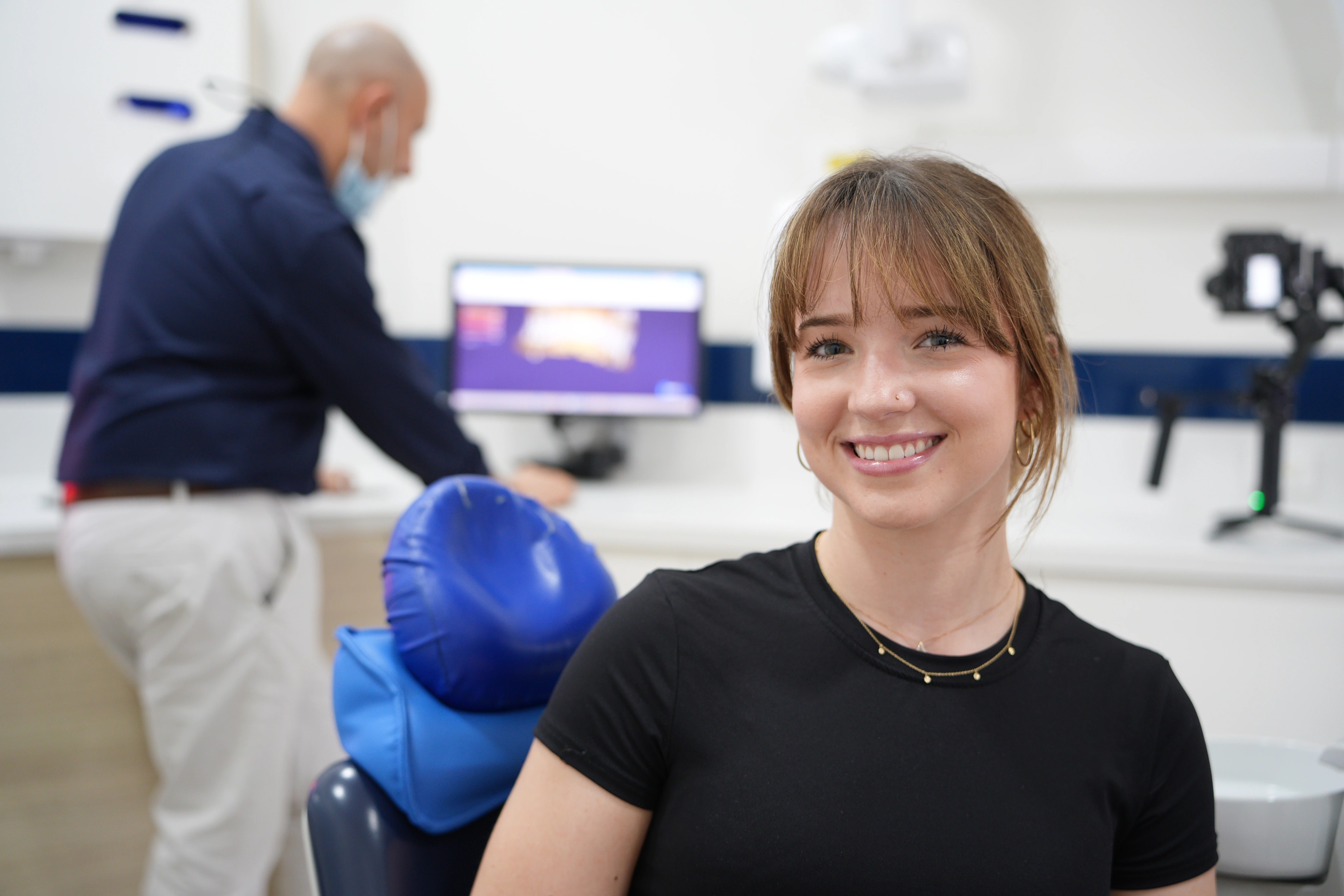
A smile plan has to sit on healthy teeth and a bite that works. Your dentist examines your teeth, gums, jaw, bite and existing dental work, then sorts what you’ve noticed into three piles: health needs, function, and changes that are purely your choice.
Decay, gum problems, infection or a cracked tooth get looked after ahead of anything cosmetic. We’ll say which is urgent, which needs settling first, and which you can book in when it suits you.
We look at how your teeth meet, where they’ve worn and whether old fillings or crowns limit what’s possible. New work that ignores your bite is more likely to chip.
Start with what you notice first, what you’d like to keep and what you’re unsure about. A staged plan can begin with one priority instead of bundling every difference into a single course of treatment.
Put it however you like when you book: a dark tooth, worn edges, crowding, a gap, or a filling that’s stopped blending in. Each has its own cause, and your dentist links each one to the right conversation.
Surface stain, natural tooth colour, one dark tooth and an old filling are four separate questions. Teeth whitening can lighten natural enamel, but crowns, veneers, fillings and bonding keep their colour.
We don’t sell makeover packages. Health care comes first, then function, then the changes you’d choose for looks, and at each step we’ll compare a smaller option, a staged one and doing nothing.
If we find decay, gum disease, infection or damage, that’s treated before anything cosmetic. The order comes from what’s in your mouth, not from a package.
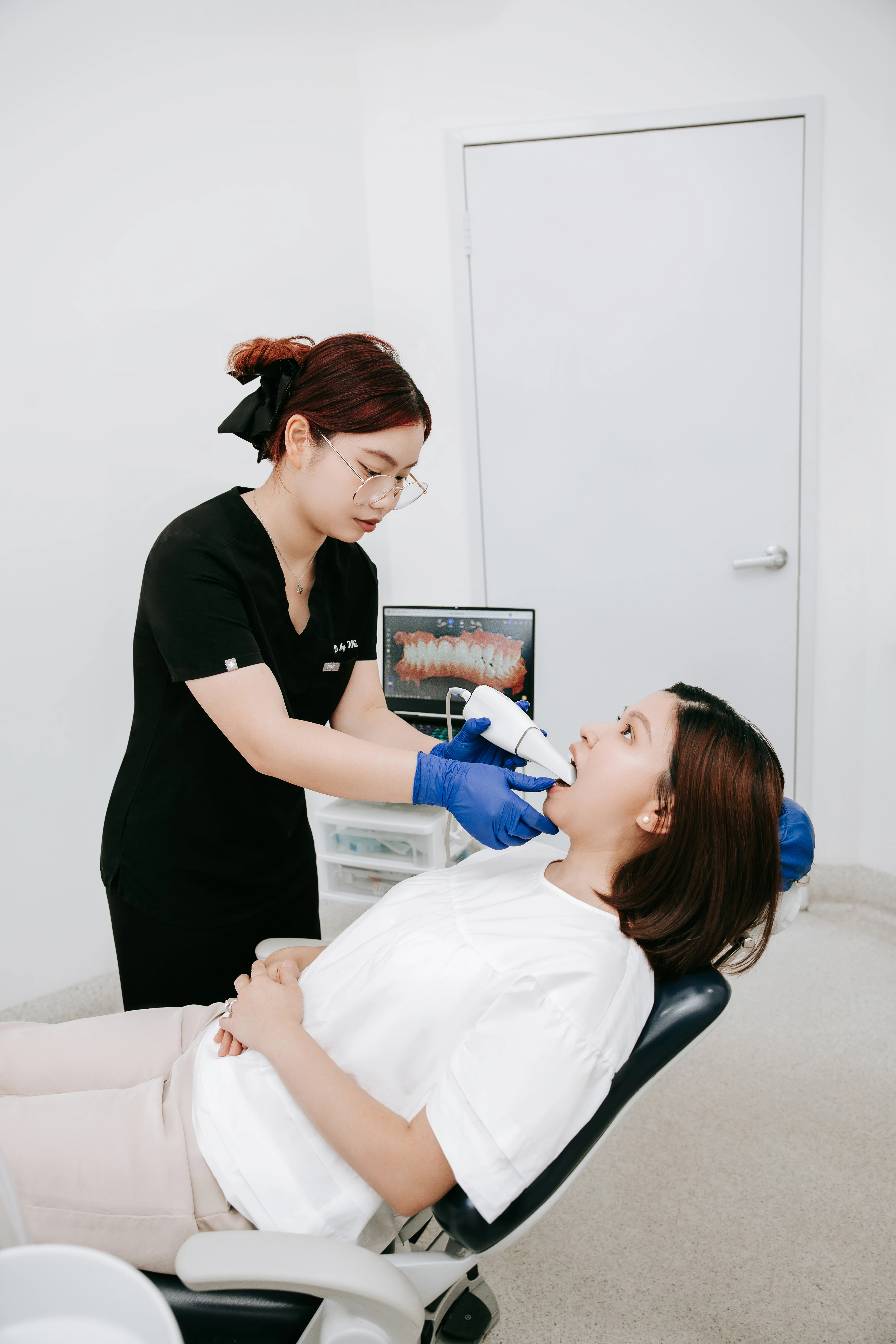
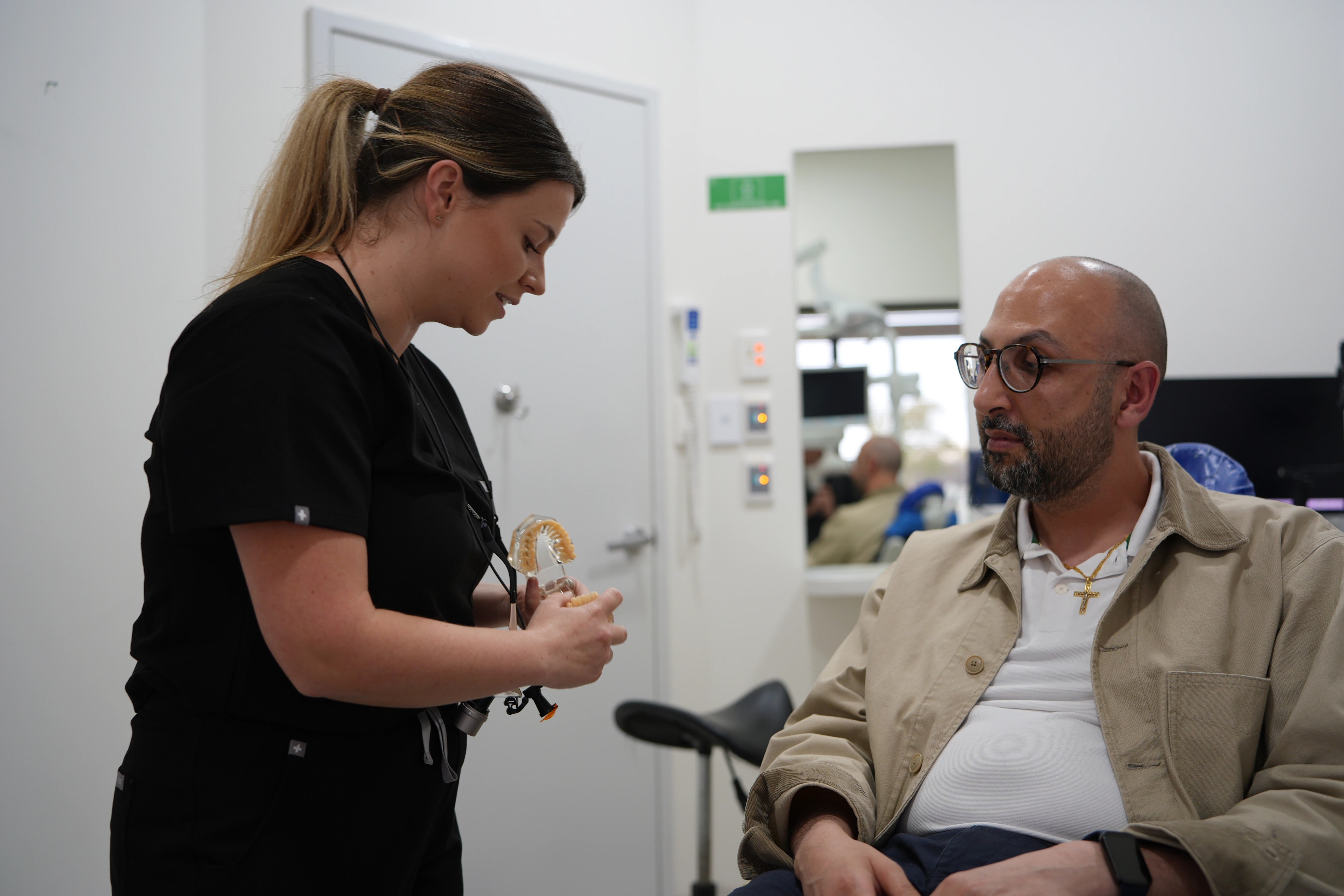
Your dentist turns a list of worries into a sequence: examining your mouth, hearing what matters to you and setting the options side by side. You’ll hear what’s needed now, what’s optional and what each stage involves.
Colour, worn edges, old fillings, crooked teeth, gaps or missing teeth: whatever brought you in. Say what you’d change and, just as usefully, what you’d keep.
We go through your medical and dental history and examine your teeth, gums, jaw, bite and soft tissues, with X-rays if they’re needed.
We explain which findings are about health, which are about function and which are about appearance. Not every difference needs treating.
That might include whitening, bonding, contouring, veneers, clear aligners or repairs. You’ll hear the trade-offs of each, not a bundle decided in advance.
Ask what each stage includes, what could be pushed back and when each cost will be confirmed. You decide how far to go, and nothing is booked until you’re ready.
For each option, we’ll go through three things: what it changes, what upkeep it needs, and whether it can be undone. Whitening lightens natural teeth but not dental work. Bonding adds resin that can chip and be repaired. Contouring removes enamel, which doesn’t grow back. Veneers are fixed to the front of the teeth and usually mean removing some enamel. Clear aligners need their own check, and a damaged tooth needs repairing first.
Where an option is invasive, its risks, alternatives, upkeep and recovery get their own conversation, rather than being tucked inside the words “smile makeover”. Any surgical or invasive procedure carries risks. Before proceeding, you should seek a second opinion from an appropriately qualified health practitioner.
If one thing is driving the decision, a check, a clean, whitening or bonding might answer it without signing up for more.
We’ll say what we’ll check after each stage and which later choices hang on it. The real sequence is set once we’ve examined your mouth and you’ve picked what you want.
A stable concern about how your teeth look can be left alone or watched. If we find a health problem, you’ll hear about it separately, so you always know what’s optional and what isn’t.
There’s no standard makeover price, because one plan covers a single concern and another covers several treatments. We’ll go through the proposed stages, and you’ll know each cost before that treatment starts. Health funds don’t automatically cover cosmetic care, so check what your policy pays.
Book an AppointmentBefore a full appointment, you can book our free 10-minute implant and cosmetic consultation. It’s available to all patients, new or returning, and it’s an information session rather than an examination, so it won’t produce a staged plan or a quote.
Each stage gets its own figure: what it includes, which parts are health needs and which are your choice, and whether records or related care cost extra. Each figure matches the plan you actually agreed.
We accept private health fund claims, and Bupa, HCF and nib members can use our preferred-provider arrangements. Your rebate depends on your policy and the item numbers. Our payment options page covers plans and finance, which have their own approval rules and terms.
You can book online, email enquiries@anchoragedental.com.au or ring (08) 9407 7888. We’re at 1/6 Rothesay Heights, Mindarie, open Monday to Friday, plus Saturday mornings from 8am to 1pm. Mention you’ve got a few things to discuss, so we book enough time.
Once the big picture is clearer, these pages go deeper into one part of it. Read the one that matches the decision in front of you, and bring your questions along.


“Smile makeover” is just our name for planning across several concerns. It doesn’t fix the treatment, the order or the result before we’ve examined you.
Planning across more than one concern, rather than a fixed package. When you book, mention there are a few things you’d like to change, and we’ll allow the right length of appointment. Every decision follows an examination of your teeth, gums, bite and existing work, and treating, watching or leaving each concern are all on the table.
Your list, in your own words: colour, worn edges, old fillings, spacing, crooked teeth or gaps. If there’s a look you’d love, or one you’d hate, say so. Mention any pain or bleeding as well, because that comes first.
No. A plan might involve no treatment, a clean, whitening, bonding, contouring, clear aligners, repairs or veneers, based on what we find and what matters to you. Veneers are one option among many. The porcelain veneers page explains that option if you’re weighing it up.
Often, yes. Many plans start with one priority and leave the rest for later, though the order follows what the examination shows. We’ll tell you what needs doing first, what could come later and what you could leave alone. We’ll set out your actual sequence rather than a standard one.
Your teeth and gums, mostly. We check for decay, gum disease, infection, cracks and bite problems before any elective change, and the order follows those findings. If you’ve got pain, swelling, bleeding or a tooth that’s changed, mention it when you book so we allow the right appointment.
No. Digital Smile Design is a rough visual preview. A smile makeover is the wider conversation about several concerns: the possible treatments, their order, upkeep, risks and cost. A preview can feed into that plan, but it isn’t the plan, and it isn’t a promise of the result.
No. Once we’ve examined you, ask for the proposed stages, risks, alternatives and costs, and take whatever time you need before agreeing to anything. If something needs attention soon for health reasons, we’ll tell you. The free 10-minute consultation, available to all patients, is an information session rather than an examination, so it won’t give you a plan.
From your examination and your choices. Your dentist weighs the health of your teeth and gums, your bite, existing dental work, how many concerns there are and the options you pick. The timing and total cost follow the stages you agree, and we confirm each stage’s cost before it begins.