How much enamel is there
Enamel that’s already thin, worn or eroded, an old repair or a fine crack can each make reshaping a poor idea. If it does go ahead, you’ll know exactly which part of the edge would change before you agree.

One front tooth sits a fraction longer than its neighbour, or a corner has worn to a point, and once you’ve spotted it you can’t stop spotting it. Contouring smooths or reshapes that edge by removing a small amount of enamel, and enamel doesn’t grow back. So we check the tooth, your bite and why it looks that way, then weigh reshaping against adding resin or leaving it be.

What you see is the edge. What decides things is the tooth behind it. We look at how much enamel there is, how your teeth meet and what caused the shape, because if adding resin or doing nothing would answer it, there’s no reason to remove anything.
Enamel that’s already thin, worn or eroded, an old repair or a fine crack can each make reshaping a poor idea. If it does go ahead, you’ll know exactly which part of the edge would change before you agree.
Mention it if that tooth hits first when you close, feels sharp against your lip, or if you clench or grind. How your teeth meet is part of the decision from the start, because your bite decides whether a small change to the edge makes sense.
A longer or pointier tooth can simply be the shape you were born with. It can also be a chip, wear, erosion, decay or an old knock. We work out which before treating how it looks, and pain or a recent break needs a proper check, not a cosmetic guess.
Contouring deals with small enamel edges and nothing bigger. It won’t fix crowding, a crack, decay or the gum line, and when the cause turns out to be one of those, we’ll point you to the check that fits.
If the tooth is healthy and there’s enough enamel, a small adjustment to the edge might be all it needs. Its size, where it sits, your bite and why it’s shaped that way all come into it.
The smallest change you can see isn’t always the smallest change to the tooth. We put removing, adding, repairing, straightening and doing nothing side by side, including what each can and can’t fix, and which of them can be undone.
If the edge is healthy and it only bothers you a little, leaving it is often the sensible choice. We’ll tell you what would be worth a fresh look, like the edge turning rough, sore or sensitive.
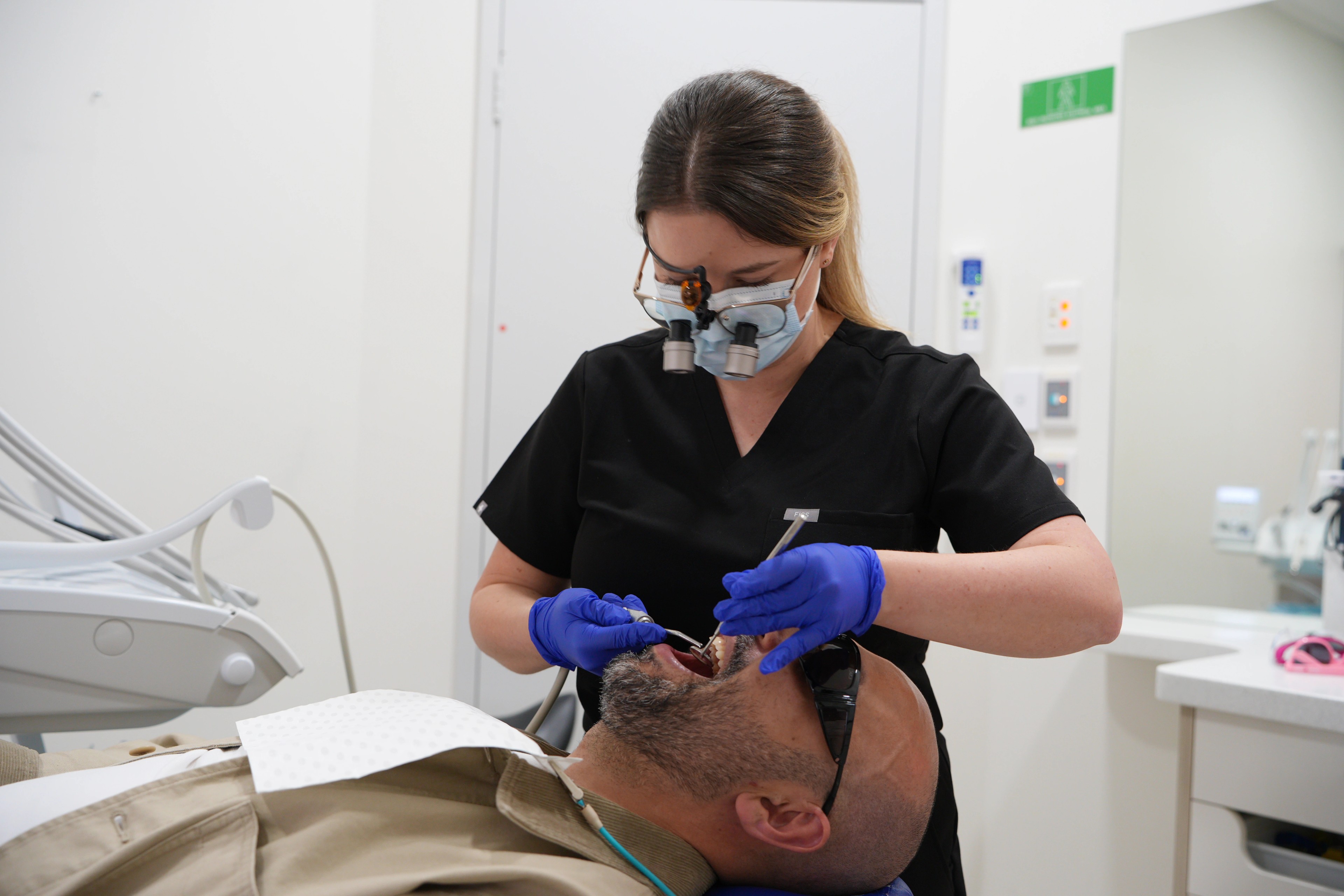
We show you the area, explain what would come off and why, and go through the alternatives and the signs to watch for afterwards.
A tooth that looks longer, a point, a rough patch, a chip or wear. Mention clenching, grinding and any recent knock, and whether the gum line is really what’s on your mind.
Your medical and dental history comes first, then your teeth, gums, jaw, bite and soft tissues, with X-rays only where they’re needed. We’re checking whether the edge is the whole story or a sign of something else.
Your dentist points out the exact area and sets reshaping beside resin, a repair, straightening and leaving it.
If contouring is a reasonable choice for your tooth, go ahead only once you understand the change, the alternatives and the symptoms that mean a review, and you actually want it. “Not yet” is a fine answer too.
No. Dental contouring involves removing enamel and cannot be reversed by enamel growing back. That’s the main trade-off. The new edge can look or feel a little different from what you pictured, and your bite can feel different too, so we go through the limits and the alternatives before you agree.
Afterwards, brush and clean between your teeth as usual and follow any care advice for that tooth. Ring us if sensitivity or soreness hangs around, the edge feels rough or sharp, the shape isn’t what we agreed, or your bite feels wrong. A review will show whether it’s the reshaped edge or something else.
How a reshaped tooth looks, feels and responds varies from person to person, and we’ll tell you which symptoms should bring you back. Any surgical or invasive procedure carries risks. Before proceeding, you should seek a second opinion from an appropriately qualified health practitioner.
Resin can often be repaired or replaced if it chips or stains. Enamel that’s been removed can’t be put back. We’ll help you weigh which trade-off fits your concern before you settle on the change.
Ongoing sensitivity, an edge that keeps getting rougher or a bite that’s changed isn’t something to put up with. Ring (08) 9407 7888 and say what’s different, and we’ll check the tooth, your bite and your gums, including for a crack or decay underneath.
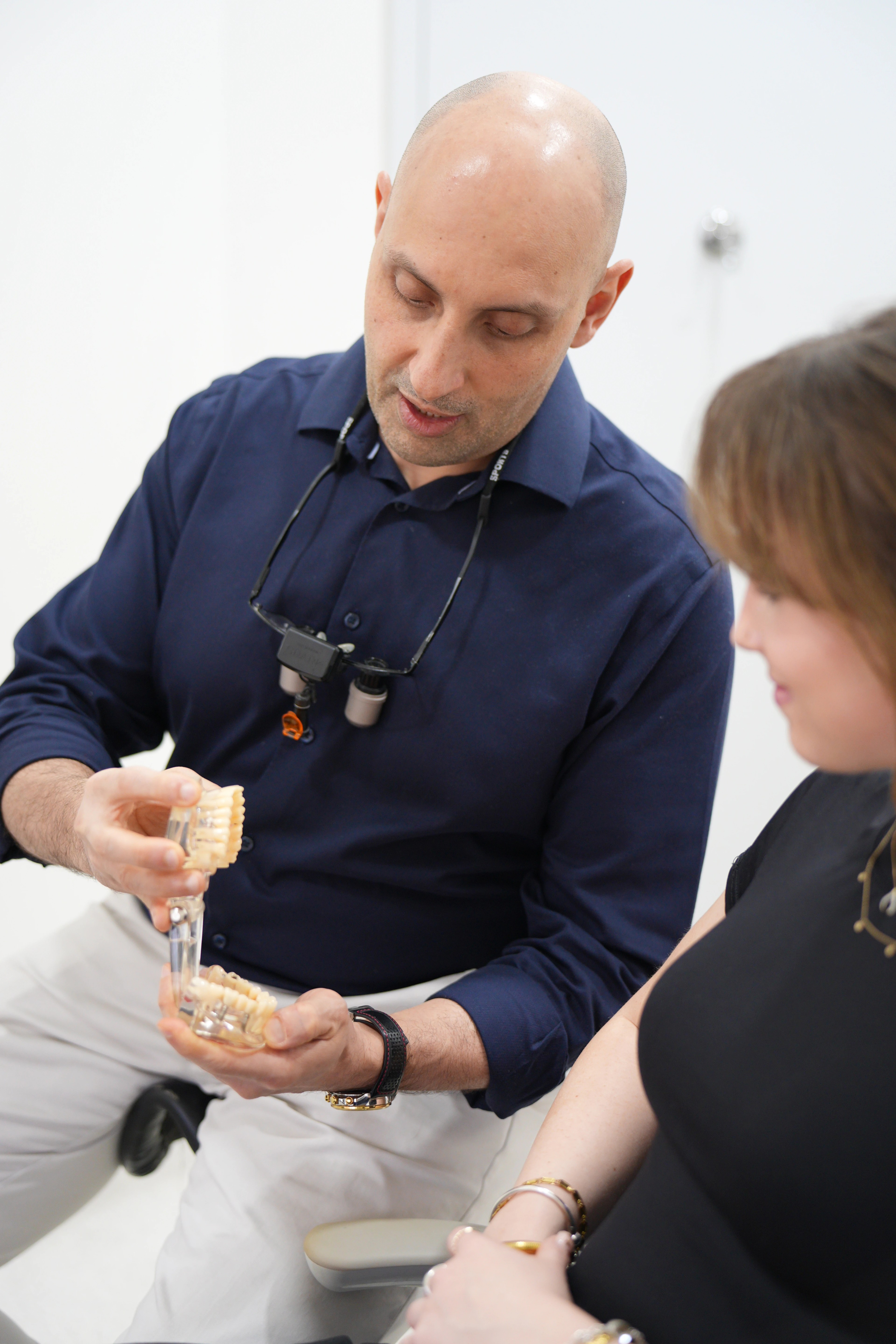
Even a small change starts with a check and a clear fee. We’ll tell you how long the appointment takes, and whether the tooth needs numbing, once we’ve seen it. If we find wear, decay, a crack or a reason to bond or repair instead, the price changes, and you’ll have it confirmed before any enamel is touched.
Book an AppointmentOur free 10-minute implant and cosmetic consultation can be booked by anyone, new to us or not. It’s an information session about what you’d like and the options, not an examination, so it can’t confirm contouring suits your tooth, plan treatment or give you a quote.
Health funds don’t automatically cover cosmetic contouring. We’re a preferred provider with Bupa, HCF and nib and accept private health fund claims, but what you get back depends on your policy, its limits and the item number. We’ll give you a likely fee to check with your fund before anything is booked.
Use our online booking or ring (08) 9407 7888. You’ll find us at 1/6 Rothesay Heights, Mindarie WA 6030. We’re open 8am to 6pm Monday to Thursday, 8am to 5pm on Fridays and Saturday mornings from 8 till 1. Mention which tooth it is when you book.
Whether you’d rather add than remove, need a repair, or have a few things on your mind at once, one of these is the better next read. They keep the tooth-edge question apart from gum procedures and wider smile planning.


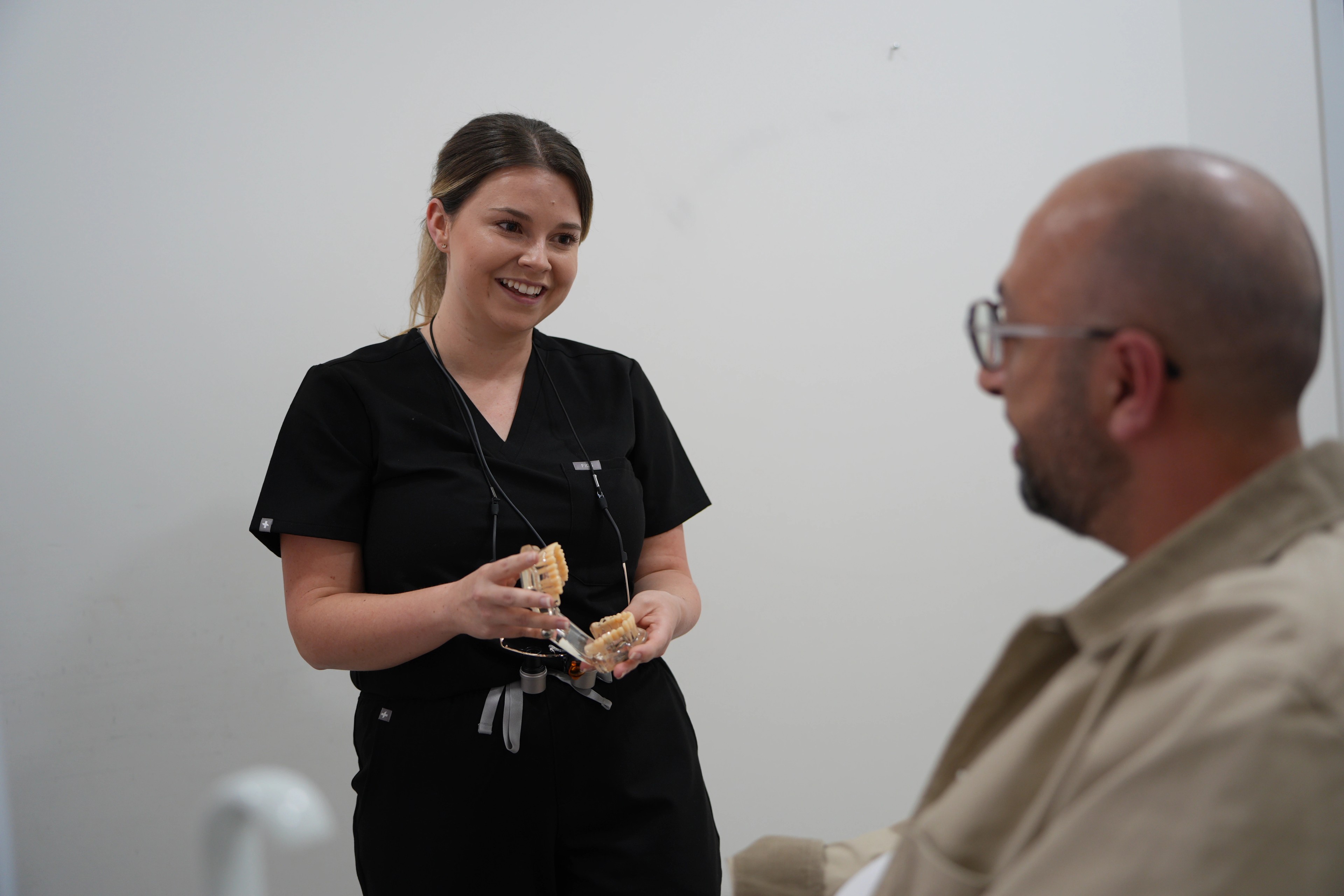
Plain answers on what gets checked, what comes off and what can’t be put back, before anyone reshapes a tooth.
No. Dental contouring reshapes the tooth by removing a little enamel. Gum contouring is a separate procedure on the gum tissue. If it’s the height or outline of your gums that bothers you, say so, and your dentist will explain which check applies.
No. Once enamel is removed or worn away, it doesn’t regrow. That’s why we check how much enamel you have, your bite and the cause of the edge before contouring is even suggested. We’ll also tell you whether resin, a repair or leaving it would answer the concern without losing any.
No. Reshaping an edge doesn’t move a tooth or fix why it’s crowded. If position or bite is the real issue, clear aligners or another check is the better place to start. Taking enamel off to disguise a position problem makes an irreversible change without touching the cause.
For a small edge, only what’s needed to change the shape. The exact amount comes down to the tooth, your bite and why the edge looks the way it does. Your dentist shows you the area and explains what would change before asking for your consent. If the amount or the reason isn’t clear, say so, and we’ll show you what bonding or no treatment would look like instead.
Sometimes. Bonding adds tooth-coloured resin to a chosen area, while contouring takes enamel away. Which one fits comes down to the tooth, your bite, the space, the colour and whether you’re happy to look after added resin. We’ll compare both with you before you choose.
No, it gets checked first. A chip or rough edge can sit beside a crack, decay, exposed tooth or an irritated nerve. Let us know when it changed and whether it hurts or feels sensitive, and we’ll examine it before reshaping comes up.
Yes, it can, especially if the change thins the layer protecting the inner tooth. Whether your tooth needs numbing, and what to watch for afterwards, is something your dentist will go through with you. If sensitivity or pain doesn’t settle, ring us for a review instead of putting up with it.
Ask what exactly would change, how much enamel would come off, which alternatives are still open and what care the tooth will need afterwards. It’s worth hearing about bonding, a repair, clear aligners, watching it and no treatment before you decide.
Sources: