I’m unhappy with my smile
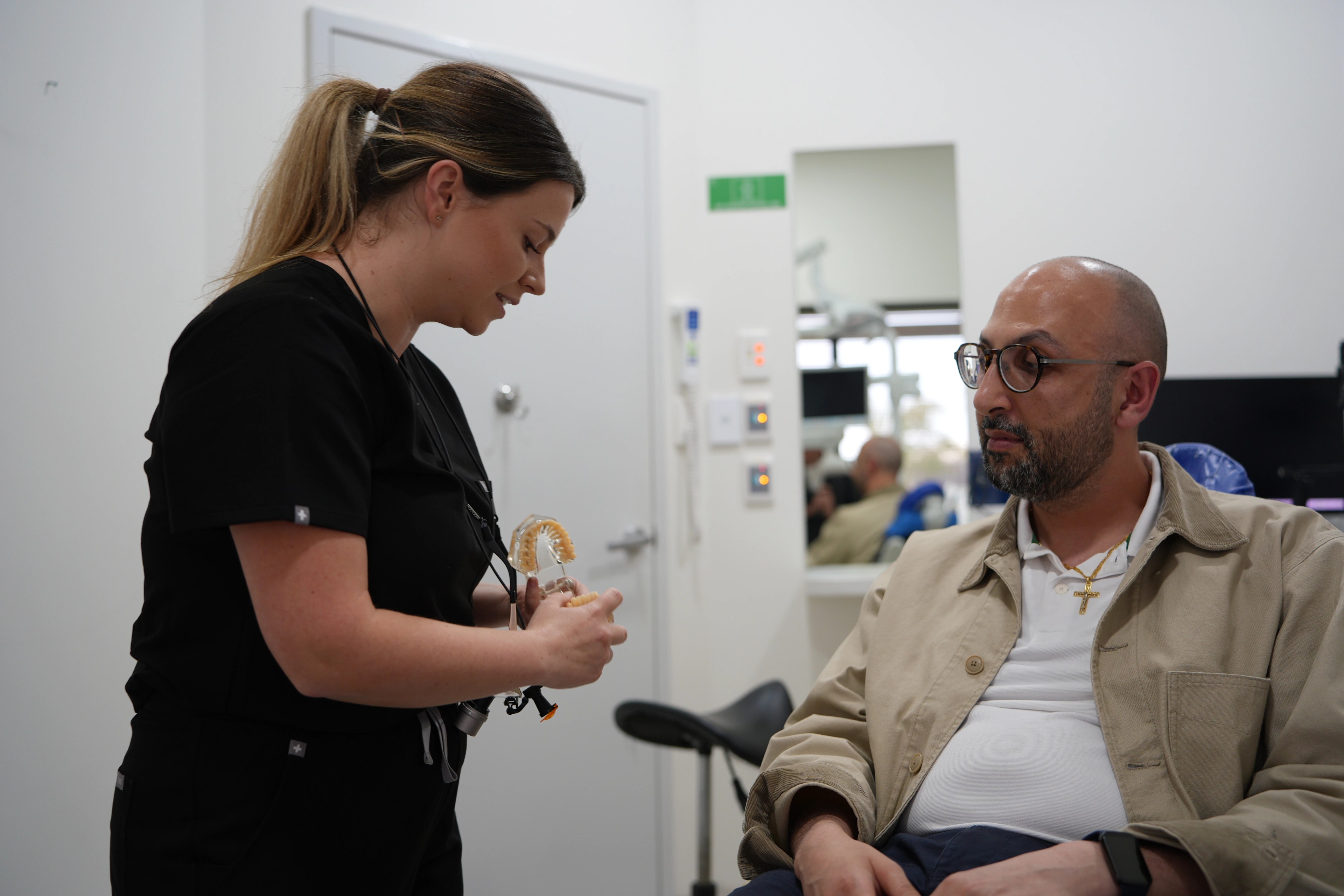
Colour, shape, chips or gaps. We’ll start with what you’d like to change, and why.

A tooth that twinges when you bite. Gums that have started to bleed. A denture that rubs, or a gap you’d like filled. You don’t need to know the treatment name. Say what’s going on in your own words, and we’ll book the right visit and work out the rest with you.
Pick the one that sounds most like you. Each page covers the usual causes, what we’d check, and the options.
Colour, shape, chips or gaps. We’ll start with what you’d like to change, and why.

A gap can make chewing harder and let other teeth drift. Implants, bridges and dentures each suit different situations.

Loose, sore or hard to eat with? An adjustment often helps, without starting again.
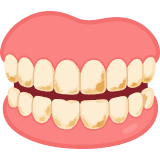
Surface stains, one darker tooth and old fillings that no longer match each need a different fix.
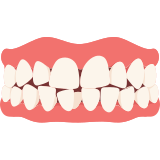
Crowding, gaps or a bite that feels off. Gums and bite get checked first, then we talk aligners.
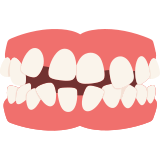
Several things you’d like to change? We’ll help you decide the order, and what to do first.
Pain, swelling, a broken or knocked-out tooth. Ring (08) 9407 7888 for what to do right now.
One chip, one gap, one darker tooth. A small fix is often all it needs.
If the chair makes your heart race, we’ll go slowly, explain each step first, and stop when you ask.
Bleeding gums can be brushing technique or the start of gum disease. A sore tooth can be a crack, or a filling that’s let go. So a first visit is mostly listening and looking, usually 30 to 60 minutes in the chair.
 We’ll explain what we found before we suggest anything.
When it started, what sets it off, whether it comes and goes. If you’re nervous, we’ll slow down and explain as we go.
Plus the soft tissues of your mouth. We take an X-ray only when we need to see something we can’t by looking, and we’ll say why before we take one.
Some things need treating soon. Others can wait until your next check-up. Either way, you’ll know which is which, and roughly what it costs.
Bring it up when you book. We’ll talk about the dental side and the money side together, so you walk in with a rough idea of both.

Bring your health fund card, your child’s Medicare card if they’re eligible for CDBS, or your DVA Gold or White Card. Eligible children’s care is bulk billed under CDBS, within their benefit limit.
Colour, a chip, a gap or worn edges. We check your gums, bite and old fillings first, because whitening won’t lighten a crown and decay has to be fixed before bonding.
Read about smile concerns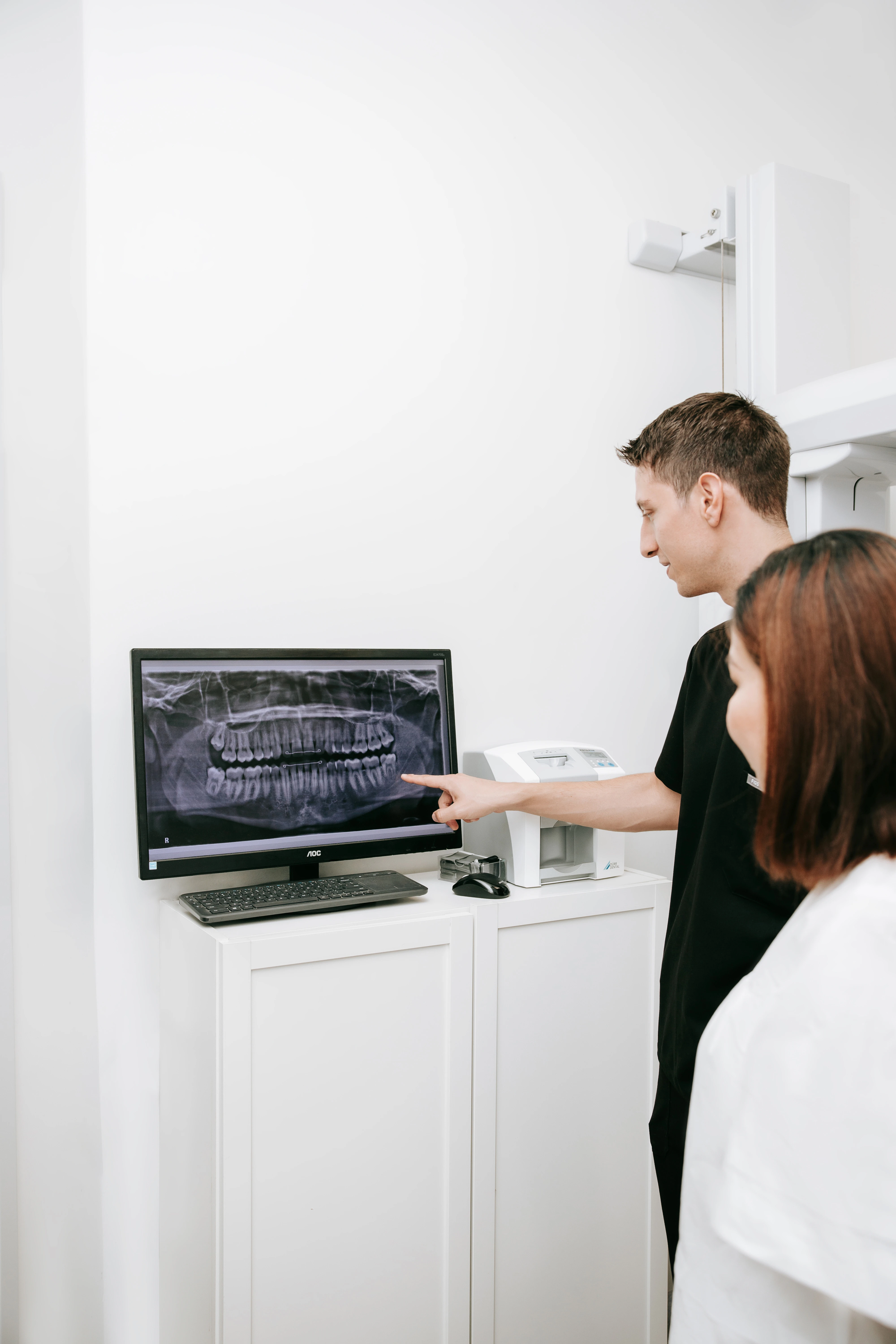
Since 2011, Dr Michael Shams has run the clinic here in Mindarie, with Dr Charles Tricoli and Dr Maddi Sheppard alongside him.
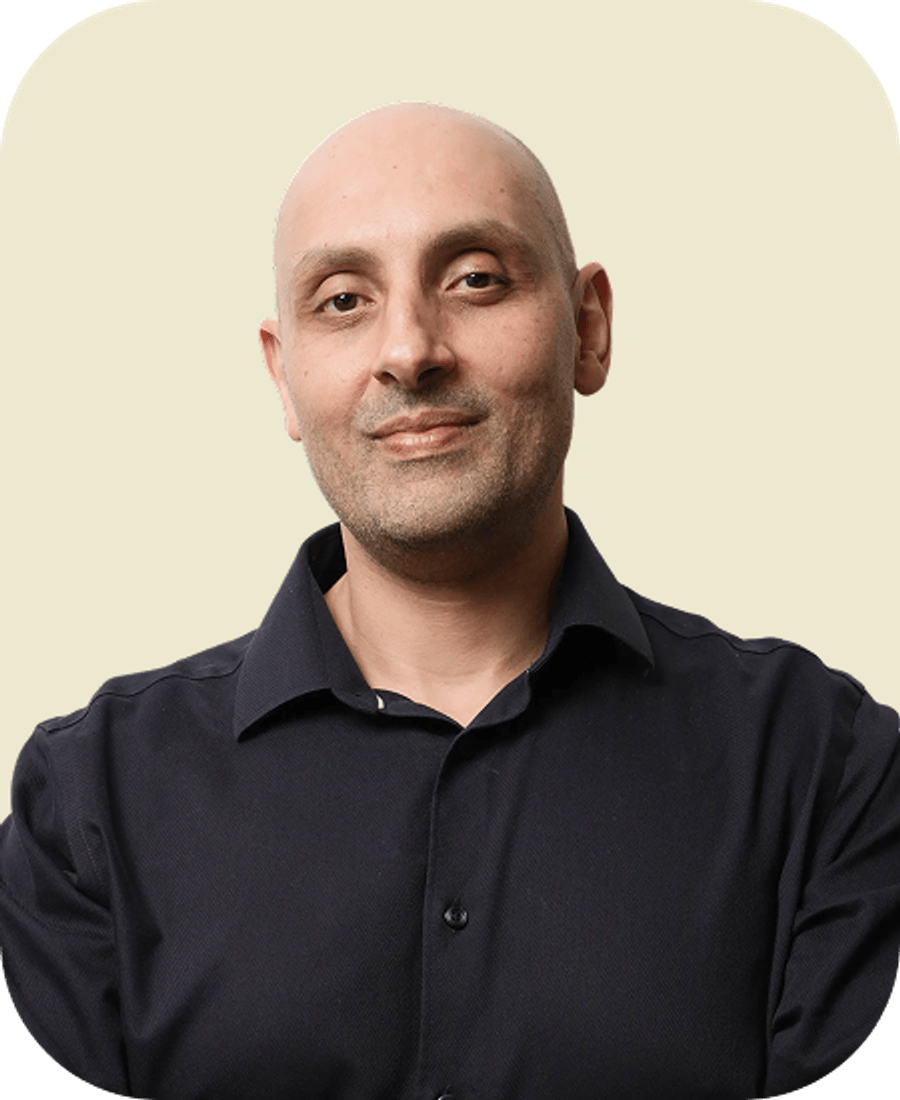
AHPRA Reg. DEN0001580551
Graduated from UWA in 2002 and has led Anchorage since 2011. Enjoys the bigger restorative and cosmetic work, from veneers to restoring implants.
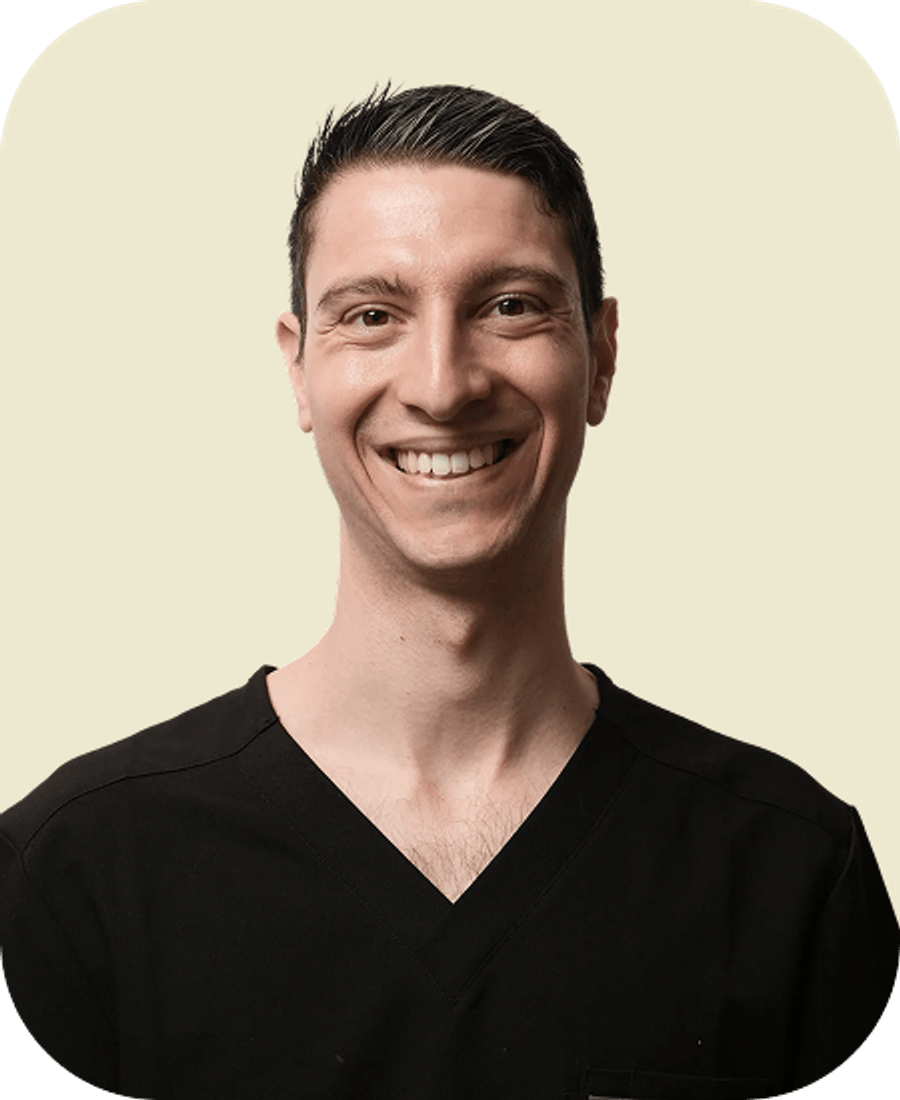
AHPRA Reg. DEN0002559634
Trained at UWA, graduating in 2021. His focus is preventive and restorative care: catching problems early and fixing them simply.
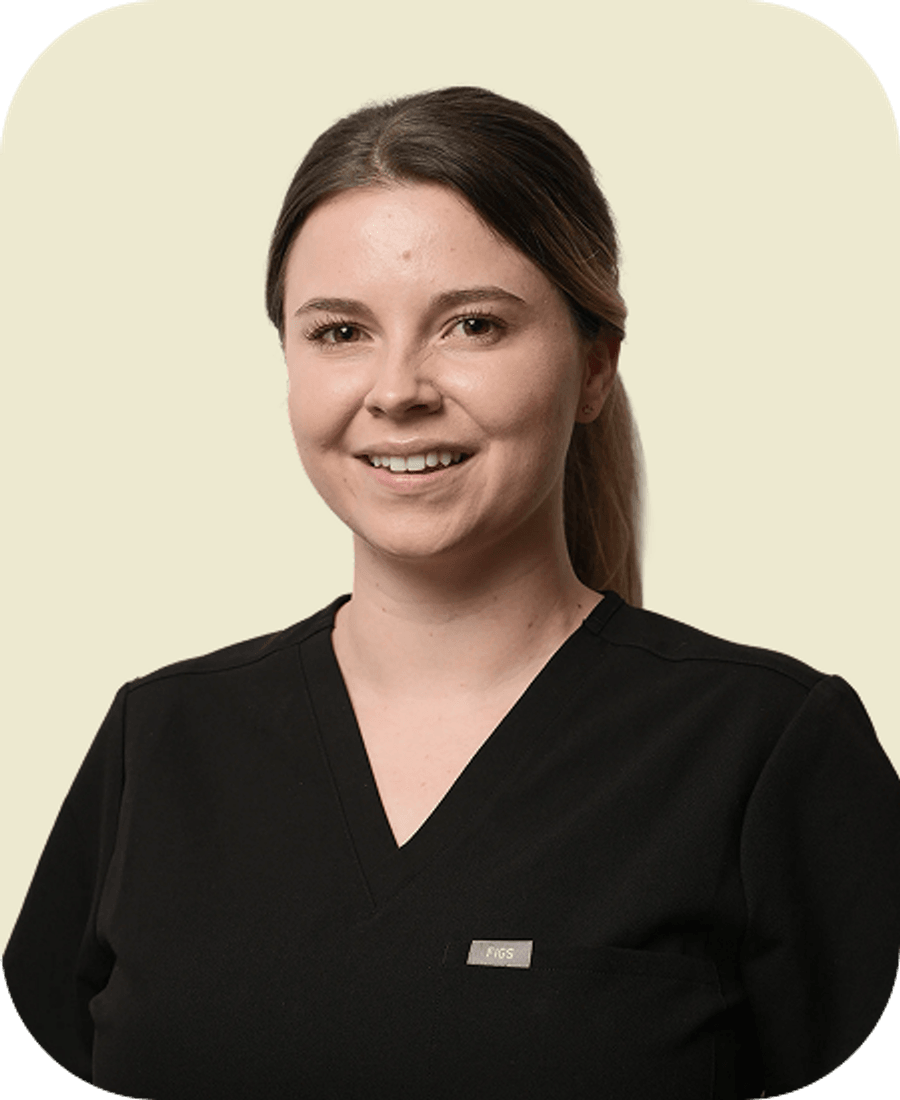
AHPRA Reg. DEN0002871674
Trained at the University of Sheffield and moved to Perth in 2024. Has a soft spot for children, nervous patients, and anyone who wants to talk about their pets.
Three things help us most: where the problem is, how long it’s been there, and whether there’s pain, swelling or an injury. With those, we can work out how soon to see you and how long to book.
That’s most people who ring us. They don’t have a name for it, and they don’t need one. A tooth that twinges with cold or gums that bleed when you floss is plenty to go on.
From that, we book the right length of visit. Treatment only comes up once your dentist has examined your teeth, gums, bite, jaw and the soft tissues of your mouth.
You’ll leave with one clear next step, and we’ll tell you why it comes first.
Yes, and lots of people do. Book for the main thing, and we’ll ask what else is on your mind before we start.
If the two are linked, like a sore tooth and an aching jaw, your dentist can usually look at both. If the second needs X-rays or more time, we’ll book a second appointment for it.
Anything urgent goes first. For pain, swelling or a broken tooth, call (08) 9407 7888.
Yes. We can give you a rough idea when you book, and an estimate once your dentist has had a look. It lists item numbers, so your fund can tell you what it pays.
Nothing goes ahead until you’ve agreed to the estimate, and bigger work can often be done in stages.
To spread the payments, our payment options page sets out each plan and its terms, and we’re happy to discuss them at the visit.
Ring (08) 9407 7888 for severe pain, swelling, a broken tooth, a knocked-out adult tooth or bleeding that won’t settle. We’ll find you the earliest time we can.
With a knocked-out adult tooth, get to a dentist straight away. The first-aid steps are on our dental emergency page.
Call 000 or go to the nearest emergency department if you’re struggling to breathe or swallow, swelling is spreading towards your eye or neck, bleeding won’t stop with pressure, or there’s been a head or jaw injury.
Only the card that applies: your health fund card, your child’s Medicare card for CDBS, or your DVA Gold or White Card.
Once your dentist has examined you, we’ll give you the item numbers for your fund and say whether CDBS or DVA applies. If you’re hoping to claim at the visit, we’ll let you know whether that’s possible before your dentist begins.
For eligible children, CDBS covers up to $1,158 over two consecutive calendar years (current for 2026). We’ll check how much is left before treatment.
Yes. They’re often connected: missing teeth, a loose denture, worn edges and a shifting bite all affect each other, so it helps to see them together.
Your dentist looks at the whole picture, then puts the work in order: anything painful or getting worse first, then whatever protects your teeth, then the rest. A few visits planned together usually work better than everything at once.
Before you leave, we’ll tell you the first step, roughly what it costs, and which things can be watched for now.
Yes, please. A child, nerves, medical needs, mobility or how you’d like things explained all change how long we book.
For a child, we’ll ask their age, whether there’s pain or an injury, and whether CDBS applies. We suggest a first visit by the first birthday, or when the first tooth comes through.
If visits are hard for you, our dental anxiety page covers what we do differently, and we can book you in with Dr Maddi Sheppard, a dentist here who focuses on anxious patients and children.
With an ordinary check-up. Plenty of people come back after a long break, and you don’t owe anyone an explanation.
Your dentist will tell you what’s healthy, what’s urgent and what can be left for later. X-rays show decay between teeth and how old fillings are holding up.
When you ring, say how long it’s been. We’ll tell you how long to allow, roughly what the visit costs and who you’ll see.
Plenty of people can’t quite describe it. Is it sharp, dull or throbbing? Loose, rough or swollen? Worse with cold drinks, or when you bite down? Any of those gives us somewhere to start.
If it comes and goes, a photo on your phone from when it flares up helps your dentist see what you see.
When you ring, we’ll ask a few simple questions and work it out with you, so you don’t have to arrive with the right words.
Yes, and it’s a good question. A dark tooth, worn edges, a gap or a receding gum can come from decay, an old filling, gum health or bite pressure, even when all you notice is how it looks.
We check health first, because decay, inflamed gums and heavy bite forces need treating before anything cosmetic. That changes which options are worth talking about.
Your dentist will tell you whether it’s health, looks or both, and if it’s mostly looks, our smile concerns page covers the usual options.
Often the simplest thing is enough: smoothing a rough edge, a small repair, some prevention, or watching it until your next check-up.
Sometimes the simple-looking fix won’t last, or misses the cause. A tooth that keeps chipping, a gum that keeps bleeding or a denture that keeps working loose needs a closer look before anyone patches it.
Your dentist will put the least invasive option that would work beside the problem you want solved, and tell you what it won’t fix.
Yes, ring. Swelling, pus, a fever, a bad taste or pain that’s getting worse all matter, because a dental infection can change quickly once swelling spreads.
We’ll ask where the swelling is, when it started, whether it’s spreading and whether you can open your mouth properly. That tells us whether you need a dentist today or medical care first.
Call (08) 9407 7888 and we’ll talk it through. If breathing or swallowing is affected, or the swelling is near your eye, call 000.
Yes. A loose denture, a sore spot, a gap, a broken tooth or food that keeps catching are all good reasons to come in.
Your dentist checks your gums, the bone and the teeth you still have before talking about adjusting a denture, a new one, a bridge or an implant. A new denture takes several weeks in a lab, so we ease a sore spot first.
Bring the denture, even if it’s broken. Our pages on dentures and on missing teeth go through each option in more detail.
Pain, infection and anything that’s changing quickly come first, because they can get worse. Next is anything that could do more damage if it’s left, like a cracked filling. Looks come last, once your mouth is healthy.
After that, the order is partly up to you. Cost and time off work matter, and your dentist can spread the rest over visits that suit you.
Not sure whether something’s urgent? Call (08) 9407 7888, and we’ll tell you how soon to come in.
Yes, a partner, parent or friend is welcome. A second pair of ears helps when you’re nervous, when it’s a child or an older parent, or when there’s cost and timing to weigh up.
Your dentist still talks with you directly and asks for your consent before any treatment. If there’s anything you’d rather not discuss in front of them, just say.
Before you leave, we’ll go over the findings and the next step again, and check you both have the same picture.