Which teeth are natural
Whitening gel only works on natural enamel. Porcelain, resin and crown materials keep their colour, so we map which teeth are your own and which have dental work before anyone talks about shades.

Somewhere along the way, your teeth went a shade more yellow than you remember. Usually it’s years of tea and coffee; sometimes it’s one tooth on its own. Whitening lightens natural enamel and nothing else, so before anyone mentions gel, we look at which teeth have changed and why.
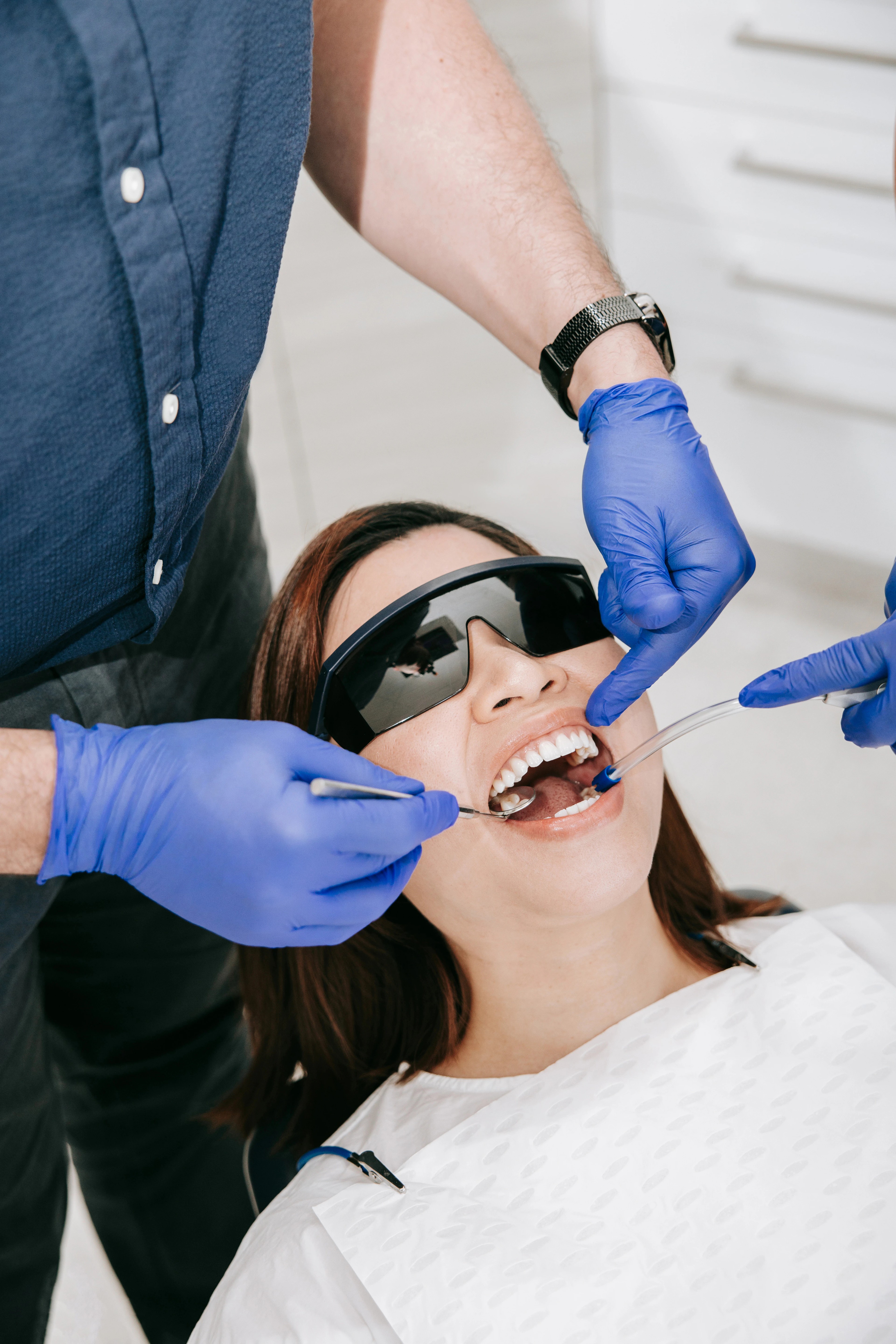
Yellowing can come from surface stain, from the tooth itself or from old dental work. At your first visit we look at your teeth and gums, note every filling, crown, veneer or bonded edge, and ask when you first noticed the change. That’s how we know whether whitening fits or something else comes first.
Whitening gel only works on natural enamel. Porcelain, resin and crown materials keep their colour, so we map which teeth are your own and which have dental work before anyone talks about shades.
Sensitive teeth, bleeding gums, a crack or a hole that hasn’t been filled all matter here. Whitening can make sensitivity worse, so we settle those first and come back to colour afterwards.
Even yellowing across several teeth is a different question from one tooth that went grey after a knock or a root canal. We’ll explain whether a clean, whitening, a repair or simply keeping an eye on it makes more sense.
Come in with what you’ve noticed: which teeth, roughly when, and whether one looks different from the rest. Coffee stain, a tooth that darkened after an injury and an old filling that no longer matches can look alike in the mirror, but each needs a different answer.
Tea, coffee, red wine and smoking all leave stain, and enamel deepens in colour as we age. When several teeth have darkened evenly, a professional clean, whitening or both is usually what we’d talk through.
We offer whitening two ways, and sometimes neither is the right answer. We weigh what you’d like against your teeth, gums and existing work, then tell you what each option can and can’t do.
In-chair whitening happens here at Rothesay Heights, with your dentist supervising, once your teeth and gums are ready for it. We’ll explain how the session runs, and what it costs, when you come in.
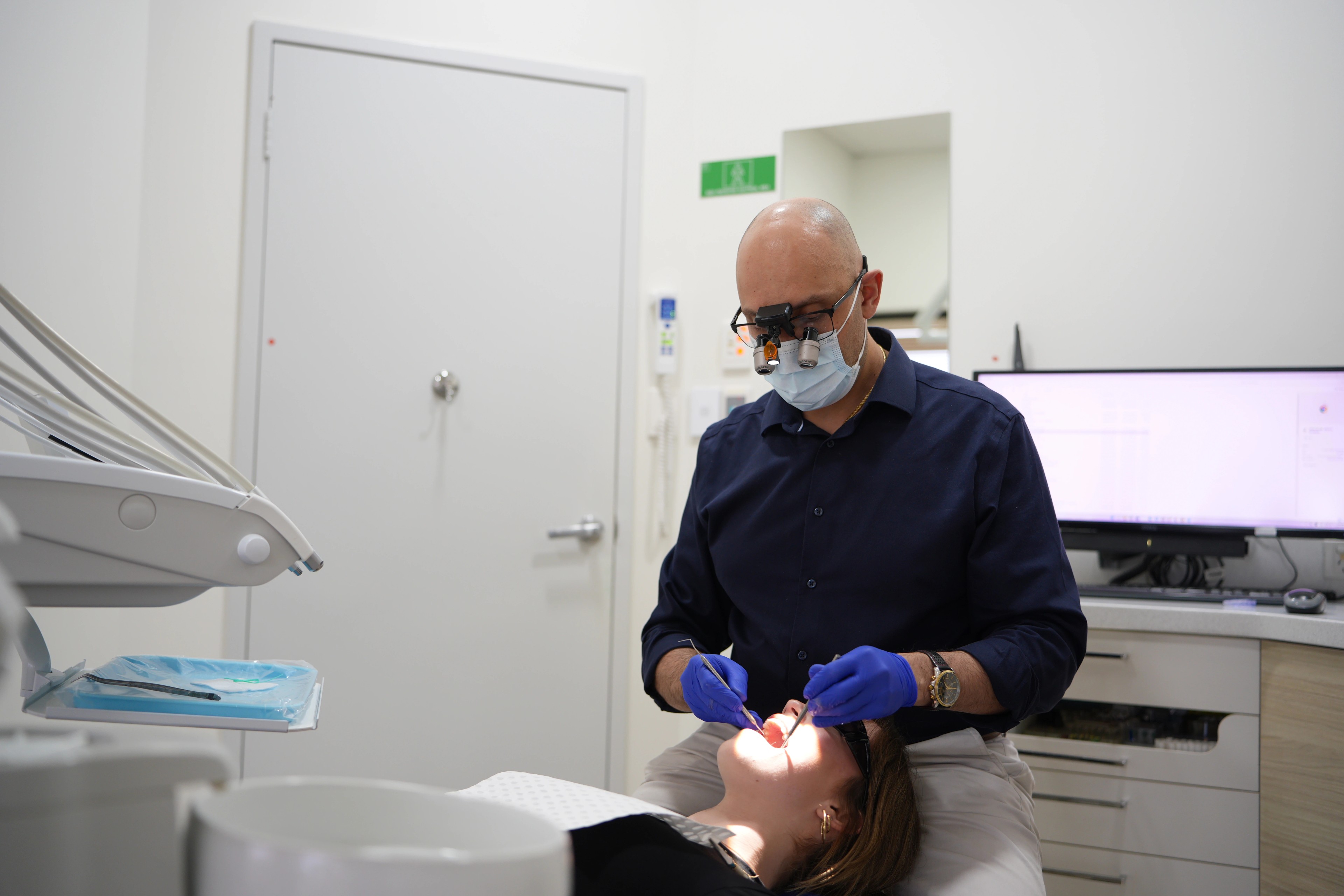
Questions first, gel later, if at all. We go through your medical and dental history, examine your mouth, take X-rays only if they’re needed, and explain the limits, risks and likely cost before you agree to anything.
Show us the teeth that look darker or uneven, anything you’ve already tried, and any sensitivity, bleeding or dental work nearby.
We check your teeth, gums, jaw, bite and the soft tissues of your mouth. If one tooth needs a closer look, we’ll explain why an X-ray would help.
You’ll hear whether it’s surface stain, your natural tooth colour, one tooth that has changed, or dental work that won’t lighten.
If whitening makes sense, we weigh an in-chair session against a POLA take-home kit for your teeth and your week. Your routine is set for you, never copied from a friend’s kit.
We’ll tell you what the whitening includes, what’s charged separately and what we’d suggest, so you know the cost before anything starts.
Whitening lightens natural enamel. It won’t change the colour of a crown, veneer, filling or bonded edge, so a front restoration can need its own shade conversation. A single dark tooth needs a proper look before any whitening, because the cause is often inside it.
Follow the instructions you’re given for your teeth. Some sensitivity is common and tends to pass. If it’s severe, keeps going or simply worries you, stop and ring us on (08) 9407 7888 rather than pushing on.
Any dental work, old injuries, root canal treatment, bleeding gums, cracks or sensitivity, and whether you’re pregnant or breastfeeding. It helps us ask the right question first.
Don’t add more gel or start another course. Ring us, and we’ll look at why the difference is still there and what could help next.
There’s no single whitening price, because it comes down to in-chair or take-home, how many teeth are involved and what needs checking first. You’ll know the cost before we start. Health funds don’t always cover cosmetic whitening, so it’s worth asking yours what your policy pays.
Book an AppointmentOur free 10-minute implant and cosmetic consultation is available to all patients, new or existing. It’s an information session about your goals and options, not an examination, so it can’t tell you whether whitening will work on your teeth.
Before whitening starts, we’ll tell you which option we’re suggesting, what it includes and whether any extra visit or product is involved. Your price comes from your appointment, not from a number on a website.
We accept private health fund claims, and we’re a preferred provider with Bupa, HCF and nib. What you get back for cosmetic whitening depends on your policy. Our payment options page covers Zip, Fund My Dental and in-house plans, with their fees and eligibility.
Book online, email enquiries@anchoragedental.com.au or call (08) 9407 7888. We’re at 1/6 Rothesay Heights, Mindarie, open 8am to 6pm Monday to Thursday, 8am to 5pm Friday and 8am to 1pm Saturday. If whitening is your only question, say so when you book.
Each of these answers a narrower question: whitening at home, clearing build-up, previewing a change, or sorting several concerns into an order.


The questions that come up once people start thinking about colour, including the parts of your smile whitening can’t reach.
Mostly where it happens. In-chair whitening is done here, with your dentist supervising. Take-home whitening uses a POLA kit, usually about 20 minutes a day for one to two weeks, with an occasional top-up later as the colour fades. We’ll suggest one after looking at your teeth, gums, dental work and sensitivity.
No. Whitening lightens natural enamel only. Porcelain, crowns, veneers and resin keep their colour, so the difference between them and your own teeth can look bigger afterwards. Let us know what dental work you have, and we’ll work out whether to whiten first or handle the colour another way.
Sometimes not, and it comes down to why it darkened. A tooth can change colour from the inside after a knock or root canal treatment, and gel on the surface often can’t reach that. We’ll examine the tooth and explain whether whitening, another treatment or watching it makes sense.
Let us know before you start. Whitening can make teeth more sensitive and irritate the gums, and cracks or gum disease make that more likely. Usually we treat the underlying problem first, then come back to whitening if you still want it.
Often, yes. If tartar or surface stain is dulling your teeth, a clean shows the real colour underneath before you decide. It won’t change one dark tooth, a filling or colour from inside a tooth, so we check those separately.
It changes the order. Whitening lightens natural teeth but not resin or porcelain, so the shade of a bonded edge or veneer is matched to your teeth after any whitening. Whiten afterwards and the new work can look darker than the teeth beside it. The dental bonding and porcelain veneers pages explain each option.
Sensitivity is the common one. Gel on the gums, lips or tongue can irritate them, a cracked tooth can hurt if gel gets in, and dental work can end up a different shade from the teeth around it. Don’t swallow the gel or use more than you’re told, and ring us if it hurts.
Yes, for take-home whitening. Our kits are POLA®, and your dentist picks the version and gives you instructions after checking your teeth. At that visit we’ll go through what’s in the kit, the routine, the price and what change is realistic. POLA® is a registered trademark of SDI Limited.