Hold it by the crown
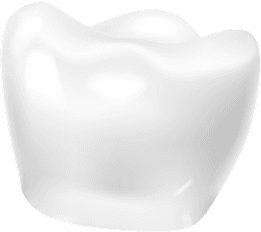
Pick it up by the white part you’d normally see when someone smiles. If it’s dirty, rinse it briefly in milk or under cold running water for no more than 10 seconds. Don’t scrub it, and don’t touch the root.

If there’s a tooth in your hand right now, hold it by the white crown, never the root. If it’s an adult tooth, push it gently back into the socket and bite on a clean cloth. If it won’t go back, keep it in milk. Never put a baby tooth back. Then ring (08) 9407 7888 and get to a dentist straight away.
Check the person before the tooth. If there’s a head or jaw injury, trouble breathing or swallowing, or bleeding that won’t stop, call 000 first. Then work through these.
Pick it up by the white part you’d normally see when someone smiles. If it’s dirty, rinse it briefly in milk or under cold running water for no more than 10 seconds. Don’t scrub it, and don’t touch the root.
If it’s an adult tooth, push it gently back into the socket and bite on a clean cloth to hold it. If it won’t go back, keep it in milk, or an adult can hold it inside their cheek (not a young child). Never store it in water.
Ring us, then get to a dentist straight away, because every minute counts. If we’re closed, call (08) 9407 7888 for guidance or go to the nearest emergency department. Bring the tooth with you.
Ring while you’re on the move if you can. Whose tooth it is, when it came out and how they’re doing decide what we tell you.
Give us the person’s age, because baby and adult teeth are handled differently. If you can’t tell which it is, don’t put it back: keep it in milk and come in.
The right first step comes down to the tooth and the person.
Hold it by the crown and push it gently into the socket, the right way round. Don’t force it. Bite on a clean cloth to keep it there, and head straight to a dentist.
Move quickly, but keep the person safe on the way. Here’s the order of things, and what we do when you reach us at 1/6 Rothesay Heights, Mindarie.
Look for breathing trouble, fainting, a head injury or bleeding that won’t stop. Then work out whether it’s an adult or baby tooth.
Hold it by the crown. Put an adult tooth back if you can and bite on a clean cloth; otherwise keep it in milk. A baby tooth stays out.
Call (08) 9407 7888 on the way and bring the tooth. If we’re closed, call the same number for guidance or go to the nearest emergency department.
Your dentist checks the socket, the tooth, the teeth nearby and your bite, steadies the tooth if it’s back in, and explains the follow-up visits it will need.
Breathing and alertness come before the tooth. Once your dentist has treated it, follow their instructions for the tooth and anything holding it in place.
On the way in, keep the person biting gently on the cloth if the tooth is back in. If it’s in milk, keep the container with you. An adult can hold it inside their cheek instead (not a young child). Never store it in water.
For a baby tooth, keep your child calm and press a clean cloth on the gum. Let us know whether you found the tooth or think it might have been swallowed, and mention any other loose or chipped teeth.
Call 000 or go to the nearest emergency department for trouble breathing or swallowing, a head or jaw injury, fainting, or bleeding that won’t stop. Otherwise ring (08) 9407 7888. If we’re closed, call the same number for guidance or go to the emergency department.
Nobody can say for sure on the day whether it will last. Acting fast improves its chances. A tooth that’s been put back is usually held still with a small splint for a while, and often needs root canal treatment later. We’ll tell you which signs to ring about.
Don’t wait on an online booking for a knocked-out tooth. Ring with the person’s age, when it happened and what you’ve done with the tooth, and we’ll tell you what to do on the way.
Call (08) 9407 7888Book onlineRing as you leave, or have someone else ring while you drive. Online booking, through Book an Appointment, is for the follow-up visits, not for today.
The tooth in milk, any broken pieces, a list of the person’s medicines, and how it happened. Mention any head or jaw symptoms as soon as you arrive.
Our doors at 1/6 Rothesay Heights are open from 8am, until 6pm Monday to Thursday, 5pm Friday and 1pm Saturday. When we’re closed, call (08) 9407 7888 for guidance or go to the nearest emergency department. healthdirect is on 1800 022 222.
Your dentist explains the fees for today and any follow-up visits once they’ve seen the injury. We accept private health fund claims, and for eligible children, we bulk bill care covered by the Child Dental Benefits Schedule. Ring us first, then book.
A knocked-out tooth often comes with other knocks. These pages cover what tends to follow.

These answers go over the first aid again, for anyone who has scrolled straight here. If an adult tooth is out, the steps at the top of the page come first.
Age is the main clue, so give us the person’s age when you ring. If you’re not sure, don’t put it back: hold it by the crown, keep it in milk and come straight in. We can tell when we see it.
Yes, if it’s an adult tooth and the person is alert and calm. Hold it by the white crown, push it gently back into the socket and bite on a clean cloth. If it won’t go back, keep it in milk and get to a dentist straight away. Never put a baby tooth back.
Rinse it briefly in milk or under cold running water, for no more than 10 seconds, holding only the crown. Don’t scrub it, scrape it or use soap. Then put an adult tooth back if you can, or keep it in milk.
Milk. Put it in a small container of milk. An adult can hold it inside their cheek instead, but never a young child, or anyone who might swallow it. Never store it in water, and don’t wrap it in a tissue where it can dry out.
The root is covered in a thin layer of living cells that helps the tooth reattach. Rubbing or handling it damages that layer, so hold the crown only and leave any cleaning to us.
Ring us and describe the injury. Mention any coughing or breathing trouble, or any chance it was swallowed or pushed up into the gum. A missing tooth after a knock still needs checking, and breathing trouble means 000 first.
For trouble breathing, speaking or swallowing, fainting, a head, jaw or face injury, swelling that’s getting worse quickly, or bleeding that won’t stop. Those come before the tooth. If the person is otherwise well, ring us on (08) 9407 7888.
The socket, the position of the tooth, the gum and the area around the injury. If the tooth is back in, your dentist checks it’s sitting correctly and steadies it with a small splint. It often needs root canal treatment later. Ring straight away and let us know what time it came out.
Nobody can promise that. Acting quickly improves its chances, and so do the first-aid steps above. A tooth that’s been put back is usually splinted for a while and often needs root canal treatment later. At each follow-up, your dentist explains how it’s healing and what to watch for.