Teeth, gums, jaw and bite
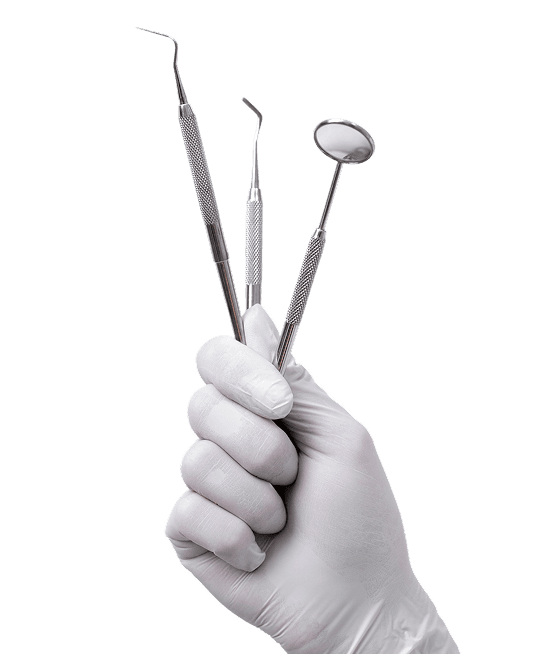
Your dentist looks at every tooth, the gums around them, how your bite meets and how your jaw moves. We also check your lips, tongue, cheeks and the floor of your mouth, and point out anything worth keeping an eye on.

The last check-up was before the kids started school, and every month since, it’s slipped a bit further down the list. A check-up takes about 30 to 60 minutes, and nobody here will grumble about how long it’s been. We open at 8am six days a week, so it can fit in before work or Saturday sport.
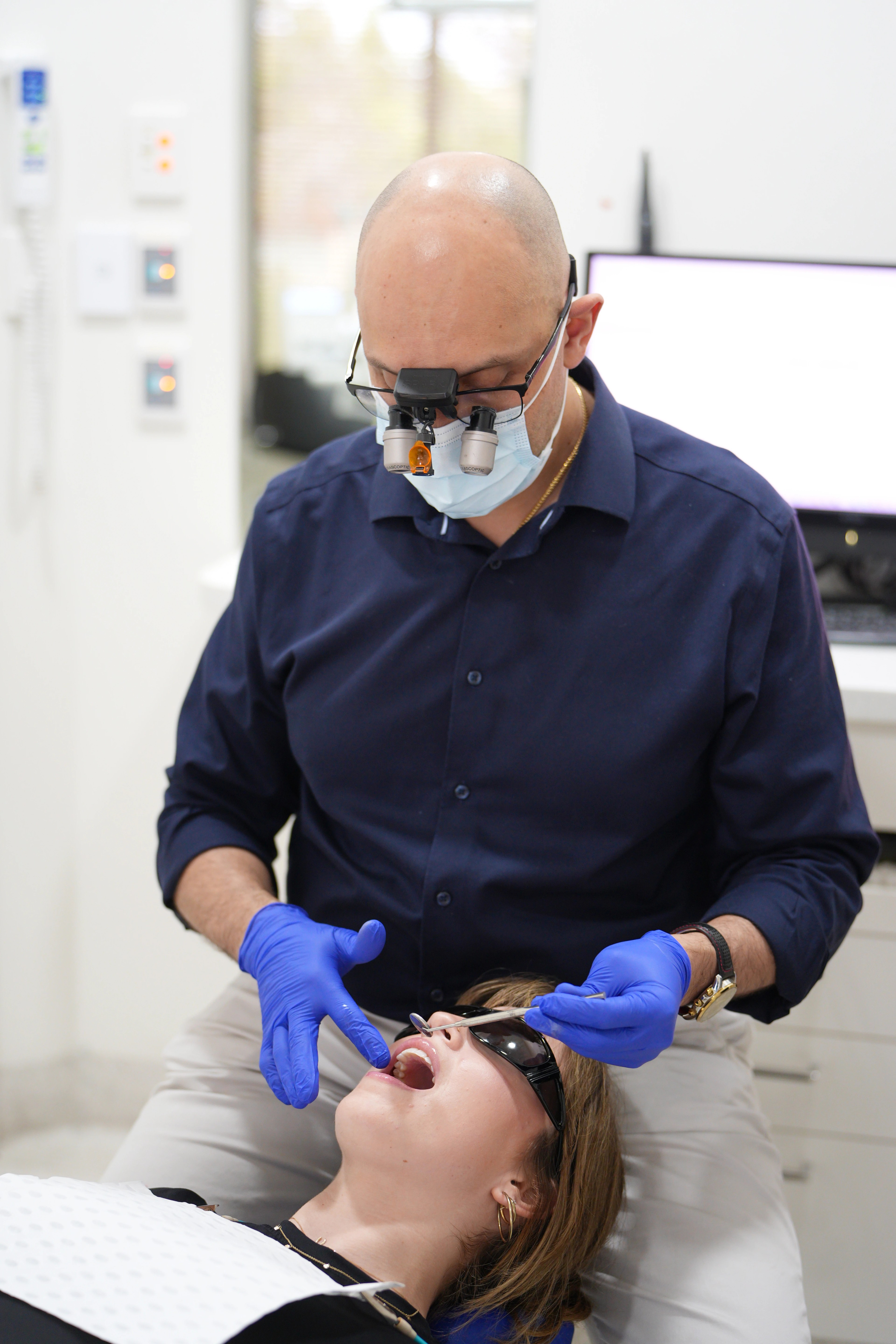
We start wherever you point, then work our way around the rest of your mouth. Your dentist talks you through what they see as they go.
Your dentist looks at every tooth, the gums around them, how your bite meets and how your jaw moves. We also check your lips, tongue, cheeks and the floor of your mouth, and point out anything worth keeping an eye on.
Decay between teeth, or trouble around a root, can hide from the naked eye. That’s when a digital X-ray earns its place. Plenty of check-ups don’t need one.
If something needs a closer look, our intra-oral camera takes a photo inside your mouth so you can see it too. Seeing it for yourself beats taking our word for it.
Small things count. A tooth that feels different, gums that bleed when you floss, or just the nagging sense that it’s been too long are all good reasons to come in.
A rough guess at how long is fine. We start from where your mouth is today, not from where it should have been.
No. Some things need doing soon, some can be watched, and some just need a change in how you brush. You’ll hear which is which, and why.
A check-up is for finding out where things stand. Anything after it depends on what we see, and on what you decide.
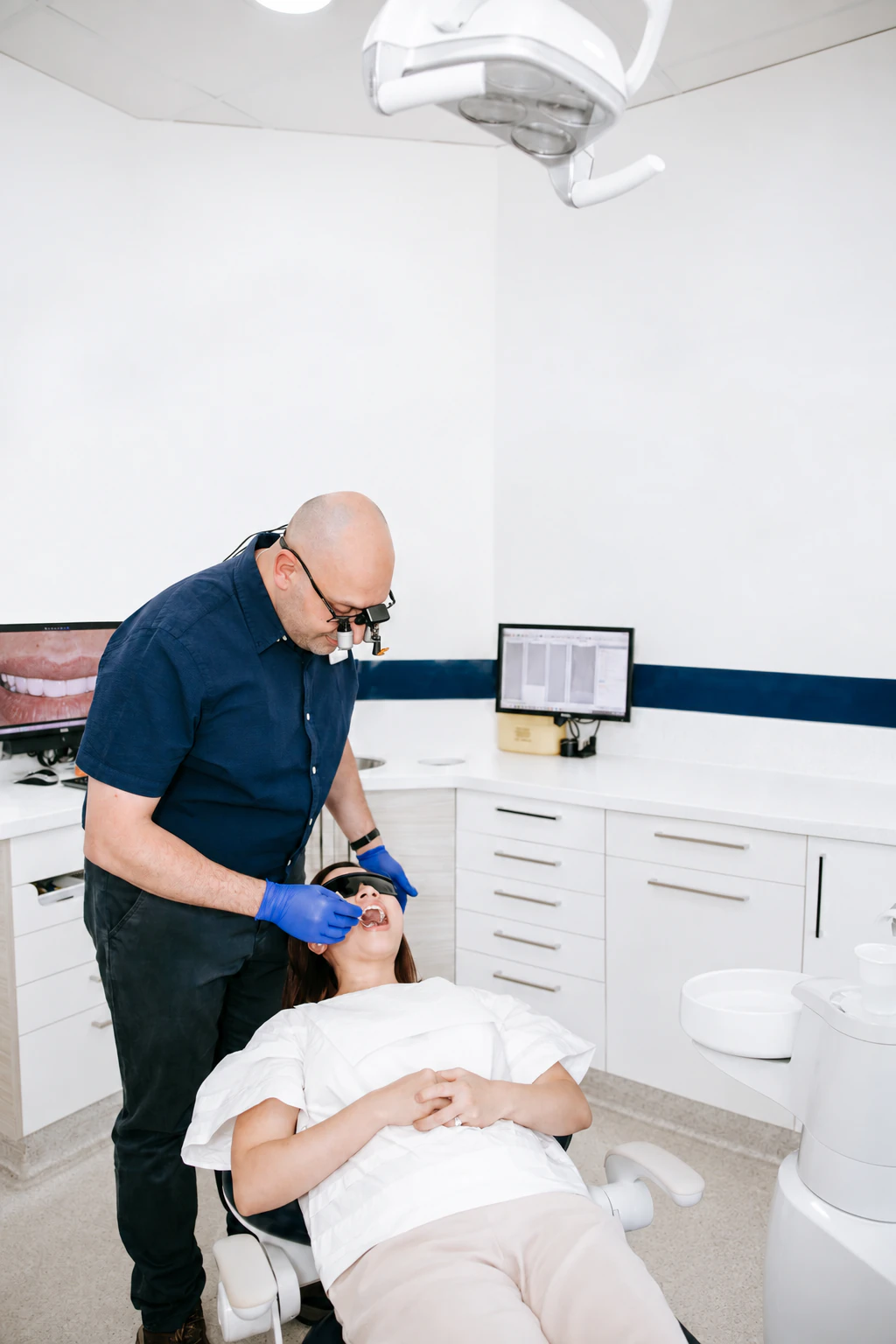
The order is usually the same, though your dentist will follow whatever you’ve come in about.
We’ll ask what you’ve noticed, when it started, whether anything hurts and how you feel about being here. It’s a conversation, not a quiz.
We go over your medicines, any health conditions and the dental work you’ve had before. New patients fill in a form first, so come a little early.
You’ll see one of our dentists, Dr Michael Shams, Dr Charles Tricoli or Dr Maddi Sheppard, or one of our oral health therapists, Rachael or Ann. They’ll check your teeth, gums, jaw, bite and the soft tissues of your mouth.
Before you leave, you’ll hear what’s healthy, what needs care and what can simply be watched. If there’s treatment to do, you’ll know the options and the fee before anything is booked.
If everything looks healthy, you’ll leave with a few tips that suit your mouth and a rough date for next time. We’ll send an SMS or email reminder when it’s due, so you don’t have to keep track.
If a tooth, your gums or your bite need work, your dentist will explain what they’d suggest, the other options, how soon it matters and what it costs. You don’t have to decide in the chair. Book the next visit when you’re ready.
Things can change between booking and the day. If a tooth starts to hurt, ring us and we’ll try to see you sooner. Trouble breathing, speaking or swallowing, or swelling near your eye or down your neck, needs a hospital: call 000 or go to the nearest emergency department.
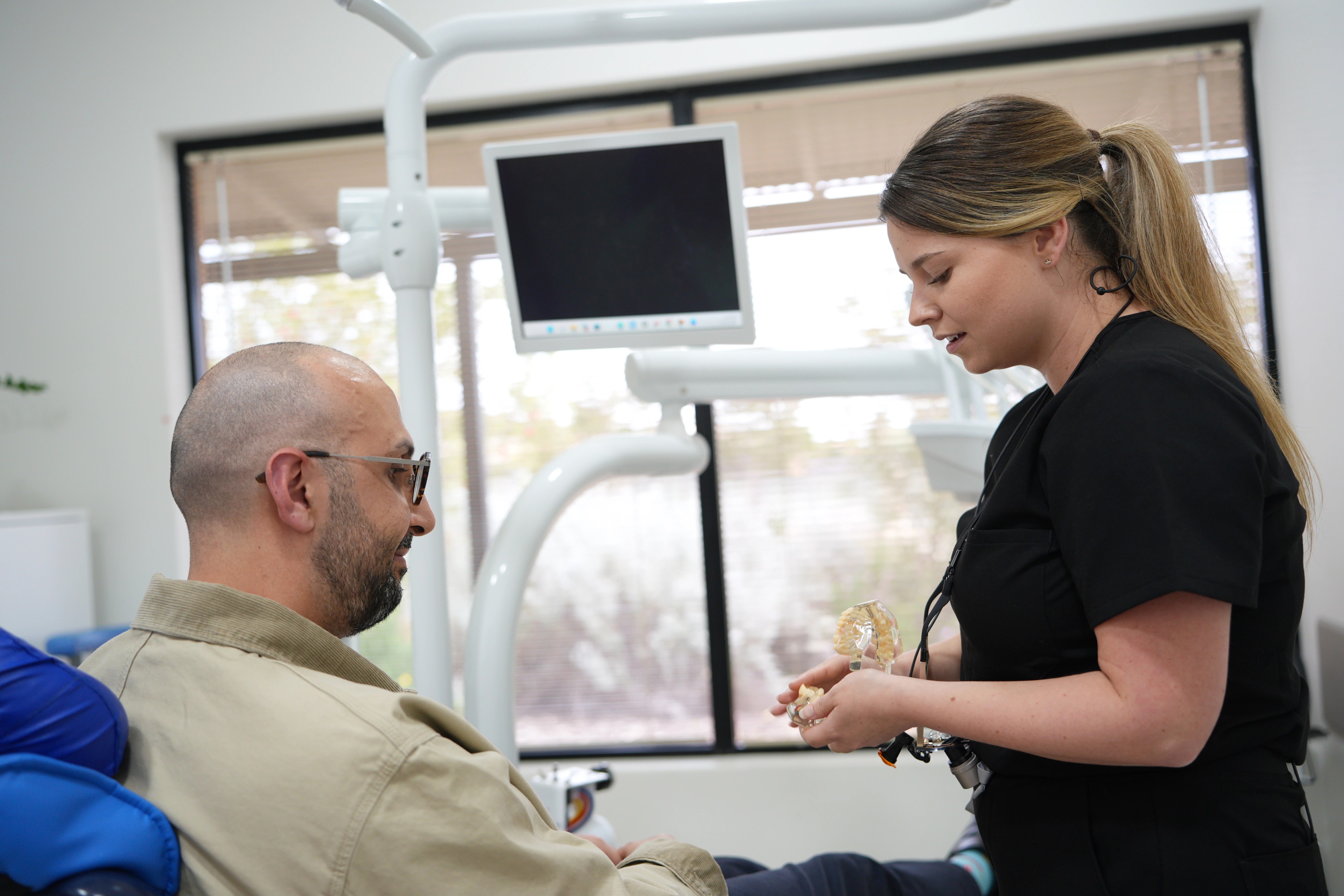
We’ll give you the fee for the check-up when you book. If treatment comes up, your dentist gives you the cost for that once they know what’s involved.
Book an AppointmentPrivate health fund claims are welcome. We’re a Bupa Members First, HCF and nib First Choice preferred provider, and HBF is accepted. What you get back depends on your cover and how much of your annual limit is left. Eligible DVA cardholders are welcome.
Book online any time, or call (08) 9407 7888. If it’s your first visit, it’s been a long while or something’s getting worse, mention it so we leave enough time.
1/6 Rothesay Heights, Mindarie WA 6030. Monday to Thursday 8am to 6pm, Friday 8am to 5pm, Saturday 8am to 1pm. Closed Sundays.
Depending on what turns up, one of these is often the next step:

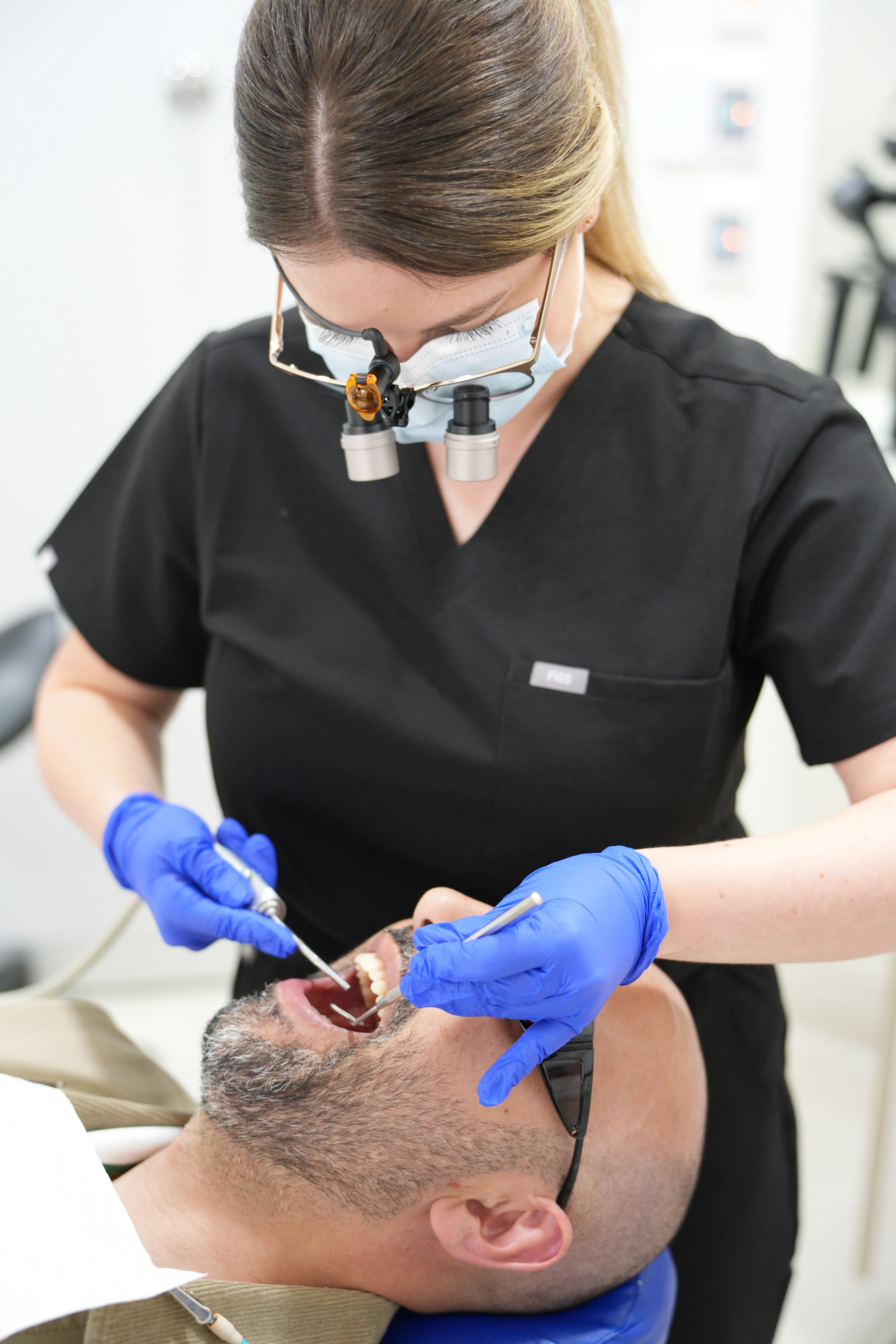


Whether it’s been one year or ten, these are the things people tend to ask us first.
Most adults every 6–12 months, and children usually every six months. If your gums need watching or you’ve had a lot of dental work, your dentist will suggest sooner. If things have been steady for years, the longer end is usually fine. Before you leave, we’ll tell you when you’re next due.
Yes. Most early problems are quiet: decay between teeth, early gum disease and a worn filling usually don’t hurt until they’re well along. Found early, they tend to need smaller fixes, so a mouth that feels fine is still worth a look.
Sources:
No. We take them when there’s something we can’t see by looking: decay between teeth, infection near a root, a tooth that hasn’t come through, or changes in the jaw. Ours are digital, which means a lower dose than the old film kind, and we’ll say what each one is for before we take it.
Sources:
Your teeth, gums, lips, tongue, cheeks, jaw and bite, after a chat about your health and dental history. At a first visit, you’ll also get brushing and flossing tips that suit your mouth, and an explanation of anything we found.
Sources:
Yes. You don’t need to get your teeth “ready” before you ring. A rough idea of how long it’s been is enough, plus anything that’s changed and whether nerves had something to do with it. Your dentist will sort out what needs care now and what can be spread over later visits.
Sources:
That depends on what you book, and we’ll tell you when you ring.
Sources:
A check-up is booked for the examination, so a filling or other treatment usually gets its own appointment. Something small can sometimes be done on the day, if there’s time and you’re happy to go ahead. Either way, you’ll hear the findings, the options and the cost first.
Your health fund card, a list of medicines and allergies, any recent X-rays or referral letters, and the questions you want answered. Come a little early to fill in the new patient forms. If you can’t find old records, book anyway; we’ll let you know if anything’s worth chasing up.
Yes. Mention the part that bothers you most when you book, whether that’s needles, the noise or a bad visit years ago, and your dentist will know before you sit down. Our dental anxiety page goes through how we slow things down.
Sources:
It goes in your notes, with what we’d suggest and roughly what it would cost. We’ll tell you which signs mean you should come back sooner. After that, the timing is yours.
Ring us soon if a toothache lasts more than two days, doesn’t ease with pain relief, or comes with a fever, a bad taste, pain when biting or swelling in your cheek or jaw. A knock, or a broken or loose tooth, needs prompt advice too. Trouble breathing, speaking or swallowing, or swelling near the eye or neck, means call 000 or go to the nearest emergency department.
Yes. Your dentist can bring up your X-rays and the camera photos on the chair-side computer and talk you through them as you go. It’s handy for a crack or a worn filling you’d never spot in a mirror.
Ring and say what’s going on: pain, swelling, bleeding, a broken tooth, food getting stuck, sensitivity, or just a long gap since your last visit. We’ll match it to the right booking, and if it sounds urgent, we’ll treat it as urgent.