Teeth and gums first
Decay, gum problems or other dental work get sorted before any tooth is moved.

You’ve probably seen a friend pop their trays out at lunch and thought, could that work for me? Asking for Invisalign® by name is a fine place to start. The visit still begins with your teeth, gums, bite and daily routine, and once we’ve examined them you’ll hear what a plan would involve and what it would cost.

The name on the box can’t tell you whether the system suits your teeth or your week. We check your gum health, where your teeth sit, your bite and your history first. Invisalign® is a registered trademark of Align Technology, Inc.
Decay, gum problems or other dental work get sorted before any tooth is moved.
We look at what you’d like straighter, how your teeth meet and how far they’d need to move.
Removable trays only work when they’re worn as prescribed, so we’ll ask about work, school, sport or anything else in your week that could get in the way.
Some parts of your dental history change what aligners can do. Crowns and fillings, gum problems, earlier braces and a routine that makes wearing trays hard are all worth raising before a plan is drawn up.
Bleeding, sensitivity, loose teeth or recent dental work are treated before any movement is planned.
Invisalign® is one brand of clear aligner. Another aligner system, fixed braces or simply monitoring can suit a different set of findings. We compare what each would actually involve for you, rather than treating brand names as if they’re all the same.
Once you’ve been examined, you’ll know what the plan covers and what to ask before saying yes.
At your first visit, ask what records are needed before a plan can be drawn up. If you go ahead with aligners, ask when your dentist will check the tray fit and how they’ll review your progress.
We talk through what you’d like to change and your history, examine your teeth, gums and bite, and take the records needed to plan.
You see how the teeth would move, what the plan covers and the estimate, with the alternatives beside it.
If you go ahead, you wear the trays in order, with check-ins along the way. Ring us if the fit or your gums change.
A retainer then holds the teeth in place, worn as your dentist advises.
The Australian Dental Association advises taking clear aligners out to eat and for any drink other than water, then cleaning your teeth and the trays before they go back in. Your plan sets the exact routine, so ask what to do if a tray is lost, damaged, sore or stops fitting.
Keep up your usual check-ups and cleans while your teeth are moving. Ring us about soreness that won’t settle, gum changes, a new dental problem or a tray issue, rather than changing the order yourself.
Aligner treatment can rub and irritate the mouth, and poor cleaning raises the risk of tooth decay, staining or gum infection. If the retainer isn’t worn as advised, the teeth can drift back. Your dentist will go through the risks, limits, alternatives and retention plan that apply to you before you consent.
We’re still confirming our current Invisalign® prices and what they include, so we won’t quote a figure here. After your examination, ask for the estimate to show the scope, the planning, the tooth movement, retainers and any single-arch or extra costs, line by line.
Book an AppointmentBook online or call (08) 9407 7888. Mention Invisalign® when you book, so we know what you’d like to talk about.
After your examination, we’ll confirm whether the plan covers the top teeth, the bottom or both, with the current price and what it includes.
We accept private health fund claims, but orthodontic rebates, limits and waiting periods depend on your policy. Our payment options page covers Zip and in-house plans.
You’ll find us at 1/6 Rothesay Heights, Mindarie WA 6030, open until 6pm Monday to Thursday, 5pm on Friday and 1pm on Saturday, from 8am each day. We’re closed on Sundays.
These help you keep brand questions apart from general aligner questions while you work out what to ask.


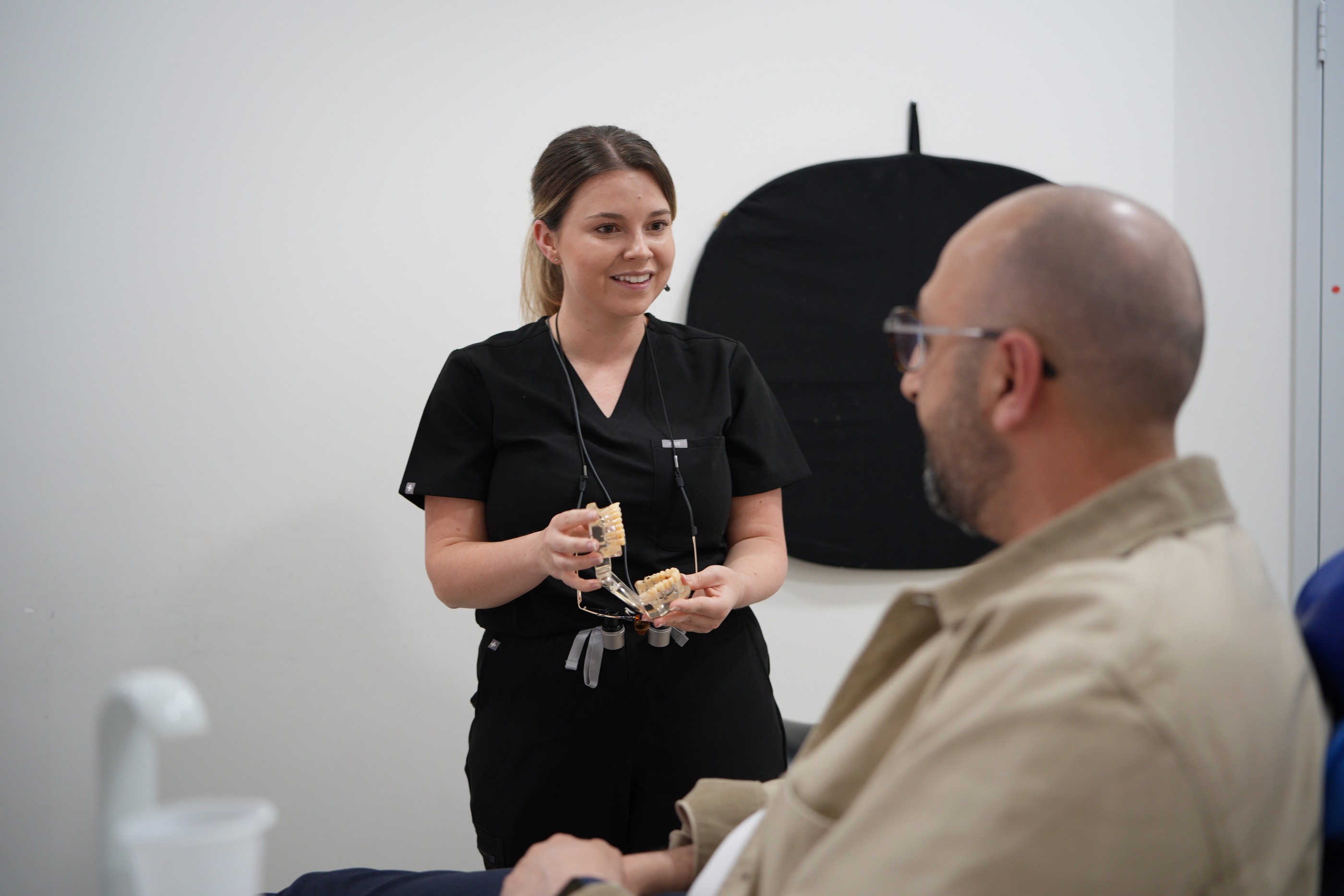

If you’ve searched for Invisalign® by name, you probably want two answers: will it work for my teeth, and what does the price include? Here’s how to get both.
It’s one brand of them. Clear aligners are the general type, and Invisalign® is a particular system. The brand name alone doesn’t tell you whether another aligner plan has the same scope, check-ins, price or retainer arrangement.
Your dentist will describe the Invisalign® plan being proposed and how it compares with other aligners, if that’s relevant. Our clear aligners page covers the general picture.
Adults can ask for themselves, and parents for their children, but age alone doesn’t decide whether it suits. We look at gum health, your bite, where the teeth sit, earlier treatment and the routine the plan would need.
When you book, say what you’d like checked, and bring your dental or orthodontic history. At the visit, ask why Invisalign® is being suggested and what other options or limits apply to your mouth.
We’re still confirming our current Invisalign® starting prices and what they include, so there’s no figure on this page. A starting price is the lowest figure for a plan, and yours depends on how far your teeth need to move and whether it’s one arch or both. After your examination, ask for a written plan showing the scope and any fixed costs, including how the retainer is arranged, and go through it with your dentist before agreeing to treatment.
Yes. Crowns, bridges and gaps don’t rule you out, but they do change how, and how far, the teeth can be moved. We also look at your bite, your gums, the existing work and exactly which movements you’re after.
Bring any records of earlier dental or orthodontic work. We’ll explain how the crowns or gaps affect the plan, and whether another approach, or leaving things as they are, would make more sense.
That’s really common. Teeth often drift after braces, especially once the retainer stops being worn, so your bite can be quite different from when treatment ended. We’ll want to know what you wore, when it finished and whether you still wear a retainer.
Bring your old retainer if you still have it. We’ll tell you which part of the change the plan would correct, and what kind of retainer you’d wear afterwards.
Most clear-aligner plans mean about 20–22 hours of wear a day for around 6–18 months. Your own Invisalign® timeline depends on how far the teeth need to move, how they respond and what we see at check-ins.
Before you agree, ask about the stages, the check-ins and what to do if a tray stops fitting. If the routine gets hard to keep up, ring us rather than changing the order yourself.
Take the trays out to eat and for any drink other than water, then brush your teeth and clean the trays before putting them back. Follow the cleaning method in your own plan rather than a general rule for every tray.
We’ll show you how to clean them, and what to do if a tray keeps coming out, gets stained or feels sore. The written instructions live with your case, and if anything changes between check-ins, ring us.
Ring us, and don’t skip ahead or change trays until we’ve talked. What you do next depends on which tray it is, what happened and whether anything feels sore or different.
Keep the case and the damaged tray, and note when it happened. Let us know which tray number you’re on, and your dentist will tell you what to do from there.
Yes. Braces, another aligner system or simply monitoring can all come up instead of Invisalign®. Which makes most sense depends on your bite, the movement needed, your gums, earlier treatment and how practical the daily routine is.
Your dentist will explain why Invisalign® is being suggested, what each alternative would involve and what leaving things alone would mean, so the choice rests on your mouth and not the brand name.