Go to hospital or call 000
Call 000 or go to the nearest emergency department for any of these, or for a head or jaw injury.
- Spreading swelling near the eye or neck.
- Swelling with a fever.
- Trouble breathing or swallowing.
- Bleeding that won’t stop.

If you’re reading this with a throbbing tooth, or a broken piece of one in your hand, start with the section just below. It tells you who to call and how soon. The rest of the page can wait.

If you’re not sure which of these fits, call anyway. Working it out together is part of what we do on the phone.
Call 000 or go to the nearest emergency department for any of these, or for a head or jaw injury.
Call (08) 9407 7888. We’ll ask a few quick questions and tell you how soon you need to be seen.
Stable problems that still need a proper look. Request a time that suits you.
These won’t fix the problem, but they protect the tooth and make the wait easier. If anything on the 000 list above applies, that comes first; the tooth can wait.
If it’s dirty, rinse it briefly in milk, or under cold running water for no more than 10 seconds. Don’t scrub it. Gently push it back into the socket, then bite on a clean cloth to hold it there. If it won’t go back in, keep it in milk. Saliva works too: an adult can hold it inside their cheek, but don’t do this with a young child. Never store it in water. Get to a dentist straight away, because every minute counts. During opening hours, call us. If we’re closed, call our number for guidance or go to the nearest emergency department.
Press a clean cloth on the gum and call us. Not sure whether it’s a baby or adult tooth? Don’t put it back. Keep it in milk and call.
Bite gently on a clean cloth to keep it still, and call us.
Ask your pharmacist which one suits you, and follow the packet. Never hold an aspirin against the gum, because it burns the skin.
Hold a cold pack wrapped in a cloth against your cheek, 20 minutes on and 20 minutes off.
Half a teaspoon of salt in a glass of warm water.
For urgent dental appointments, call (08) 9407 7888 before heading to our Mindarie clinic at 1/6 Rothesay Heights. We’ll let you know how soon you can be seen.
Outside our opening hours, call (08) 9407 7888 for guidance. For health advice at any hour, you can also call healthdirect on 1800 022 222.
You’ll be seen by one of our dentists: Dr Michael Shams, Dr Charles Tricoli or Dr Maddi Sheppard.
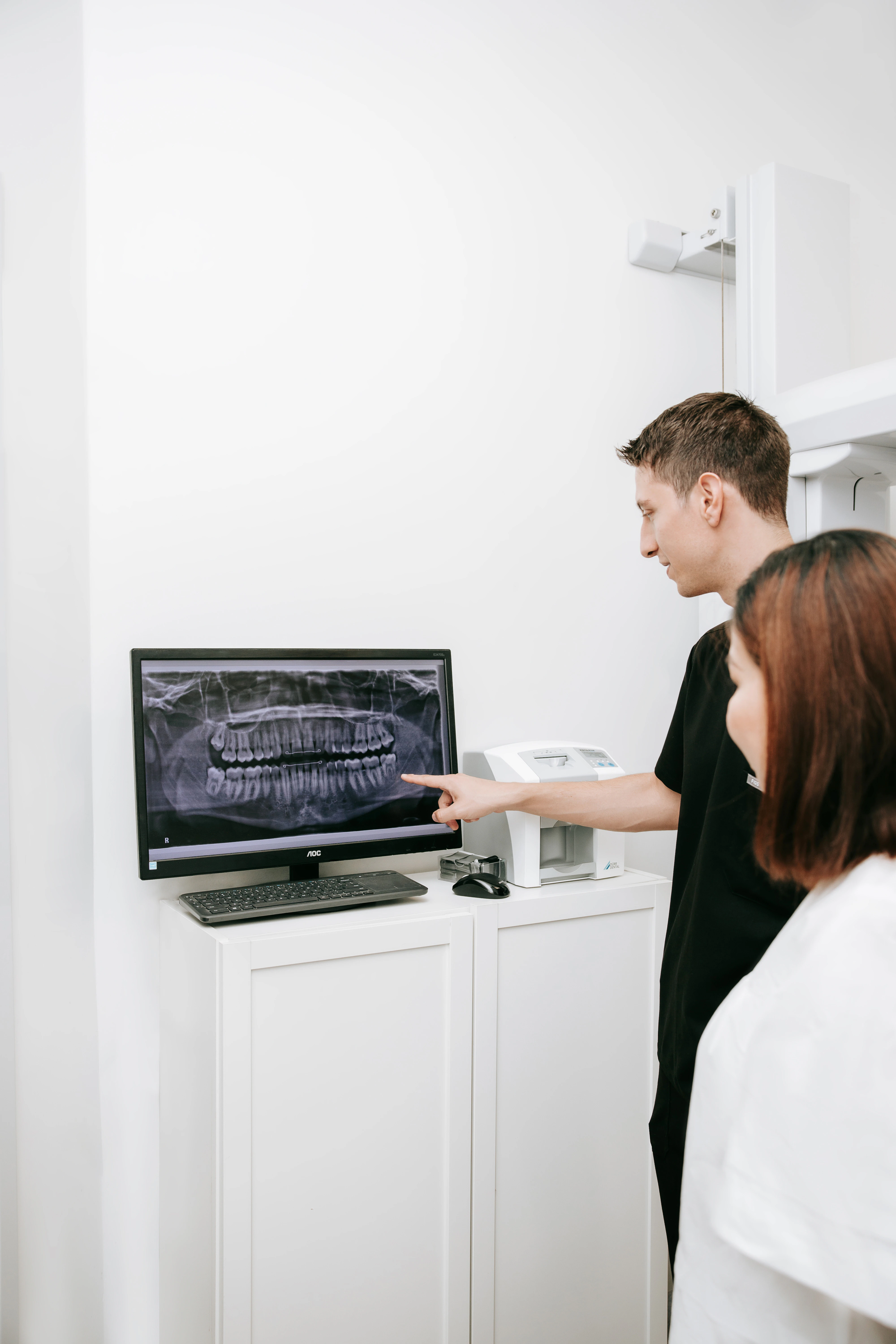
Call the ClinicThe first job is to find the cause and get you comfortable. We’ll look at the tooth, usually take an X-ray, and numb the area before doing anything that could hurt.
Sometimes the problem can be fixed at that visit. Other times we’ll settle the pain first, by calming an inflamed nerve, smoothing a broken edge or placing a temporary filling, and finish the job at a second appointment. If the full fix needs another visit, such as finishing a root canal or making a crown in the lab, we’ll explain why and what it will cost before you go home.
When a tooth can’t be saved, we’ll say so plainly and talk about taking it out. You don’t need to decide how to replace it on the day.
We’ll want to know what happened and when, where it hurts, whether there’s any swelling, and what you’ve taken for the pain so far. Tell us if you take blood thinners or have a heart condition, because it changes how we plan treatment.
Call the ClinicEach page explains what usually causes it, what helps while you wait, and what treatment involves.
Quick answers to what people ask us most when something’s gone wrong, from timing and cost to children’s teeth.
We offer same-day assessment for dental pain, broken teeth and knocked-out teeth. Call as early in the day as you can, and we’ll give you the earliest time available.
When you ring, we’ll ask what happened and when it started, so your dentist knows what to look at first. We’re open Monday to Thursday 8am–6pm, Friday 8am–5pm and Saturday 8am–1pm.
Ringing after we’ve closed? Call the same number for guidance. For health questions at any hour, healthdirect is on 1800 022 222.
Treat pain, swelling, bleeding, or a knocked-out or loose tooth as urgent, and call us. A chip that doesn’t hurt, or a lost filling, can usually wait a few days. Call anyway, so we can book the right length of appointment.
On the phone, the team will check when it started, whether it’s getting worse and whether anything was knocked, which tells your dentist how soon to see you.
If something changes while you wait, such as new swelling or pain that tablets stop touching, call us again so we can rethink the timing.
Go to hospital, or call 000, if swelling is spreading towards your eye or neck, you’re struggling to breathe or swallow, bleeding won’t stop, or there’s been a head injury. For everything else, a dentist is the right place. Hospital emergency departments can manage pain and infection, but they usually can’t fix the tooth.
Those problems can affect your airway or point to an injury beyond the teeth, so hospital care comes first.
Once you’re safe, call us on (08) 9407 7888 so a dentist can check the tooth and gum.
Not on their own. Antibiotics can help control an infection that’s spreading, but they don’t remove the cause. The tooth still needs treatment, such as root canal treatment or taking it out, or the infection usually comes back.
Swelling, a bad taste or a pimple on the gum can all point to an infection. A dentist checks the tooth, often with an X-ray, to find where it’s coming from.
If swelling spreads towards your eye or neck, or comes with a fever, call 000 or go to the nearest emergency department. Otherwise, call us so the cause can be treated.
We numb the area before treating anything painful, and check it’s numb before we begin. You may feel pressure, but it shouldn’t be sharp. If you need a break, raise your hand and we’ll stop.
Your dentist explains each step before starting, and checks in with you as the treatment goes, so you know what’s coming next.
Mention any worries about needles or numbing when you call, so your dentist can talk them through with you first.
Don’t try to put a baby tooth back in, because it can damage the adult tooth growing underneath. Keep your child calm, press a clean cloth on the gum if it’s bleeding, and call us so we can check the area.
An adult tooth is different: put it back if you can, or keep it in milk, and get to a dentist straight away. If you’re not sure which kind it is, don’t put it back.
Call us with your child’s age and what happened. If your child hit their head or seems dizzy or confused, call 000 first.
Call us straight away and describe where the swelling is, when it started and whether it’s spreading. A bad taste, a pimple on the gum or a fever all point to an infection that needs a dentist soon.
Hold a cold pack wrapped in a cloth on the outside of your cheek, 20 minutes on and 20 minutes off, and sleep with your head raised. Skip heat, and don’t put garlic or other home remedies on the gum.
If the swelling spreads towards your eye or down your neck, or you have trouble breathing or swallowing, call 000 or go to the nearest emergency department. Don’t wait to ring us first.
If it doesn’t hurt, it can usually wait a few days. Keep a crown in a small container, cover any sharp edge with dental wax from the chemist, chew on the other side and skip icy drinks.
When you come in, your dentist checks the tooth underneath for decay or cracks before deciding how to repair it. A crown that simply came loose is a different job from one that came away with part of the tooth, which often needs a new lab-made crown.
Call sooner if the tooth hurts, there’s swelling or a bad taste, or a sharp edge is cutting your tongue. Never glue a crown back with household glue; bring it with you instead.
Over-the-counter pain relief is fine as long as you follow the packet. Ask your pharmacist which one suits you, especially if you’re pregnant, have allergies, take blood thinners or other medicines, or it’s for a child. Never hold an aspirin against the gum; it burns.
Pain relief takes the edge off, but it doesn’t treat the cause. If tablets are only just holding the pain, or there’s swelling, a fever or a bad taste, the problem still needs a dentist soon, even on a day it feels better.
Call us if the pain is strong or getting worse. Mention what you’ve taken and when, so your dentist can plan the numbing and any medicine around it.
Call us with your child’s age, what happened and whether the tooth is a baby tooth or an adult one, if you know. Mention bleeding, swelling, pain, broken pieces or any other injury to the mouth or face.
Never put a baby tooth back; it can damage the adult tooth growing underneath, and if you’re unsure which it is, leave it out. A knocked-out adult tooth is different: put it back if you can, or keep it in milk, and see a dentist straight away, ideally within 30 minutes.
Call 000 first if your child hit their head hard or seems drowsy or confused. Bring their Medicare card in case they’re CDBS-eligible.
Mild sensitivity that comes and goes can usually wait a day or two. Constant pain, pain that wakes you, pain when you bite, swelling, a fever or a bad taste shouldn’t wait; a dentist needs to see those soon.
Toothache can come from decay, a crack, gum infection, a high filling or even your sinuses, and they feel surprisingly alike from the inside, so guessing at home isn’t reliable. When you call, we’ll ask when it started and what sets it off, which helps us judge how soon to see you.
If the pain is severe, getting worse or comes with swelling, call us today. If it’s mild and steady, book in the next few days and ring sooner if anything changes.
Often, when the cause isn’t obvious from looking. An X-ray shows what we can’t see in the mouth: infection around a root, decay under a filling, the line of a crack, or how the bone and roots look after a knock.
We use digital X-rays, which need less radiation than traditional film and are ready quickly, so your dentist can show you the image and explain it. If you’ve had X-rays elsewhere recently, mention it.
Mention pregnancy or any worry about X-rays before we start, and ask us what the image should show before you agree.
Say so when you call; it’s a common worry, and it won’t change how we look after you. We can’t quote properly until we’ve looked, because the cost depends on what we find, whether an X-ray is needed and what can be done at that visit.
After the examination, your dentist will go through the likely fees and item numbers before starting, and we’ll point you to our payment options if the bill is bigger than planned.
If you have private cover, CDBS or DVA, bring the relevant details to the fee discussion.
Follow the instructions your dentist gives you for that tooth, because aftercare depends on what was done. A temporary filling, a smoothed edge, a drained abscess and a started root canal each come with their own do’s and don’ts.
Some tenderness for a few days is normal. Pain that gets worse instead of better, swelling that spreads, a fever or bleeding that won’t settle is not, so call us. If breathing or swallowing is affected, call 000.
Before you leave, check you know what to avoid, when to come back, and which changes mean you should call us or go to hospital.
Many can. It comes down to how much of the tooth has broken, whether the nerve is exposed, whether the crack runs into the root, and whether there’s infection. A small chip and a tooth split down the middle are very different jobs, and we treat them that way.
A chip can often be smoothed, or rebuilt with tooth-coloured bonding in one visit. A bigger break may need a crown, or root canal treatment if the nerve is involved. If a crack runs deep into the root, the tooth sometimes has to come out.
Bring any broken pieces in milk and chew on the other side until you’re seen. Your dentist will tell you plainly what can be saved, what each option involves and what it’s likely to cost.