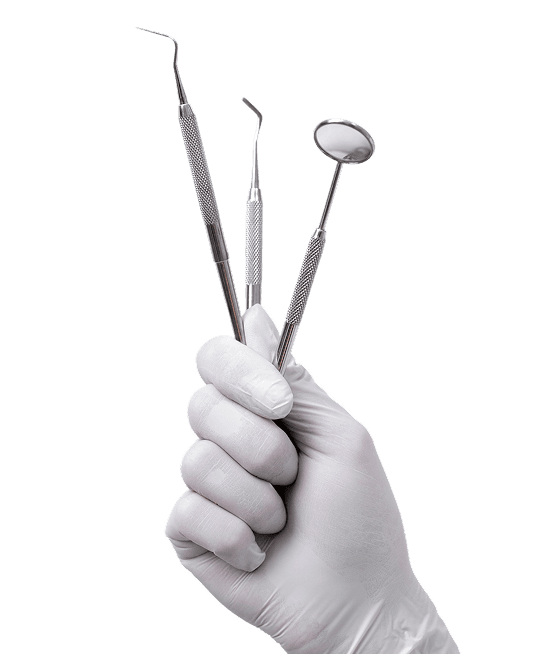
One of our dentists examines your teeth, bite and jaw before any next step is suggested.
A dental check before anything else
Cosmetic procedures in Mindarie, starting with a dental check
Back teeth that are slowly wearing flat often come from clenching or grinding you don’t know you’re doing, a lot of it while you’re asleep. Come in and we’ll check the teeth, the bite and how your jaw moves, then tell you honestly what that does and doesn’t explain. The next step might be keeping an eye on it, dental care, a night guard or a referral.
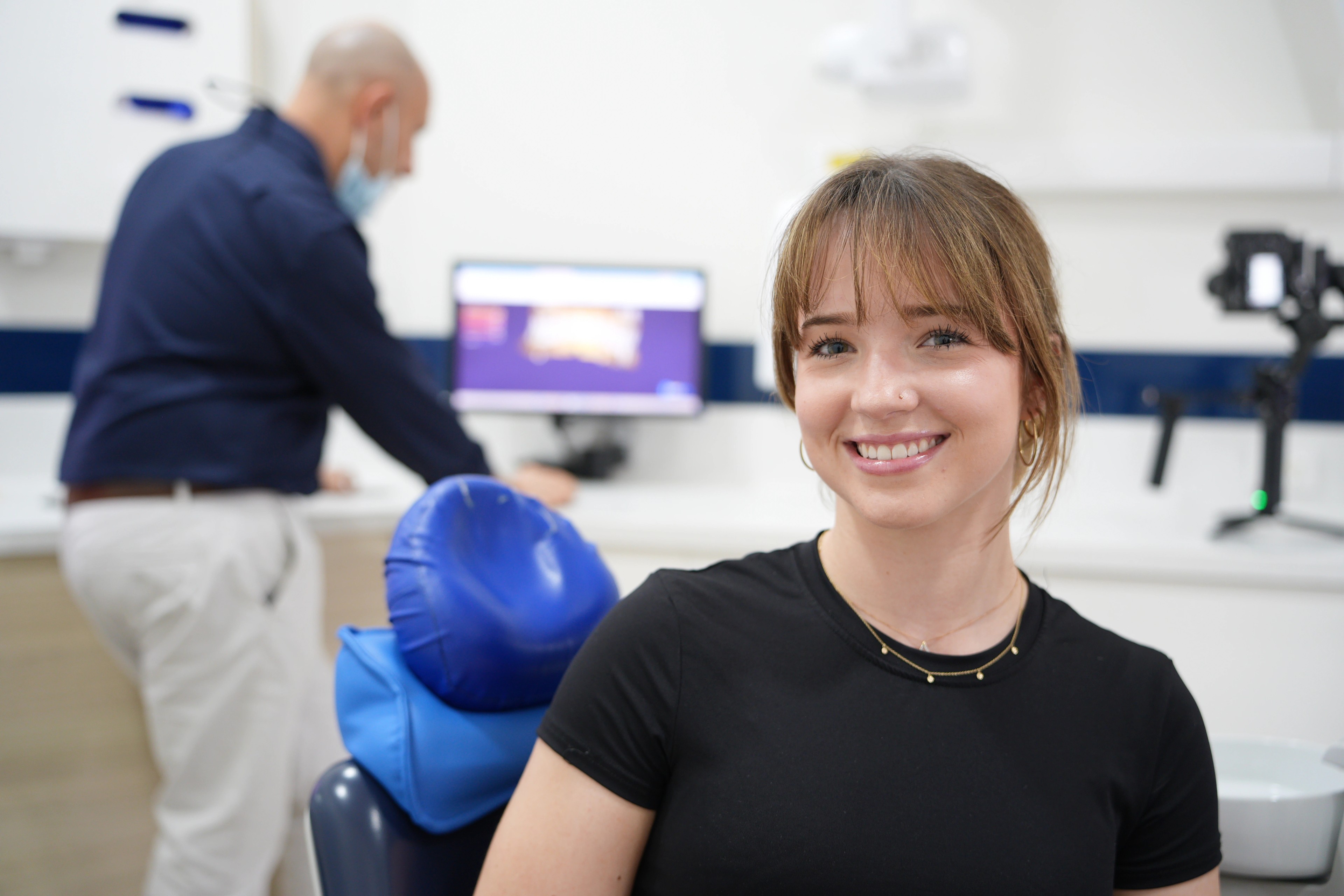
Checks happen in our QIP-accredited clinic at 1/6 Rothesay Heights, Mindarie.
Dr Michael Shams has practised since 2002 and led Anchorage for 14+ years.
What your jaw’s telling you
A tight jaw, clenching or teeth wearing down
For some people it’s an ache along the jaw first thing in the morning. For others it’s a headache that starts at the temples, or a filling that keeps breaking on the same side. Say when it started, and mention any knock, swelling or fever.
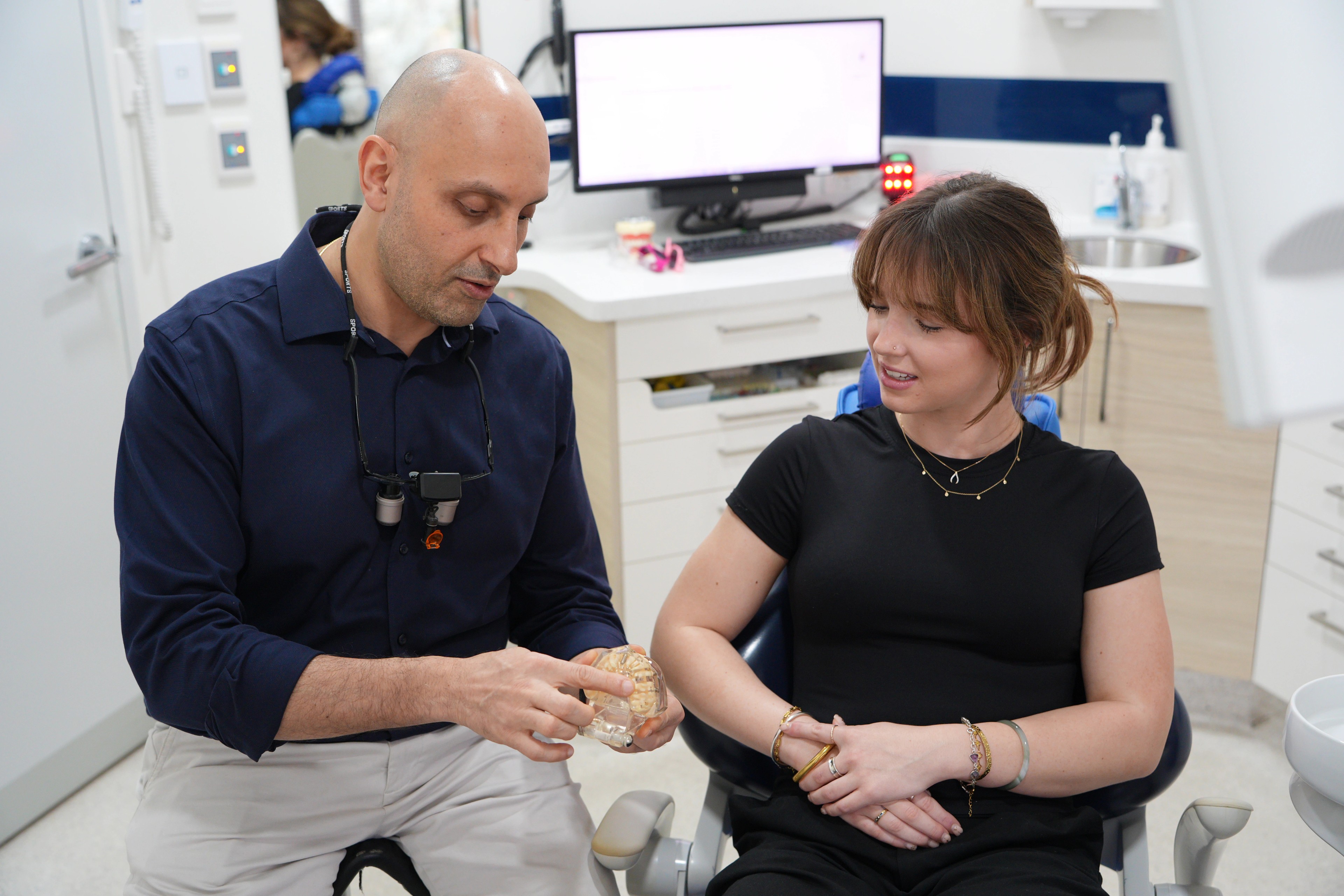
We examine the teeth, fillings, bite and how the jaw moves. If that doesn’t explain all of it, we’ll say so, and tell you what to watch, whether more checks are needed or who to see next. Nobody will offer you a procedure on a guess.
Picking the right visit
Which visit suits a jaw or bite worry
This check is separate from cosmetic dental treatment. It’s about what the dental signs point to, before any procedure is talked about.
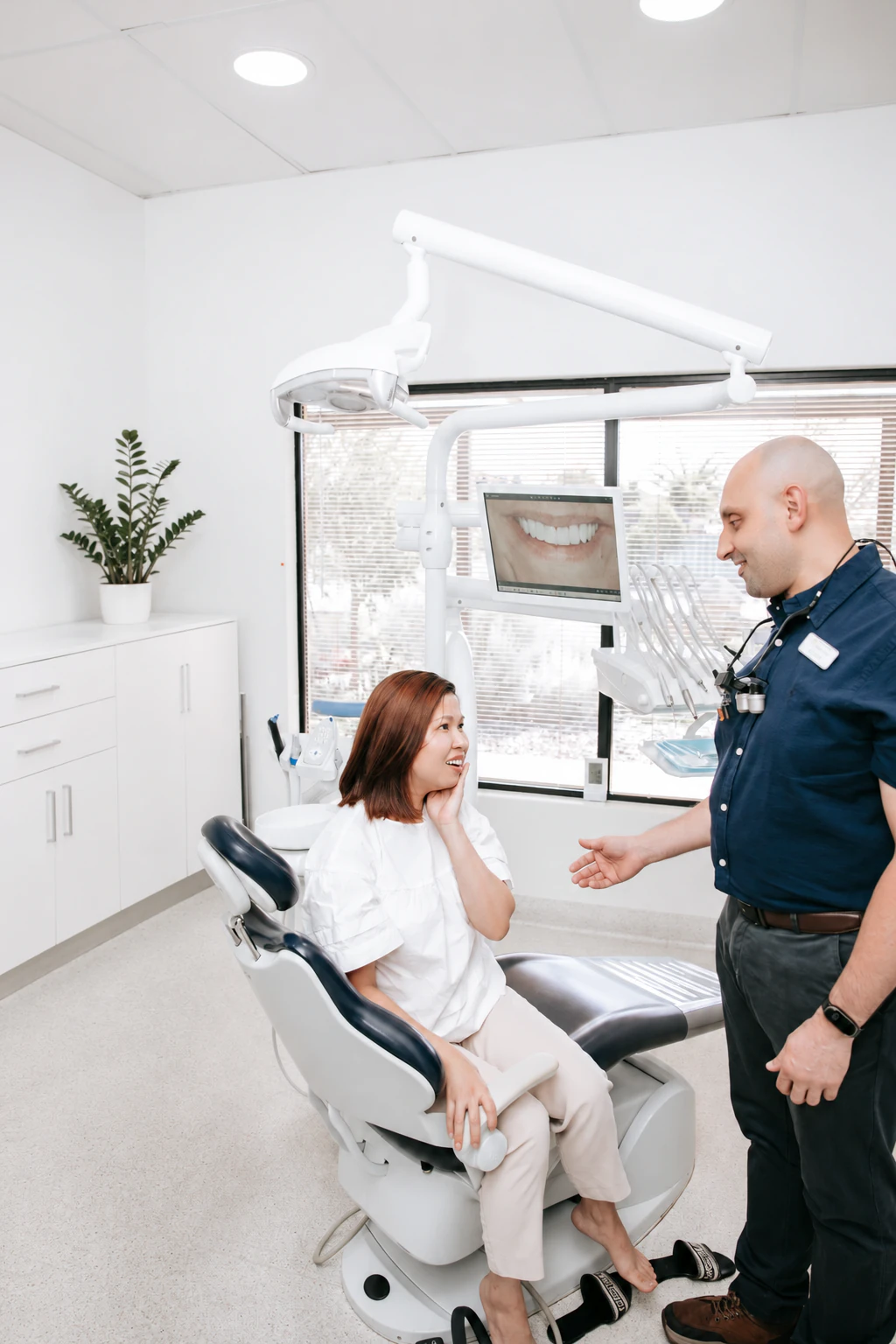
Jaw-muscle check
We check the jaw muscles, teeth and health history, then say whether the next step is watching it, dental care, a night guard or a referral.


General dental check
If worn teeth, a changed bite, sensitivity or an old filling is part of it, a regular check-up is often the right place to start.

Meet the dentists
Read about our three dentists, then let us know what you’d like checked so we book the right appointment.
The check itself
How a jaw check works, step by step
We cover what you’ve noticed, your health history and what the dental findings actually show.
Your story
What you’ve felt
The jaw ache, the worn teeth or the change in movement, when it started and what you’d like to know.Cosmetic procedures planning
What a jaw check costs, and what it covers
The first visit is a dental examination with its own fee, which we can tell you when you book. Any next step, like a night guard, a repair or a referral, comes with its cost before you agree to it.
Book an Appointment
The examination comes first
We check your teeth, bite, jaw movement and health history first. What happens next, and what it costs, follows from what we find.
Funds, rebates and payment
We accept private health fund claims and are preferred providers for Bupa, HCF and nib. An examination or a night guard can attract a rebate, depending on your policy. Payment plans are available too.
What’s on the estimate after a jaw check
If we suggest a night guard, a repair or more checks, the estimate lists each item, its item number and when it’s due. A night guard is usually ready in 1–2 weeks, with a fitting visit.
Examination first
We check your teeth, bite and jaw, then tell you whether anything further is needed and what it would cost.
- A note of when your jaw feels tight or tired helps the check.
- We’ll say whether a night guard, a repair or a referral is being suggested.
Dental Professionals
Who checks your jaw and bite
Any of our three general dentists can check worn teeth, signs of clenching and your bite. If what they find points beyond dentistry, they’ll tell you who to see next.

Principal Dentist
Dr Michael Shams
AHPRA Reg. DEN0001580551
Graduated from UWA in 2002 and has led Anchorage since 2011. Enjoys the bigger restorative and cosmetic work, from veneers to restoring implants.
General Dentist
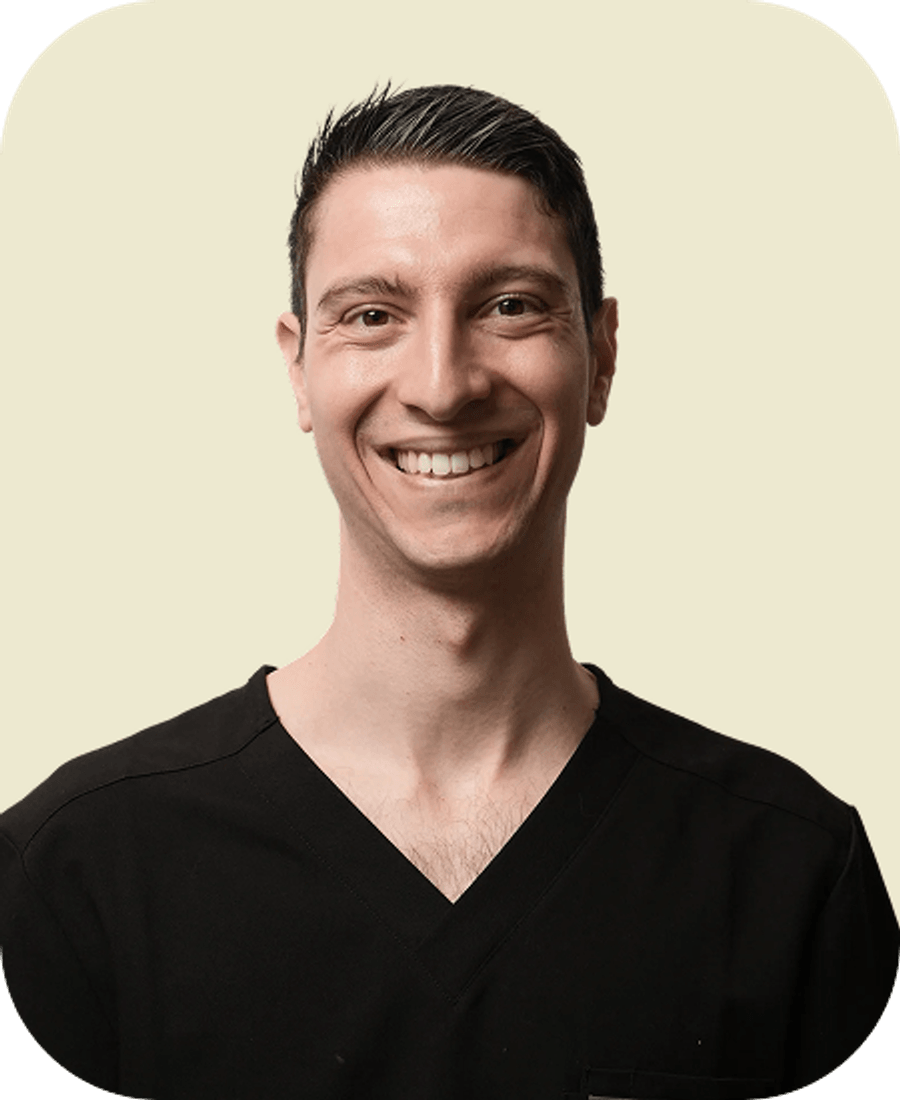
Dr Charles Tricoli
AHPRA Reg. DEN0002559634
Trained at UWA, graduating in 2021. His focus is preventive and restorative care: catching problems early and fixing them simply.

General Dentist
Dr Maddi Sheppard
AHPRA Reg. DEN0002871674
Trained at the University of Sheffield and moved to Perth in 2024. Has a soft spot for children, nervous patients, and anyone who wants to talk about their pets.
Different questions, different visits
A jaw worry and a smile worry are separate visits
A tight jaw and a smile you’d like to change get looked at in different appointments. Pick the one that matches what’s on your mind.
Cosmetic dentistry
For colour, shape, spacing or smile questions, book a cosmetic dental visit.
See cosmetic dentistry
Jaw-muscle check
Start here if your jaw feels tight, tired or sore when you chew.
Read the jaw-muscle pageFacial concern information
Got a question about your facial appearance? Read the consultation information, then ring us to check the appointment, who would see you and the fee.
Read the consultation informationJaw questions

Questions about a tight or tired jaw
What people ask when their jaw aches or their teeth look worn: what to say when they ring, what the check shows, what it costs and when it’s urgent.
Use everyday words: tight, tired, clenching, grinding, worn teeth, sensitivity, a bite that feels different or a jaw that won’t open fully. Say when it started, and whether there’s been a knock, swelling, fever or a bad taste.
That tells your dentist what to look at first. A symptom on its own doesn’t show the cause, and the next step could be dental care, a night guard, keeping an eye on it or a referral.
Ring (08) 9407 7888 or request an appointment online and describe the main change. We’ll book a jaw and bite check and let you know what to bring.
No. Jaw tension, clenching and worn teeth can each have more than one cause, and feeling it doesn’t give you a diagnosis. It also doesn’t mean any particular treatment will be offered.
Your dentist checks your teeth, fillings, bite and how your jaw moves, along with your medical and dental history. What they find could point to monitoring, dental care, a night guard or a referral.
It helps to note when the tension comes on and what makes it better or worse, so the check has something to work from.
Your dentist listens to what’s been happening, then examines your teeth, fillings and crowns, your bite and how your jaw opens and moves. They’ll ask when it began and whether clenching, grinding or a knock is part of the story.
The examination shows what the dental signs can and can’t explain. It doesn’t start from the idea that a cosmetic procedure is the answer.
Mention any pain, swelling, fever or bad taste at the start. Before you leave, you’ll know whether the next step is monitoring, dental treatment, a night guard or a referral.
We’ll tell you what the examination did and didn’t show. If your teeth, fillings, bite and jaw movement don’t account for all of it, the next step could be keeping a record, another check or a referral to a GP or physiotherapist, rather than a dental procedure that wouldn’t answer it.
Let your dentist know if the symptom is changing, spreading or comes with swelling, fever, a bad taste or a jaw that won’t open properly. Those details change how quickly you need help, and whether a doctor should see you.
We’ll tell you which signs to watch, who should look at the part that’s still unexplained and when to ring us again.
The first visit is a dental examination with its own fee, and we can tell you what it is when you book. Anything after that depends on what your dentist finds and what you agree to, such as a night guard or a repair.
We accept private health fund claims and are preferred providers for Bupa, HCF and nib, but your rebate, limits and gap depend on your policy. Once you have the item numbers from us, your fund can tell you what it would pay back.
You’ll have the cost of any next step in front of you before you agree to it.
Partly. The examination shows the effects of clenching or grinding on your teeth, fillings and bite. It won’t always explain the cause, so we’ll also ask about your health, when it started and whether stress or a knock is involved.
The next step could be monitoring, a custom night guard, dental repairs or a referral. Our night guards are made from an impression and are usually ready in 1–2 weeks, with a fitting visit.
We’ll also tell you what still needs looking at by someone else.
Recent treatment plans, X-rays or details of dental work on the teeth involved. Note when the tension, wear, bite change or stiffness began, whether it changes through the day, and whether clenching, grinding, a knock or swelling is part of it.
Your medical history matters too, so your dentist has the full picture. You don’t have to decide on any treatment before the examination.
If you have one big question, start with that. We’ll go through what the findings mean and what happens next.
Ring us straight away for new or worsening tooth pain, swelling, fever, a bad taste, a broken tooth or a jaw that won’t open or close properly. Tooth pain and broken teeth can be seen for a same-day assessment. These need a dental check, not a cosmetic appointment.
If swelling affects breathing, speaking or swallowing, spreads around the face, eye or neck, or you feel seriously unwell, call 000 or go to the nearest emergency department.
When you ring, say what changed, when it started and whether it’s spreading, so we can get you to the right care.