The teeth it has to fit
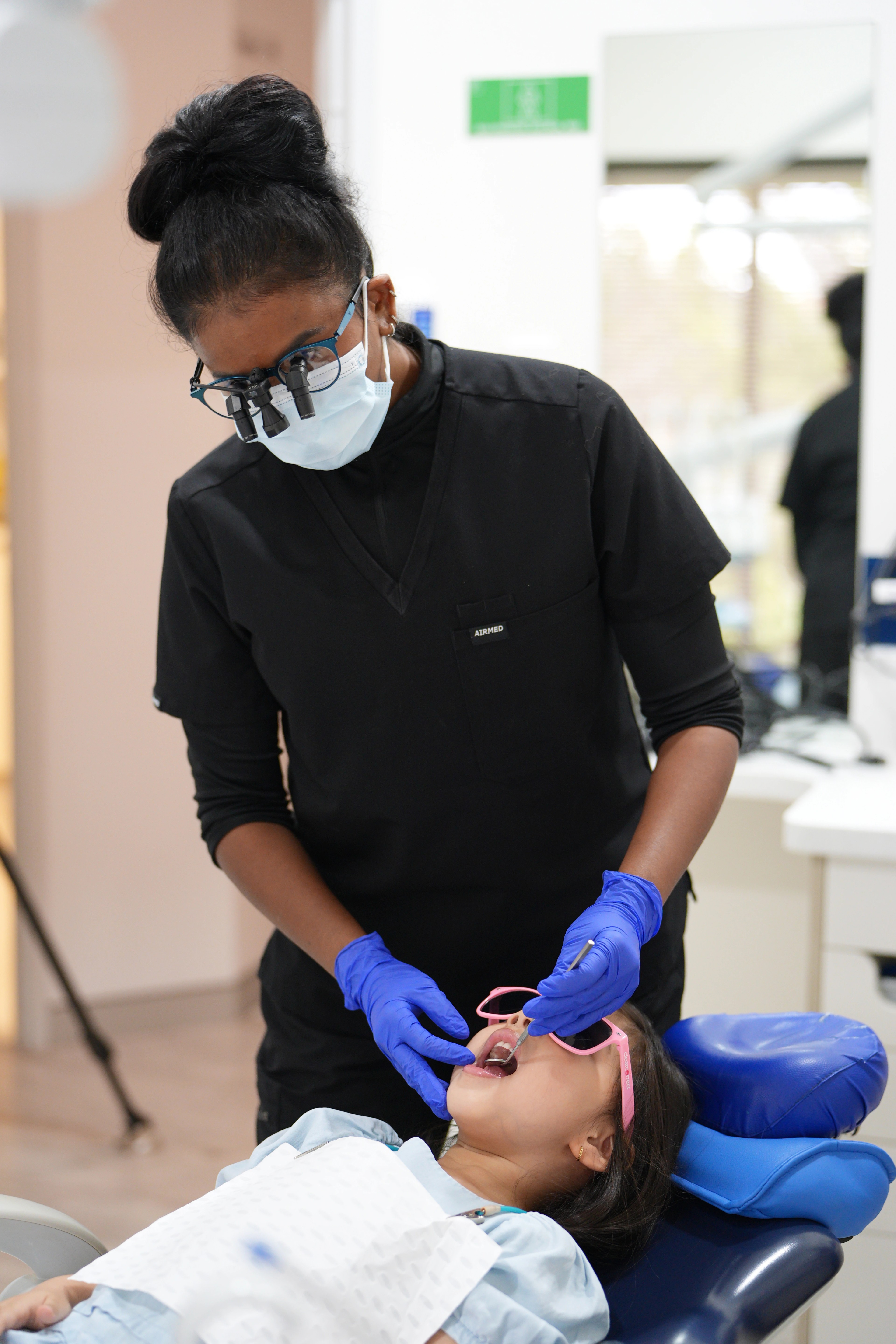
A guard that fitted last season can sit differently once a baby tooth falls out or a new one comes through. We check the teeth and bite before anything else.

It’s the night before round one and the mouthguard is nowhere to be found. Or it turns up at the bottom of the kit bag, chewed flat and a size too small. A custom guard is shaped from an impression of the teeth and is usually ready 1–2 weeks later, so ring a few weeks before the season starts, not the Friday before. We make sports guards for kids and adults, and night guards for grinding.
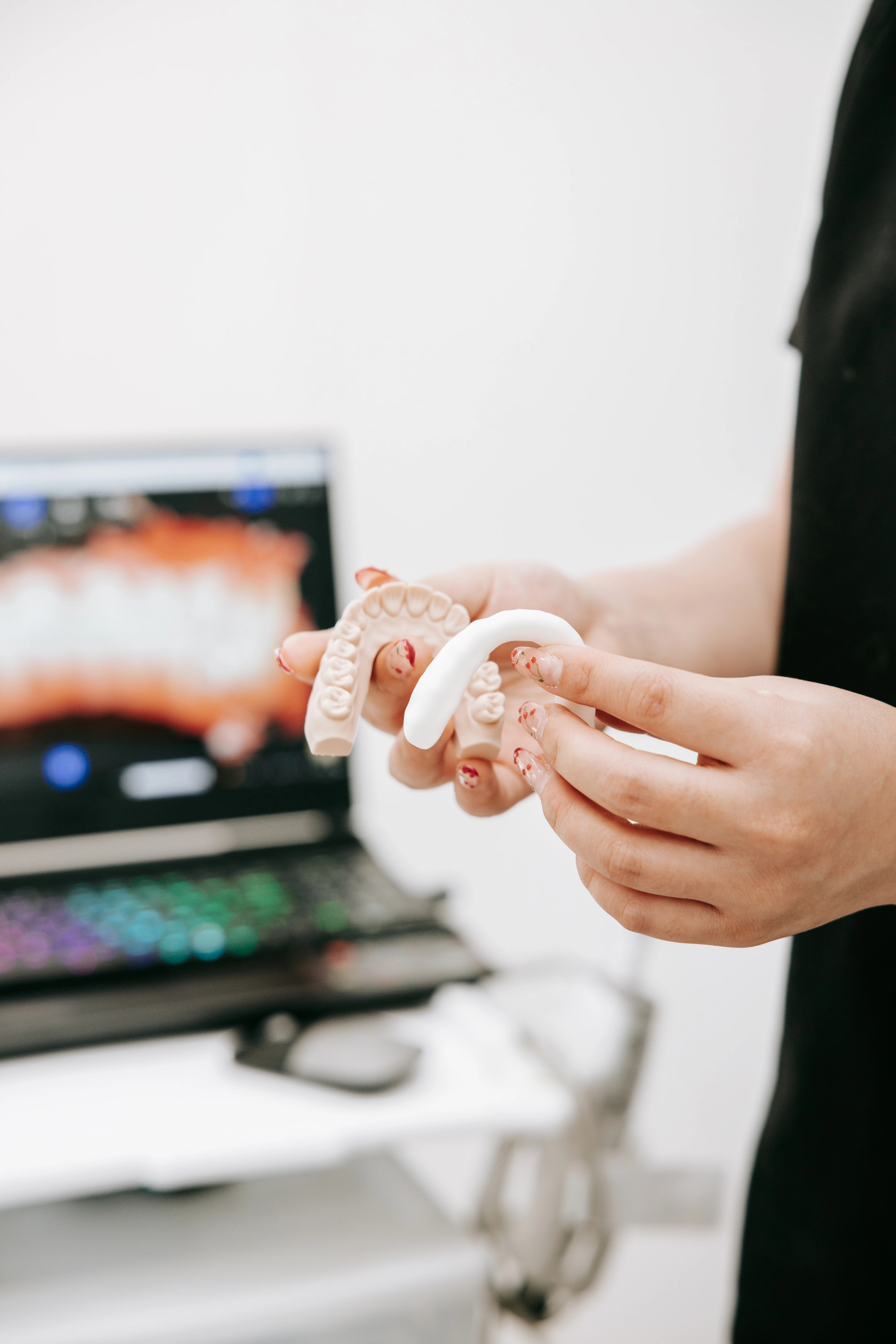
A guard is only as good as its fit, and the fit comes from the mouth it sits in. We look at the teeth, the bite and the old guard together. Adults get the same check, whether it’s for a sports guard or a night guard for grinding.
A guard that fitted last season can sit differently once a baby tooth falls out or a new one comes through. We check the teeth and bite before anything else.
Let us know the sport, and whether the guard gets worn at training as well as games. A contact sport asks far more of a guard than a casual kick in the park.
Most growing children need a new guard every 12–18 months, and sooner when a new adult tooth arrives. We’ll let you know when yours is due.
You don’t have to work out whether it’s too loose, too tight or just worn out. Bring it in, and we’ll check it in your child’s mouth.
Bring the guard your child wears now and the date of the first game. A few weeks’ notice leaves time for a new one to be made and fitted.
Not every time. Sometimes the old guard still fits well, and we’ll say so. If it doesn’t, you’ll hear why before we make a new one.
Warping happens on the inside, where you can’t see it. We check the fit, the bite and the wear before replacing it comes up.
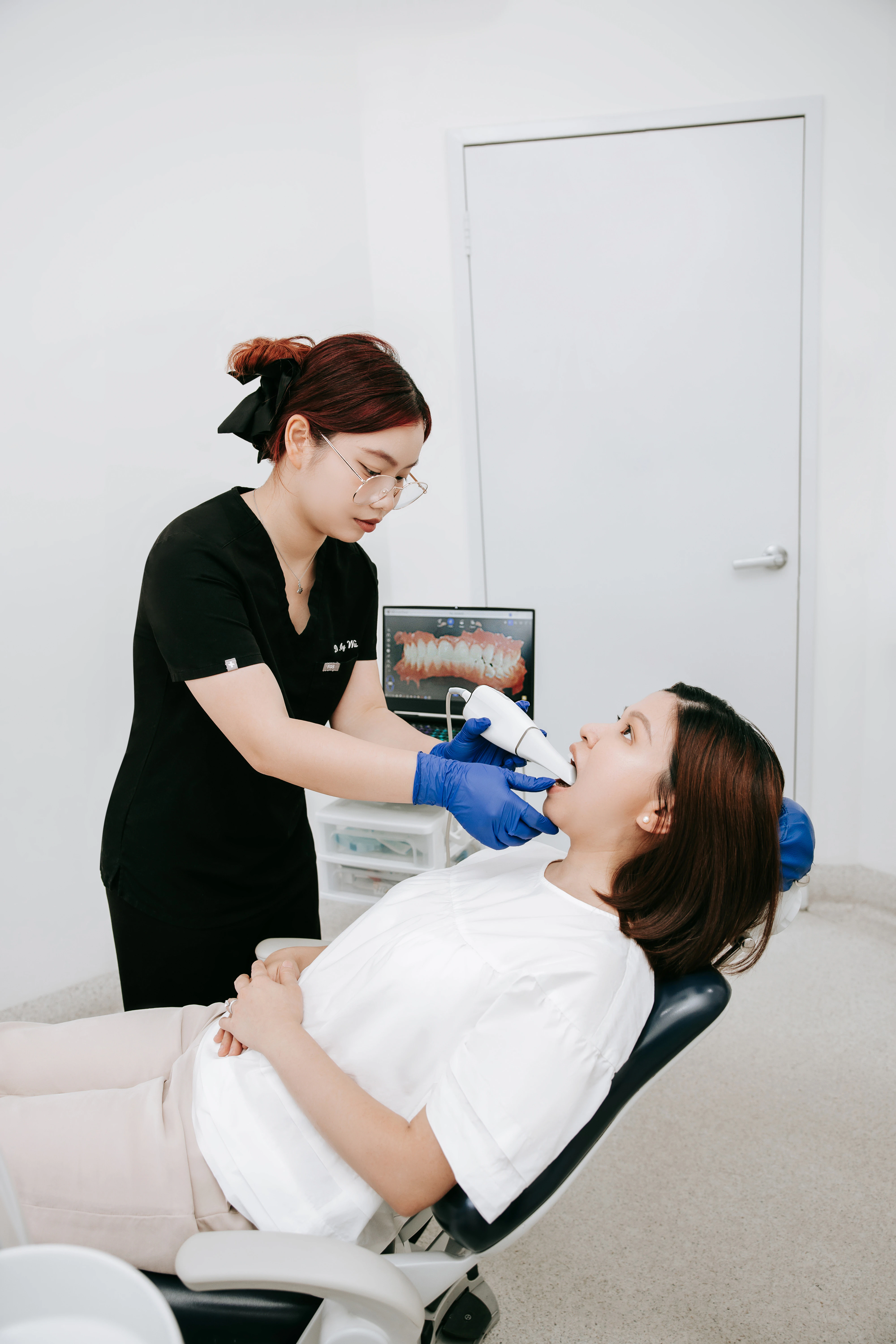
We start with the guard your child wears now and what their sport asks of it. Coming in for a check doesn’t mean you have to order a new one. If a new one is needed, that’s two short visits: the impression, then the fitting.
Bring it in its case, along with the sport, whether it’s worn at training or just on game day, your child’s age, and any braces or recent dental work.
Your dentist looks at the teeth and bite, then at how the old guard sits. If something else turns up, like a chipped tooth, we’ll talk about it at the same visit.
If the old guard won’t do, we take an impression of the teeth. The new guard is made from EVA, which is tough, a little flexible and holds its shape.
When the guard is ready, usually 1–2 weeks later, your child comes back to try it in. We check it sits snugly and doesn’t rub. You’ll know the fee before the impression is taken.
After each game or training session, rinse the guard in cool water, brush it gently and let it dry before it goes back in its vented case. Heat warps EVA, so keep it out of the car on a hot day and away from heaters. Bring it along to check-ups too, and we’ll look at the fit while you’re in the chair. Night guards need the same care as sports guards.
Every few weeks, have a quick look at it. A split, a changed shape, a guard that’s gone soft or a bite that feels different are all reasons to bring it in. Adults should come in once theirs stops fitting snugly.
If a knock has chipped, loosened or knocked out a tooth, ring us straight away rather than waiting for a guard check. For heavy bleeding, major swelling, or trouble breathing, speaking or swallowing, call 000 or go to the nearest emergency department. If a tooth has come out, the steps are in the last question below.
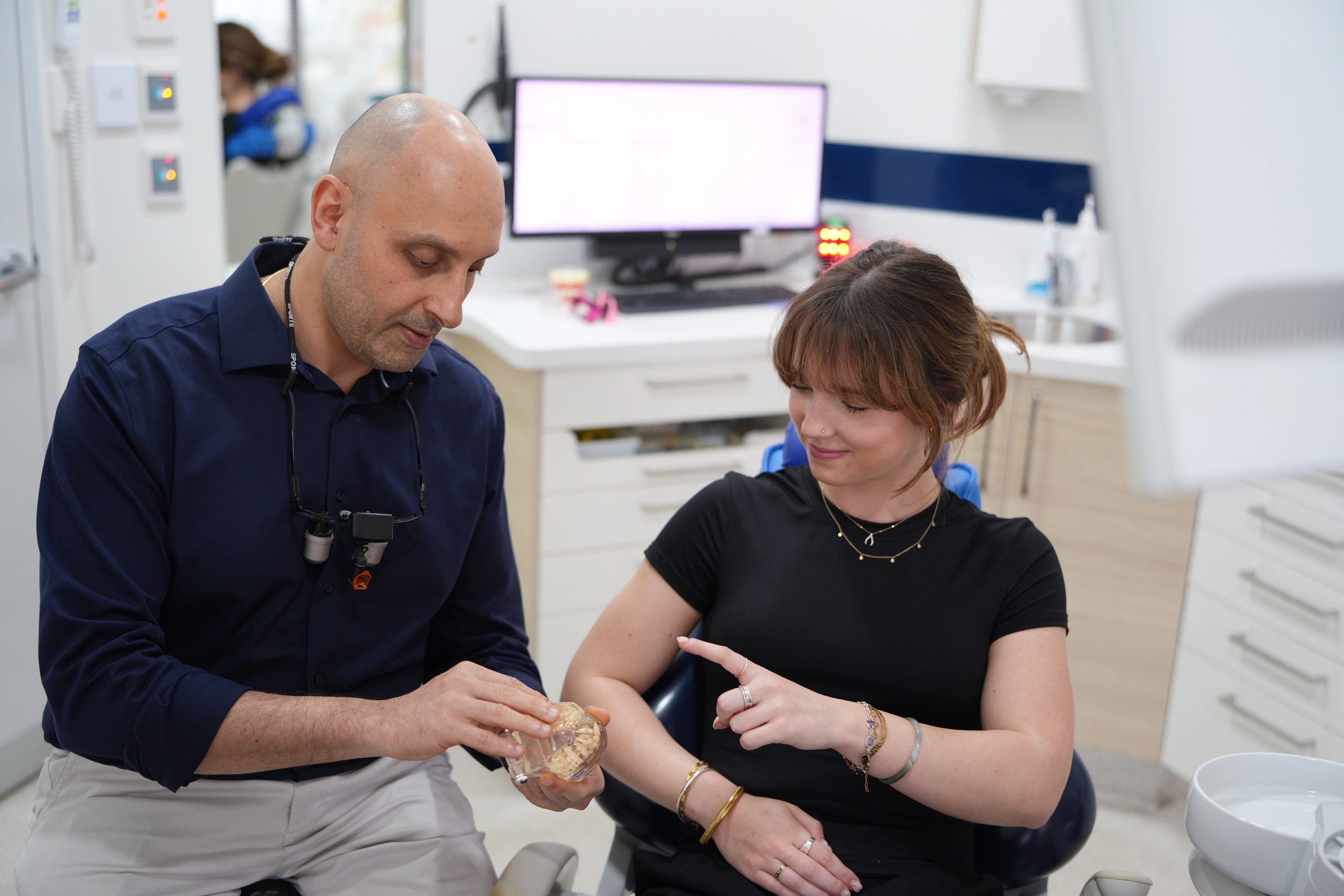
The fee depends on the type of guard, sports or night, and what your dentist finds. Ask for the likely cost when you book, and you’ll have the exact figure before the impression is taken. Bring your fund card, and before the impression is taken we’ll tell you whether the guard can be claimed at that visit.
Book an AppointmentPrivate health fund claims are welcome, and we’re a preferred provider for Bupa Members First, HCF and nib First Choice; HBF is accepted as well. What you get back depends on your policy and how much of your annual limit is left. Ask us for the item number so you can check with your fund first.
Book online any time, or call (08) 9407 7888. Mention the sport, when the season starts and what’s wrong with the current guard.
1/6 Rothesay Heights, Mindarie WA 6030. We’re open Monday to Thursday 8am to 6pm and Friday 8am to 5pm, and on Saturdays from 8am to 1pm, which makes a fitting before Saturday sport easy to fit in.
Once the guard’s sorted, one of these often comes next:
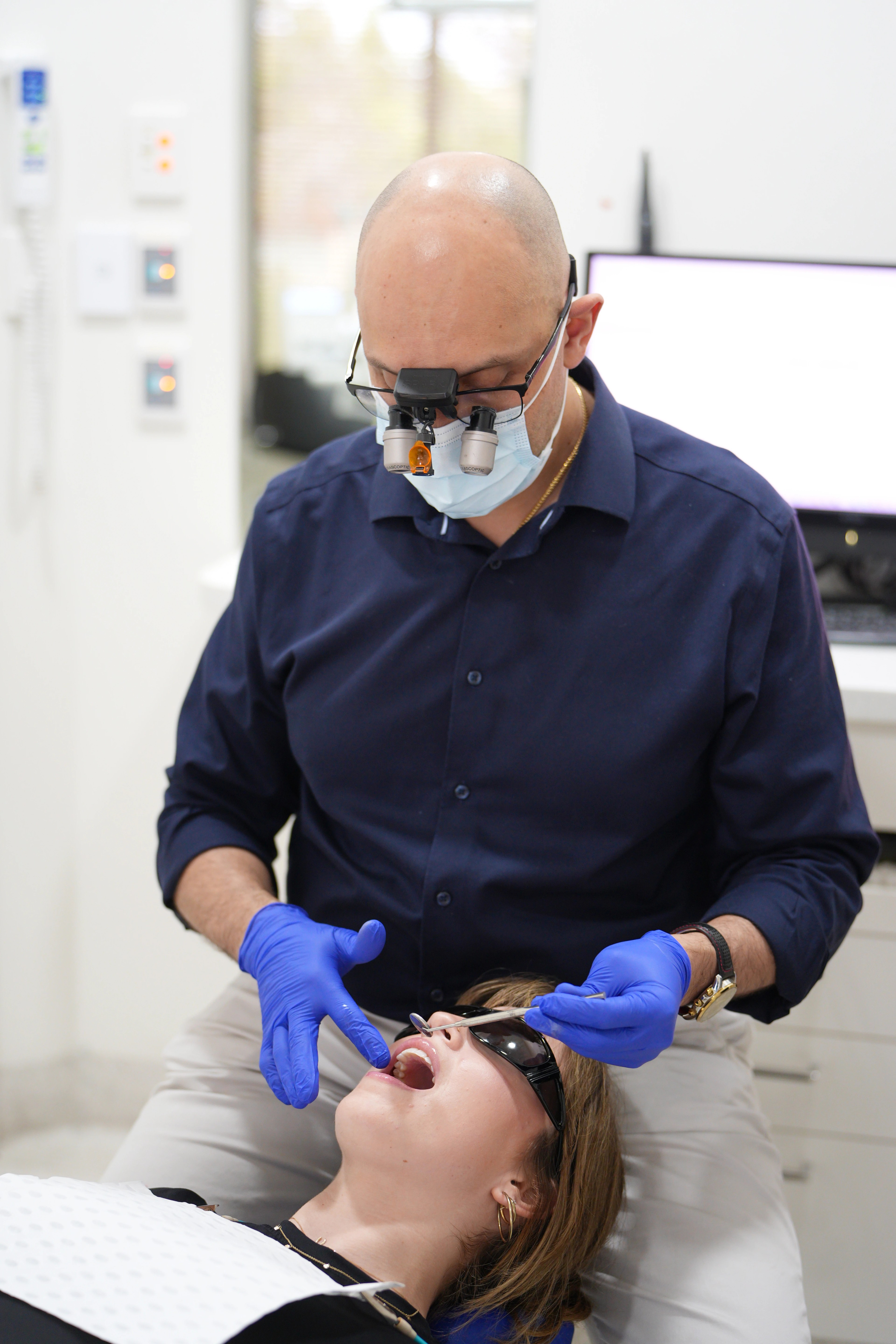

The questions we hear most in the weeks before a season starts, plus a few from adults who grind at night. If a tooth has just been knocked, chipped or loosened, ring (08) 9407 7888 first.
No, and nobody can honestly promise that. A well-fitted guard lowers the risk, but a hard enough knock can still hurt a tooth, the jaw, a lip or the tongue. The Australian Dental Association recommends a mouthguard for any sport where a knock to the face could injure the teeth, mouth or jaw, made to suit the sport and the person’s teeth. We’ll talk through what your child’s sport asks of a guard.
Both, if there’s any chance of a knock. The Australian Dental Association advises wearing a guard at training and in competition, because injuries happen at both. Plenty of kids leave theirs in the bag at training, so it’s worth a word at home. Let us know how your child actually trains, and keep having the fit checked as their teeth change.
Yes. A stock or boil-and-bite guard from the shop isn’t shaped from your child’s teeth. A custom guard is made in EVA from an impression of the teeth, so it sits closer and stays put, and we can check it against the bite as it is now. It still needs checking as a child grows or gets braces. Bring the shop guard in if you’d like us to compare.
The teeth, the bite, your child’s age, the sport, and the fit and state of any guard they already have. If a new one is needed, we take an impression, the guard is made from EVA, and it’s usually ready to fit in 1–2 weeks.
Watch for a guard that slips during play, rubs, makes talking or breathing hard, won’t stay up or suddenly feels sore. Kids don’t always mention it, and you can’t judge the inside fit by looking. Bring the guard in, say when the problem shows up, and we’ll check it in your child’s mouth.
Most growing children need a new guard every 12–18 months. A new adult tooth, a change in the bite, or a guard that’s worn or split can mean sooner. Bring it to each check-up and we’ll check the fit against their teeth as they are now.
Usually, yes, but the guard has to be made around the brackets, wires and stage of treatment. The Australian Dental Association’s guidance says a guard worn with braces needs its fit checked as treatment goes on, because the teeth keep moving. Today’s guard won’t necessarily fit in three months. Bring the brace details, and ask us, or whoever is doing the orthodontic treatment, which guard to use.
Rinse it after every use in cool water, brush it gently, let it dry and keep it in a vented case. Hot cars and direct sun can warp it, and chewing it wrecks the fit. Before each season, look for splits, wear or a changed shape, and bring it in if anything looks or feels wrong.
Don’t send your child out with a split, chewed, warped or loose guard. Ring us on (08) 9407 7888 and we’ll say whether it can be checked in time or needs replacing, and let the coach know it’s being sorted. If the damage came from a knock and a tooth is now loose, chipped or missing, follow the emergency steps instead of waiting for a fitting.
Sources:
The current guard and its case, the sport and how often your child plays, any brace details, and a note of what’s changed. If an old injury or recent dental work is part of the story, mention when it happened and bring any records you have. We’ll let you know when you book if anything else would help.
It depends on your policy, your annual limit and the item number. We take private health fund claims, but the policy name alone won’t show what your fund will pay. Ask us for the item number so you can check with your fund before the guard is made. Other ways to pay are on our Payment options page.
Yes. Adults can have a custom sports guard made, or a night guard if grinding or clenching is the problem. We check the sport or the grinding, your teeth and bite, and any guard you already have, then explain which one to make.
Ring (08) 9407 7888 if a tooth is chipped, cracked, loose or pushed out of place. For heavy bleeding, major swelling, or trouble breathing, speaking or swallowing, call 000 or go to the nearest emergency department. If an adult tooth is knocked out, pick it up by the crown, never the root. If it’s dirty, rinse it briefly in milk, or under cold running water for no more than 10 seconds. Put it back and bite on a clean cloth, or keep it in milk, never water. Get to a dentist straight away, because every minute counts. Never put a baby tooth back.
Sources: