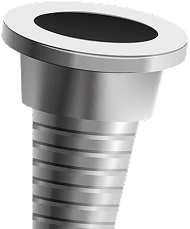
Start with our guide to the dental implant procedure, then see the pathway for options for missing teeth if you are still working out what to ask about.
People considering a full-arch implant restoration often want to know what the planning and treatment stages involve. All-on-4 is one term used for a particular implant arrangement, but the name does not determine whether it is suitable or available for you. A dental implant assessment can help you understand the findings, alternatives and next steps before you decide.
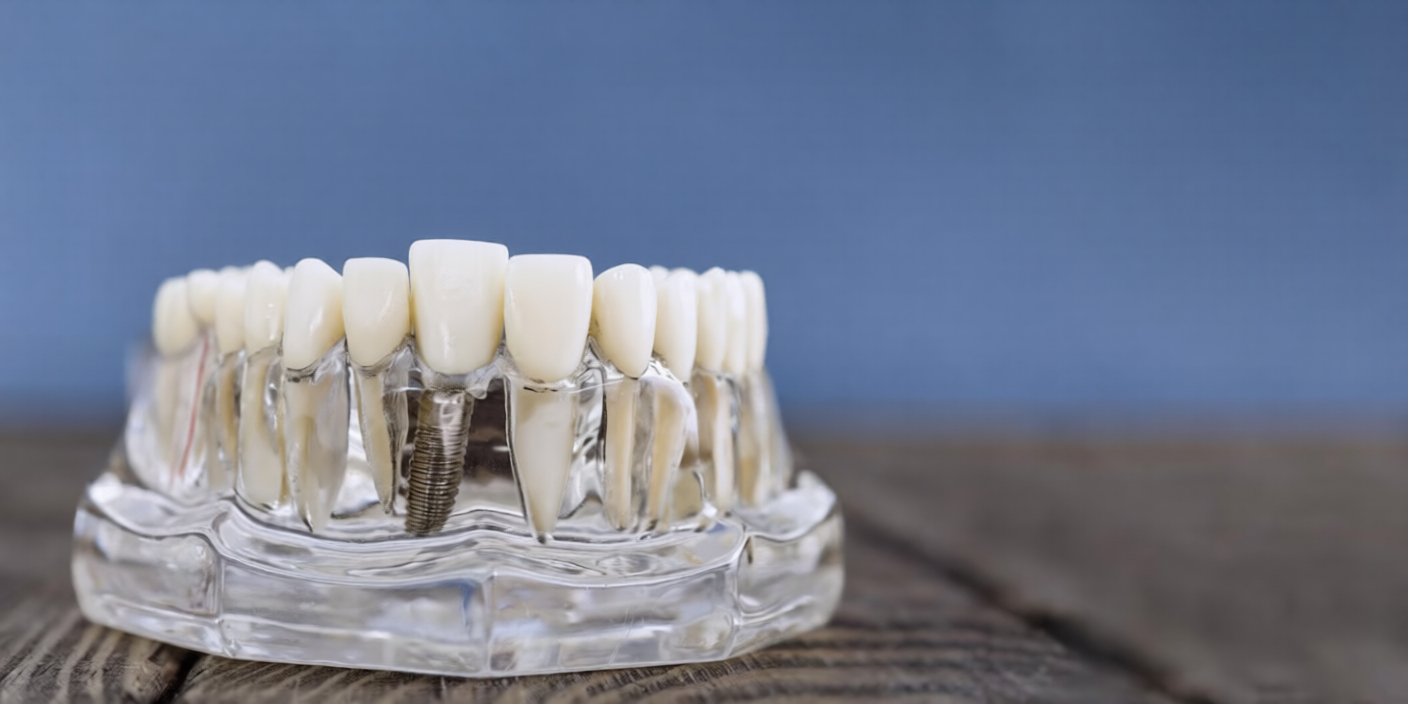
- Planning may include an examination, health-history review, photographs and appropriate dental imaging.
- The proposed implant positions and prosthesis should be explained before any surgery takes place.
- Temporary and final replacement teeth may involve different materials, timing and care instructions.
- Surgery carries risks, and the recovery plan must be tailored to the procedure and your health.
- Bridges, dentures, staged treatment or no treatment may be reasonable alternatives in some situations.
Stage 1: assessment and planning
The clinician first considers your remaining teeth, gums, bite, jawbone, general health and goals. Imaging can help with the position of implants and the structures around them. The consultation should also cover whether a different replacement option may be simpler or more appropriate.
Before agreeing to surgery, ask who will provide each stage, what qualifications and registration they hold, what sedation or anaesthesia is available, and where the treatment will take place. Those details should be confirmed directly by the provider.
Stage 2: agreeing the treatment plan
A plan should set out the proposed number and position of implants, the type of prosthesis, any preparatory treatment, expected appointments, maintenance needs and the costs that apply to your case. It should also explain what could change the plan and what happens if healing is slower or a complication occurs.
Stage 3: implant placement
Implant placement is a surgical procedure. The clinician uses the agreed plan to place the implants in the jaw, but the exact approach depends on anatomy, health and the planned restoration. Ask about the risks of infection, bleeding, nerve or sinus problems, implant failure, damage to nearby teeth and the possibility of further treatment.
Do not use an online article to choose medicines, alter a dose or decide when to return to work, exercise or a normal diet. Your treating team should provide written aftercare instructions and a contact number for concerns.
Stage 4: temporary and final teeth
Some treatment plans use a temporary prosthesis while the tissues and implants heal. A final prosthesis may be fitted only after the clinician has reviewed healing and confirmed that the next stage is appropriate. Timing, materials and the number of visits differ between cases.
Stage 5: reviews and maintenance
Implant-supported teeth still need daily cleaning and professional review. The clinician can show you how to clean around the prosthesis and what changes should prompt an appointment. Ongoing care may also include checking the bite, gums, prosthesis and implant stability.
Questions to ask before treatment
| Topic | Ask about |
| Suitability | What the examination and imaging show, and which alternatives were considered |
| Provider | Who performs each stage and their current registration and training |
| Recovery | Written aftercare, warning signs, reviews and who to contact |
| Costs | What is included, what may change and which payment terms apply |
Frequently asked questions
Is All-on-4 treatment completed in one appointment?
Some plans involve closely timed stages, but the appointment sequence depends on the examination, preparation, prosthesis and healing. Do not assume that a single-visit pathway applies to you.
Will I receive fixed teeth straight away?
A temporary or provisional restoration may be used in some plans, while other plans follow a different sequence. The provider should explain what you will have during each stage.
How painful is the procedure?
Surgical procedures can cause discomfort, swelling and other short-term effects. The amount and duration vary. Ask the treating practitioner how they manage pain and what warning signs require review; follow the treating practitioner’s instructions for your case.
What happens if an implant does not heal?
The treating practitioner should explain the possible outcomes before surgery, including how a problem would be identified and what further care might involve. Individual results and recovery vary.
Any surgical or invasive procedure carries risks. This article is general information only and does not replace an examination or personalised advice from a qualified dental practitioner. Individual suitability, healing and outcomes vary.
Before discussing a treatment plan, read about All-on-4 costs and written estimates.