

If you wear full dentures, it’s reasonable to wonder what a dentist would check when there are no natural teeth left. You might also be unsure whether to book a denture adjustment or a dental examination. They answer different questions about your mouth.
Yes, you still need dental check-ups with full dentures. The Australian Dental Association says these visits check denture fit and the soft tissues of your mouth, even when all teeth have been replaced. At Anchorage Dental Care in Mindarie, we offer denture care and dental check-ups. [1] [4] [5]
Summary of the Content:
- A full denture replaces teeth, but your gums and other mouth tissues still need care and regular examination. [1]
- Healthdirect advises at least yearly denture fit checks once you have adjusted; ask your practitioner what review interval suits you. [2] [3]
- Soreness, bleeding, swelling, ulcers or an uncomfortable fit are reasons to contact a dental practitioner. [2] [3]
- Tell the team whether you need a routine review, have symptoms, or want an existing denture assessed.
What is a dentist checking if you have no teeth?
The check is about your mouth as well as the denture. The ADA says your dentist will examine soft tissues for signs of oral cancer and conditions associated with denture wear, such as oral thrush. A denture that looks intact does not replace that examination. [1]
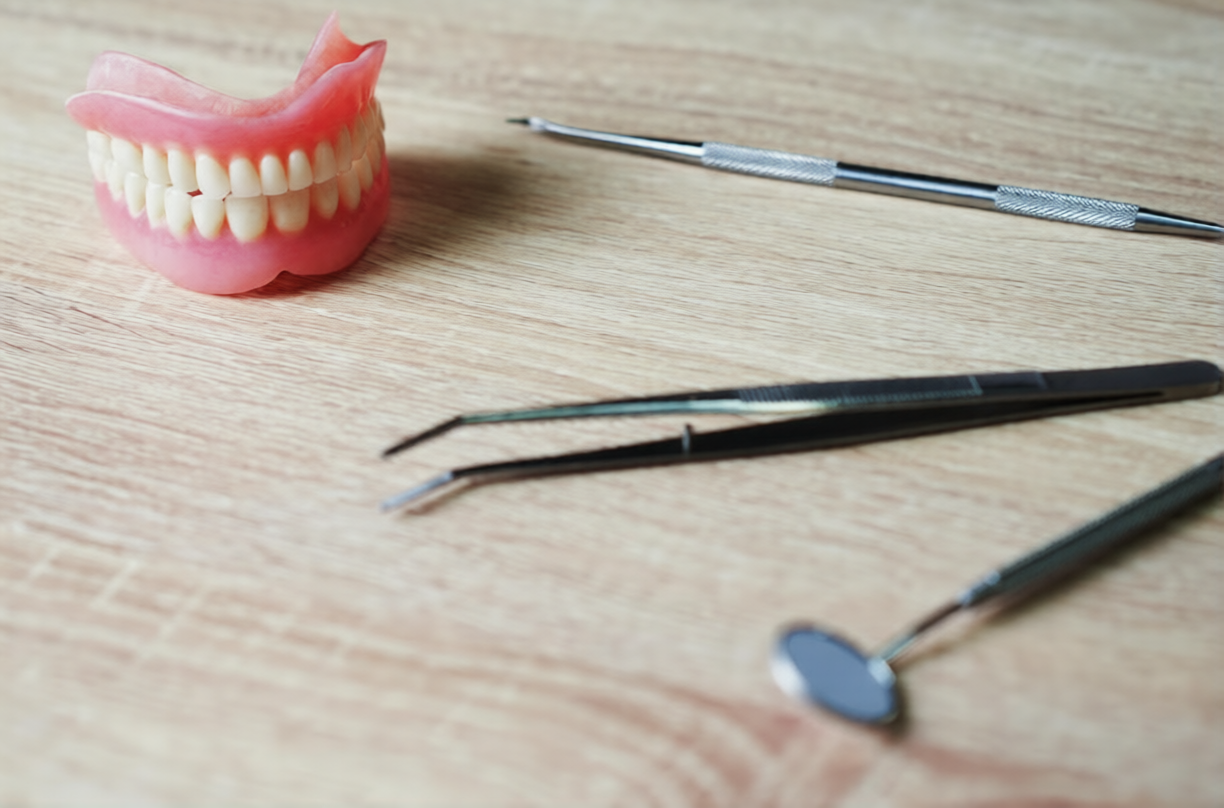
Full dentures replace all teeth in the upper jaw, lower jaw, or both. They sit on the gums. Your mouth can change shape over time, so a denture may no longer fit or work as it did when it was made. These changes are another reason for ongoing review. [1]
Think of two parts to the conversation: “Is my denture fitting properly?” and “Are the tissues beneath and around it healthy?” Ask about both, rather than describing the visit only as a check of the false teeth. [1]
The ADA makes the point directly in its Dentures guidance, under “Visit your dentist regularly”:
“It is important to see your dentist regularly for a check-up even if all of your teeth are replaced by dentures.”
That advice applies even if you feel the denture is comfortable. It is a reason to arrange an appropriate review, not an assumption that you need a new denture or another procedure. [1]
How often should you have a denture check-up?
Ask your dentist or dental prosthetist to set an interval for your circumstances. Healthdirect, last reviewed in February 2025, advises a denture fit check at least yearly after you have become used to your dentures. The ADA recommends regular check-ups without giving one fixed interval for everyone. [2] [1]
Better Health Channel, reviewed on 4 August 2026, also advises asking your dental practitioner how often your dentures should be checked. Read together, these sources support ongoing review with a personal plan, rather than treating an annual date as a reason to ignore a problem that appears earlier. [3] [2]
If your dentures are new, follow-up appointments may be needed to adjust them. That is different from a long-term review schedule. Healthdirect explains that immediate dentures, fitted on the day teeth are removed, may need adjustments as gums heal. [2]
Before leaving an appointment, ask: “When should I return, what will that review cover, and which changes mean I should contact you sooner?” Write the answer down with your appointment details.
Which changes should you tell the dental team about?
Contact your dentist or dental prosthetist about a sore mouth, bleeding gums, swelling or ulcers. Healthdirect lists each as a reason to seek assessment and notes that dentures may need adjustment. Better Health Channel also lists dentures that fit poorly or feel uncomfortable. [2] [3]
Describe what you have noticed rather than diagnosing it yourself. For example: “The lower denture moves when I eat,” or “There is a sore area on the right side.” Say when it started and whether it is changing. These details give the team a clearer description when arranging your visit.
| Change to mention | What to ask about |
|---|---|
| Loose or uncomfortable denture | Ask for the fit and the tissues beneath the denture to be assessed. [1] |
| Sore mouth, bleeding, swelling or ulcers | Tell the team about these symptoms when requesting an appointment. [2] |
| An ulcer lasting more than two weeks | Tell your practitioner how long it has been present; Better Health Channel identifies this as a reason for assessment. [3] |
| Soreness or cracks at the corners of the mouth | Mention this as well as any denture-fit concern. [3] |
An ulcer does not need to have been present for two weeks before you can ask for advice: healthdirect already lists ulcers as a reason to see a practitioner. Tell the team about it when you call. Do not assume a sore area is only rubbing from a denture. [2] [3]
Is a check-up the same as a reline or replacement?
No. A check-up assesses what is happening; a reline or replacement is a possible response to a fit problem. The ADA explains that adding material to the base of an older denture can sometimes help it fit again. In other circumstances, a new denture may be needed. [1]
That is why the next step depends on an examination rather than the age of the denture alone. Ask the practitioner to explain the finding and the available options before agreeing to a procedure. A regular review is not a commitment to replace your denture. [1]
Our denture service page describes assessment of discomfort, slipping and changes in chewing or speaking. When calling Anchorage, explain whether you want an existing denture checked or are asking about making a new one. This helps distinguish your enquiry from a general dental check-up. [4]
What if you still have some natural teeth?
Those teeth and their gums need attention too. Better Health Channel explains that partial dentures commonly use clasps on remaining teeth, and that those teeth and gums need to be healthy to support the denture. Having a full denture in one jaw does not mean there are no natural teeth in the other. [3] [1]
Let the team know whether you have full or partial dentures, and whether one or both jaws are involved. If you are not sure what your appliance is called, simply describe it: “It comes out, and I still have some teeth at the bottom.”
For home care, Better Health Channel recommends cleaning remaining natural teeth with a soft toothbrush and fluoride toothpaste while the denture is out. Healthdirect advises daily brushing of gums and tongue even without teeth. Mouth care and denture care are related, but they are not the same task. [3] [2]
For a fuller explanation of cleaning and handling, see our denture care guide. Bring questions about your own appliance to the review, particularly if you are unsure which cleaning or storage instructions apply to it. [9] [2]
Preparing for a denture review in Mindarie
Start by telling reception what the appointment is for. Our new-patient information says the team will discuss the expected duration, costs and which dentist you will meet. Ask what applies to your proposed visit instead of assuming every appointment has the same inclusions. [6]
Our published dental check-up process includes reviewing your medical history, examining your mouth and discussing the findings. Diagnostic X-rays are considered if necessary. The exact care will depend on your situation; the general description is not a list of procedures every denture wearer needs. [5]
Before the visit, make a short note of:
- Which denture you want checked, and roughly when it was made or last adjusted.
- Any soreness, swelling, bleeding, ulcers or change in fit, including when you first noticed it.
- Your current medicines, relevant medical history and any allergies. [5]
- Previous dental or denture records you can provide or ask to have transferred.
- The questions you want answered about the examination, costs and follow-up.
Ask whether to bring previous records and anything else the practitioner needs. You can also ask for the proposed fees and inclusions before confirming. Keep your own questions beside the appointment details so they are easy to find on the day.
Anchorage Dental Care is at 1/6 Rothesay Heights, Mindarie WA 6030. Published hours are Monday to Thursday, 8am–6pm; Friday, 8am–5pm; and Saturday, 8am–1pm. Sunday is closed. Check current appointment availability with the team. [7]
You can find information about our principal dentist on Michael Shams’ profile. To discuss a visit, call (08) 9407 7888 or use our contact details. [8] [7]
A simple way to start: “I wear full dentures and would like my mouth and denture fit checked. I have [describe any symptoms]. Which appointment should I book, what should I bring, and what will it cost?”
Frequently asked questions
Do I need a check-up if my dentures feel fine?
Yes. The ADA recommends regular dental checks even if all teeth have been replaced by dentures. These visits include checking the soft tissues of your mouth as well as the appliance. Ask your practitioner when your next review should be. [1]
Can a dental prosthetist check my dentures?
Yes. Healthdirect says you can see a dentist or dental prosthetist for ongoing denture fit checks and adjustments. The ADA also describes the dentist’s role in checking mouth tissues. Tell your practitioner whether your concern is the denture, your mouth, or both. [2] [1]
Does a loose denture always need replacing?
No. The ADA says older dentures can sometimes have material added to their base to improve fit, while others may need replacement. An examination is needed to discuss what is appropriate for your denture; there is no single answer for every loose appliance. [1]
Should I wait for my annual review if my mouth is sore?
Contact a dental practitioner about soreness rather than using your scheduled review date as a waiting period. Healthdirect lists a sore mouth, bleeding gums, swelling and ulcers as reasons to see a dentist or dental prosthetist. Explain the symptoms when you call. [2]
Sources
General published guidance, not individual diagnosis or treatment advice. Sources checked on 2 November 2026. Healthdirect’s denture page was last reviewed in February 2025; Better Health Channel’s denture page was reviewed on 4 August 2026. Follow advice given for your own mouth and denture.
- [1] Australian Dental Association: Dentures
- [2] Healthdirect Australia: Dentures
- [3] Better Health Channel: Dentures
- [4] Anchorage Dental Care: Dentures
- [5] Anchorage Dental Care: Dental check-ups
- [6] Anchorage Dental Care: New patient expectations
- [7] Anchorage Dental Care: Contact us
- [8] Anchorage Dental Care: Michael Shams
- [9] Anchorage Dental Care: Denture care guide


 How We Can Help
 General Dentistry
 Emergency Dentist
 Cosmetic Dentistry
 Dental Implants
 Restorative Dentistry
 Cosmetic Procedures
 Orthodontics
 Sedation and Sleep Dentistry
 Preferred Provider
 Other Payment Options
 Government Scheme