

Contents Navigation
Summary of the Content:

- A full mouth of veneers involves placing them on most or all visible teeth, typically for aesthetic enhancement.
- Patients commonly receive six to ten veneers to improve the appearance of their front teeth when smiling.
- Veneers may not be placed on all teeth; molars are rarely included due to their functional role and limited cosmetic visibility.
- Treatment decisions depend on oral health, tooth structure, bite function, and patient goals—not just cosmetic preferences.
- Healthy teeth are needed for veneer placement, as a thin layer of enamel is removed during the preparation stage.
- Alternatives include teeth whitening, orthodontics, composite bonding, or dental crowns, depending on your needs.
- Veneers can last for years but may need to be replaced due to wear, damage, or changes in the gums.
- Good dental hygiene and regular check-ups are crucial for supporting veneer longevity and overall dental health.
What Does ‘Full Mouth of Veneers’ Mean?
When people refer to a full mouth of veneers, they’re usually talking about covering most or all of the teeth that show when smiling. This typically includes the upper front teeth and occasionally the lower ones, depending on your smile line and treatment goals.
While the phrase sounds comprehensive, it doesn’t always mean every single tooth will be receiving veneers. The term is often used informally. In reality, veneers cover only the teeth that need cosmetic enhancement, based on visibility and overall aesthetic goals.
How Many Veneers Are Typically Used in a Smile Makeover?
A comprehensive smile makeover often involves placing six to ten veneers on the upper front teeth, usually the incisors and canines, for a noticeable result. The number depends on several factors, including your facial structure, lip movement, and the number of teeth visible when smiling naturally.
Custom veneers are designed to match your natural tooth structure, allowing them to blend seamlessly with nearby teeth that don’t require veneers. Since back teeth are less visible when smiling, they’re often not included unless they affect the overall appearance of your teeth.
This approach helps preserve healthy tooth enamel and reduces the need to involve areas that don’t affect the visible smile. Common reasons why not every tooth is veneered include the following:
- Back teeth aren’t visible when smiling
- Healthy teeth may not need treatment
- Reduces changes to natural tooth structure
Is It Possible to Veneer Every Tooth?
It is possible to place veneers on every tooth, including molars, but this approach is rarely recommended in cosmetic dentistry procedures. Porcelain veneers and composite resin veneers are primarily designed for the front teeth, areas important for aesthetics, but don’t bear heavy chewing forces.
Placing veneers on all teeth increases the overall cost, treatment time, and risk of complications, especially when altering teeth that serve key functional roles. In most cases, back teeth are not involved in veneer treatment unless they have visible cosmetic issues or require restoration for other dental reasons.
Dentists usually recommend treatment only for the teeth that affect your smile’s aesthetics, helping you achieve a natural-looking smile with balanced, conservative care.
Factors Dentists Consider Before Recommending Full-Mouth Veneers
Deciding whether to proceed with a full mouth of veneers involves more than just cosmetic goals. Dentists begin with a thorough clinical assessment of your teeth, bite, and overall oral health. Treatment planning focuses on long-term function, aesthetics, and the preservation of your natural tooth structure wherever possible.
Tooth Structure and Health
For veneers to be a viable option, teeth must be healthy—especially the enamel, which plays a vital role in securely bonding veneers to the tooth’s surface. Dental veneers are placed after a thin layer of enamel is removed during the preparation stage, which is why strong, intact enamel is important.
Teeth that already have fillings, wear, chips, or previous dental treatments may not always be suitable for veneers. In such cases, alternatives such as composite bonding, dental crowns, or other dental treatments may be considered. Preserving tooth structure is a priority, as healthy enamel helps support the long-term benefits of veneer placement.
Bite and Jaw Function
Your bite and jaw movement are important when planning cosmetic dentistry procedures. If the bite is unbalanced or the teeth do not align well, veneers may wear down or become damaged over time. This is especially true for the back teeth, which are involved in chewing and bear more pressure.
Conditions such as bruxism, also known as teeth grinding, can increase stress on veneers and impact their durability. For these patients, dentists may suggest starting with fewer teeth, managing the bite, or exploring other options. The goal is to achieve a stable result that supports your bite, jaw movement, and everyday chewing function.
Aesthetic Goals vs. Over-treatment
Wanting a transformed smile is completely valid, but it doesn’t always require managing every visible tooth. In most cases, six to eight veneers are sufficient to achieve a balanced and attractive result. Managing more teeth than necessary could lead to additional enamel removal, higher overall costs, and a longer recovery process.
Dentists weigh your aesthetic goals against clinical findings and may recommend a combination of dental veneers, teeth whitening, or dental crowns to achieve the desired effect. This conservative approach supports better outcomes while limiting unnecessary procedures.
A personalised treatment plan focuses on enhancing your smile while respecting the natural function and health of your teeth.
Are Full Mouth Veneers Right for Everyone?
While some patients may benefit from a full mouth of veneers, this treatment approach isn’t suitable or necessary for every patient seeking a smile makeover. Veneers can be used to improve the natural appearance of discoloured or misshapen teeth, as well as minor issues such as gaps and chips. However, the decision to address many or all visible teeth depends on clinical findings and personal goals.
Some patients may achieve their desired outcome with fewer veneers, while others may be better suited to alternative cosmetic dental treatment options, such as composite bonding, teeth whitening, or dental crowns. Your oral health, tooth structure, bite function, and history of previous dental treatments all play a role in deciding what’s appropriate for you. For patients with issues such as gum disease, Tooth decay, or teeth teeth grinding, full-mouth veneer placement may not be recommended until these concerns are addressed.
A dental consultation and assessment will help determine whether veneers are the right option or if another approach is more suitable based on your dental health, goals, and treatment preferences.
Veneers vs. Other Cosmetic Dental Treatment Options
Dental veneers can transform the appearance of your smile, but they are not the only option available. Depending on your goals, other cosmetic dental treatment options may be more suitable. Here’s how veneers compare with other common procedures based on purpose, treatment scope, and invasiveness.
Veneers vs. Whitening
If your main concern is tooth discolouration, whitening may be a more conservative starting point. Whitening targets surface stains, particularly those caused by coffee, red wine, or ageing. Whitening preserves natural enamel and doesn’t require any enamel removal, making it a non-invasive option to consider first when discolouration is the only concern.
Porcelain or composite resin veneers may be more suitable if the discolouration is resistant to whitening or if you’re also concerned with chips, spacing, or minor misalignments.
Veneers vs. Orthodontics
For those with crooked teeth, crowding, or bite problems, orthodontic treatment, such as braces or clear aligners, may offer better long-term results than veneers. Dental veneers can help mask minor misalignments, but they won’t change how your upper and lower teeth fit together. They also fail to address issues such as jaw alignment and pressure points when chewing.
Orthodontics may take longer, but it focuses on improving tooth structure, bite, and overall dental health, which may prevent complications later.
Veneers vs. Dental Crowns or Bonding
Dental crowns are used when a tooth is structurally compromised due to decay, cracks, or previous damage and often cover the entire surface of the tooth. Veneers cover only the front surface, making them a more conservative option when the underlying tooth is healthy. However, crowns are better suited when there’s not enough healthy tooth enamel for veneer bonding.
Composite bonding is another alternative that uses composite resin to address broken teeth, reshape misshapen teeth, or close small gaps. It’s usually more affordable and requires less preparation, but may have a shorter lifespan compared to porcelain veneers.
Veneers Cost and Maintenance Considerations
Choosing veneers for several teeth requires more planning and involves higher costs compared to placing veneers on one or two teeth. A full-mouth approach increases overall expenses due to the number of teeth involved and the precision needed for each veneer.
Each veneer is custom-designed for an individual tooth, fabricated in a dental lab, and carefully bonded in place. The number of appointments, materials used, and complexity of the case can all affect the total cost.
Regular care is also essential. Veneers are durable, but they are not expected to last forever. Over time, they may need to be replaced due to wear, accidental damage, or natural changes in surrounding teeth or gums.
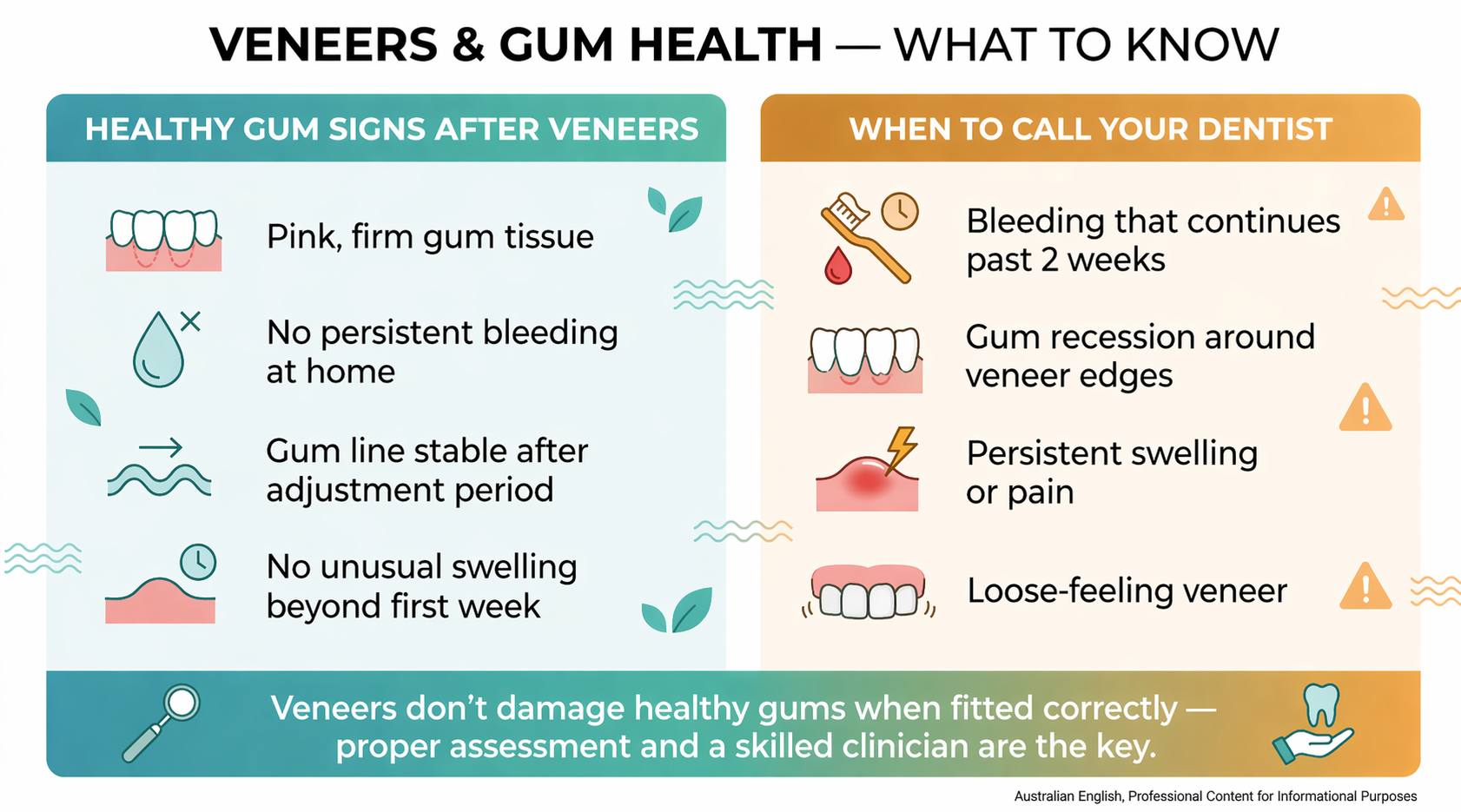
Maintaining good oral hygiene, attending regular check-ups, and avoiding habits like biting hard objects can help preserve the condition of veneers. They do not prevent tooth decay or gum issues, so daily brushing and flossing are still necessary.
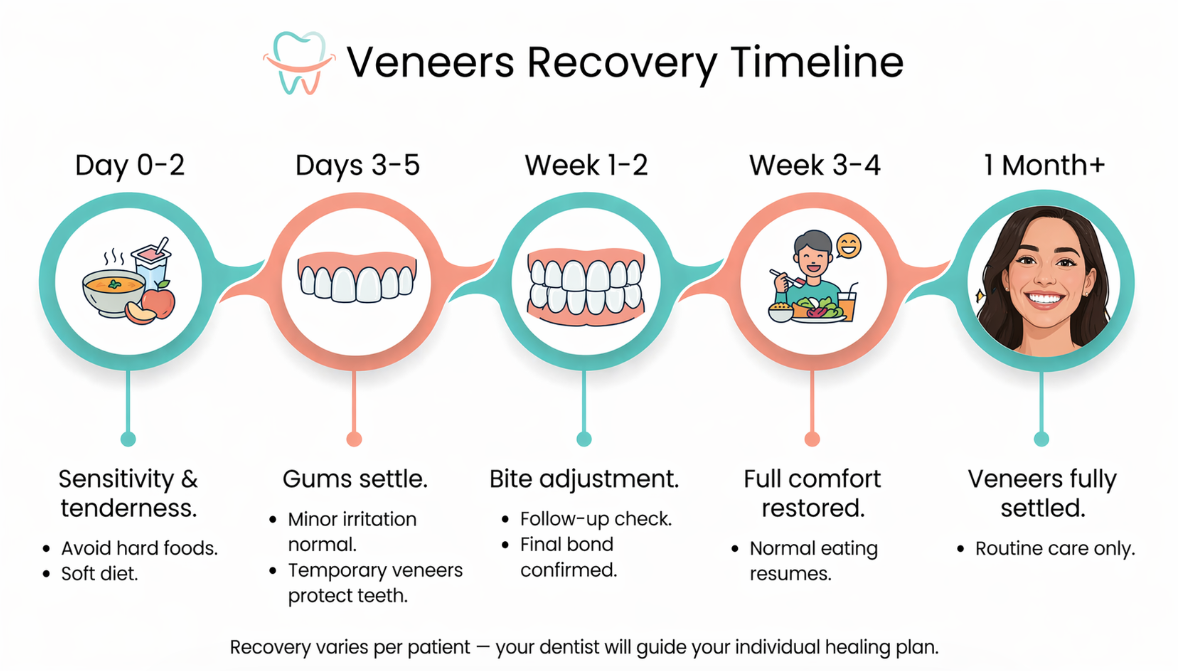
If a veneer becomes chipped or damaged, it usually cannot be restored. Instead, a new one will need to be made and fitted to restore the original appearance. Understanding these long-term considerations is important when planning for both the care and financial aspects of veneers.
Final Thoughts
Every smile is different, and so is the approach to enhancing it. While veneers may be part of your treatment plan, they are not the only option. Decisions around cosmetic care should always be based on your oral health, lifestyle, and what’s clinically appropriate for your needs—not just appearance.
If you’re considering changes to your smile, start with a dental consultation. Your dentist can assess your teeth and discuss care options that support both function and appearance.
At Anchorage Dental Care Mindarie, we welcome patients who are exploring cosmetic dental options. Our team takes the time to guide you through the process step by step. Booking an appointment gives you the chance to ask questions, review your treatment plan, and receive care tailored to your individual goals.



 How We Can Help
 General Dentistry
 Emergency Dentist
 Cosmetic Dentistry
 Dental Implants
 Restorative Dentistry
 Cosmetic Procedures
 Orthodontics
 Sedation and Sleep Dentistry
 Preferred Provider
 Other Payment Options
 Government Scheme