

Sleeping after All-on-4 surgery requires careful positioning to support your recovery. Many patients experience discomfort, swelling, and difficulty adjusting to new sleep positions. This guide provides practical, step-by-step instructions for sleeping comfortably during your All-on-4 recovery period. Following proper sleep positioning may help reduce swelling and promote healing in the first weeks.
Contents Navigation
Summary of the Content:
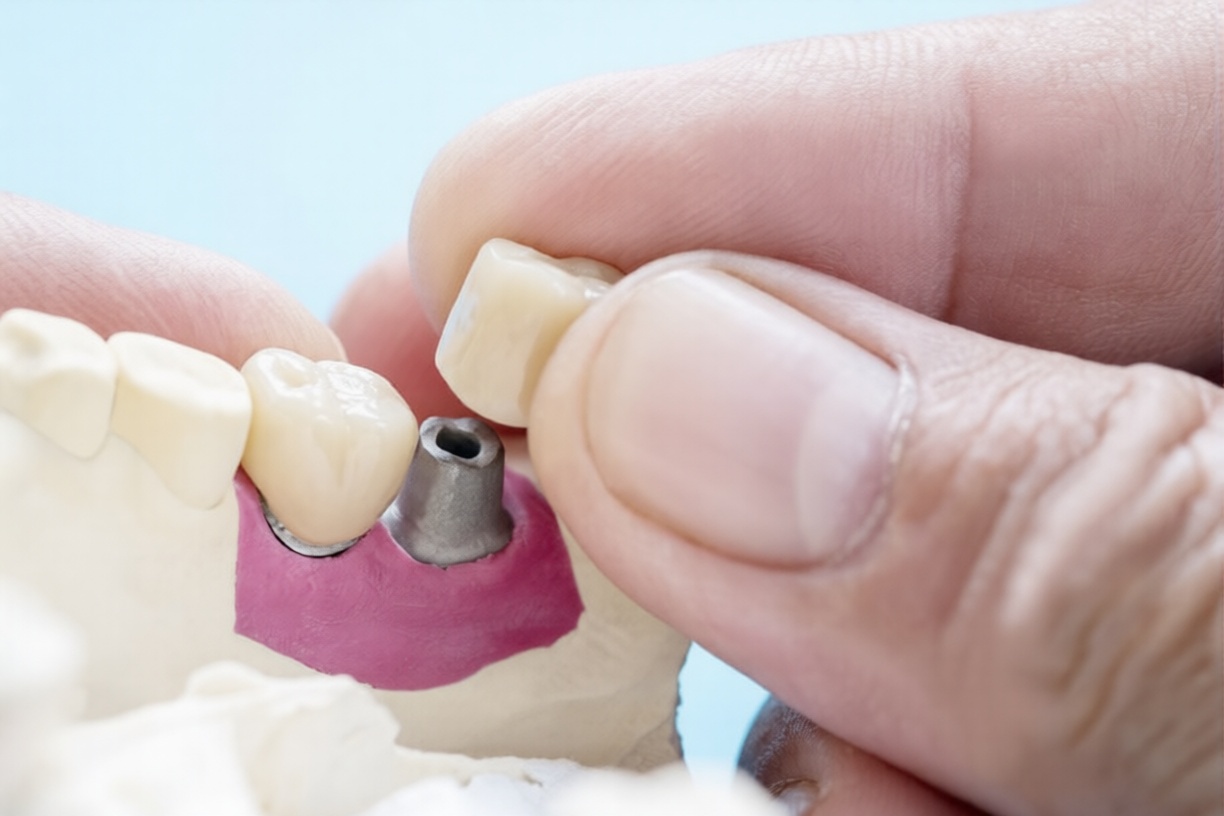
- Your sleeping position directly influences swelling, drainage, and healing after All-on-4 dental implant surgery. Proper elevation may help reduce fluid accumulation and support your body’s natural recovery processes.
- The first 72 hours require strict elevation at a 30-45 degree angle for optimal recovery. This guide provides detailed instructions for setting up your sleep environment using pillows or recliners.
- Step-by-step instructions for arranging pillows and positioning the recliner help you maintain consistent elevation throughout the night. Both methods are designed to support comfortable sleep while protecting your healing implant sites.
- Pain management strategies include medication timing, ice therapy protocols, and creating a sleep-friendly recovery space. These approaches may help reduce discomfort and promote more restful nights during your All-on-4 recovery.
- Most patients gradually transition back to normal sleeping positions over a four to six-week period. Individual healing timelines vary based on factors such as the complexity of your procedure and your overall health response.
Why Your Sleeping Position Matters After All-on-4 Surgery
Your sleeping position directly influences blood flow, swelling levels, and pressure on your implant sites. Proper positioning during recovery can support healing and may help reduce post-operative discomfort. Understanding these factors helps you prepare effectively for your sleep setup during the critical first weeks.
How Blood Flow Affects Swelling
Lying completely flat increases blood flow to your head and face during sleep. This increased circulation can worsen swelling around your surgical sites. Elevating your head uses gravity to reduce fluid accumulation in the facial tissues. Head elevation may help decrease blood circulation in the gums. This positioning approach is designed to support your body’s natural healing response.
Protecting Your Implant Sites
All-on-4 treatment involves placing four titanium posts into your jawbone to support your new teeth. These posts require undisturbed healing during the initial recovery period. Pressure on the surgical sites can potentially disrupt the early healing process. The first 72 hours are particularly important as the bone begins integrating with the implants. Side-sleeping or stomach-sleeping too early may create uneven pressure on the treatment areas. This pressure could lead to complications or discomfort during your recovery.
The Swelling Timeline You Need to Know
Understanding when swelling peaks helps you plan your sleep positioning strategy effectively. The most severe swelling occurs on the second day after dental implant surgery. Research published in peer-reviewed journals reports swelling typically peaks 48-72 hours after the procedure. Maintaining proper head elevation during this peak period can support your recovery.
Swelling generally begins to decrease gradually over the following five to seven days. Individual healing responses vary depending on factors such as your overall health and the complexity of the procedure.
The First 72 Hours: Elevation Is Essential
Sleep with your upper body elevated at a 30-45 degree angle for the first 72 hours minimum. This positioning is designed to reduce swelling and support healing during the critical initial recovery period. Your dental team will provide specific guidance based on your procedure and healing response.
How to Set Up Your Sleep Environment
Creating a proper sleep setup before your procedure helps ensure comfortable, uninterrupted rest during recovery. You have two primary options for maintaining the recommended elevation angle throughout the night.
Option 1: Pillow Stack Method
Use three to four firm pillows arranged in a wedge shape from your lower back to your head. Position the pillows behind your back and shoulders, not just under your head alone. Placing pillows only under your head can cause neck strain and discomfort during the night. Add a pillow under your knees to prevent your body from sliding down while you sleep.
Place side pillows on each side of your body to discourage rolling during sleep. This arrangement creates a supportive incline that maintains proper elevation consistently throughout the night.
Option 2: Recliner Chair
Many patients find a recliner chair easier to use than arranging multiple pillows in bed. Adjust your recliner to a 30-45 degree angle for optimal positioning during sleep. Add a neck pillow or small cushion for additional head and neck support. Recliners naturally maintain your elevation angle without requiring readjustment during the night. This option works particularly well if you already own an adjustable recliner at home.
What to Avoid During the First 3 Days
| Position/Activity | Why to Avoid |
| Sleeping flat on your back | Increases facial swelling and blood flow to surgical sites |
| Side-sleeping | Creates pressure on implant sites and disrupts early healing |
| Stomach-sleeping | Places direct pressure on the surgical area |
| Bending over when getting up | Increases cranial pressure, which may cause bleeding and swelling |
| Physical exertion before bed | Elevates heart rate and increases bleeding risk |
How Long to Maintain Elevation
Maintain an elevated sleeping position for at least 72 hours, which equals three full nights. This timeframe aligns with clinical protocols designed to support healing during the peak swelling period. Some dental practitioners recommend maintaining elevation for five to seven days, depending on the severity of swelling. Follow the specific timeline provided by your dental team.
Individual healing response and the complexity of your procedure will influence the recommended duration of elevation. You will gradually transition back to normal sleeping positions over the following weeks. This transition timeline is discussed in detail in a later section of this guide.
Managing Pain and Discomfort While You Sleep
Combining medication timing, ice therapy, and sleep environment strategies may help reduce discomfort during recovery. Pain can significantly disrupt sleep quality in the first few nights after All-on-4 surgery. This section provides practical approaches designed to support more restful sleep during your healing period.
Medication Timing for Uninterrupted Sleep
Take your prescribed pain medication 30-45 minutes before bedtime to allow adequate time for it to take effect. Waiting until pain becomes severe makes discomfort harder to manage through the night. If your dentist prescribes around-the-clock dosing, set an alarm for the middle of the night to take your doses. Keep your medication and water on your bedside table for convenient access during the night. This preparation helps you take doses promptly without getting out of bed unnecessarily.
Sample Medication Schedule
| Time | Action | Notes |
| 8:00 PM | Take prescribed pain medication | Allow 30-45 minutes before sleep |
| 8:30 PM | Apply an ice pack to the jaw area | 15 minutes on each side |
| 9:00 PM | Settle into an elevated sleeping position | Avoid screens and stimulants |
| 2:00 AM (if prescribed) | Alarm for scheduled medication dose | Keep doses and water at bedside |
Ice Pack Therapy Before Bed
Research suggests cryotherapy should be applied for 10-20 minutes, followed by a rest period. Apply ice packs only to the outside of your jaw or cheek area. Do not place ice directly on the surgical sites or inside your mouth.
A final ice application 30 minutes before sleep may help reduce nighttime throbbing or discomfort. Ice therapy is most effective within the first 48-72 hours after your procedure. Discontinue ice therapy after 72 hours unless your dental team provides different instructions. Your dentist may recommend switching to warm compresses after the initial healing period.
Creating a Sleep-Friendly Recovery Space
Your sleep environment plays an important role in supporting rest during the recovery period. Keep your bedroom cool, dark, and quiet to promote better sleep quality throughout the night. Consider using a white-noise machine to mask any discomfort-related restlessness or environmental noise. Avoid screens for at least one hour before bedtime, as blue light can disrupt sleep.
Do not consume caffeine, alcohol, or sugar in the evening hours during your recovery. Keep a glass of soft, room-temperature water available at your bedside for hydration during the night. Cold drinks may cause discomfort to your surgical sites in the first few days. Follow your prescribed medication schedule from Anchorage Dental Care Mindarie closely. Do not adjust dosages without consulting your dental team.
When Can You Return to Normal Sleeping Positions?
Most patients can gradually return to side-sleeping after one to two weeks of recovery. Stomach-sleeping typically requires four to six weeks before it feels comfortable for most individuals. Individual healing timelines vary based on factors such as your overall health and the complexity of the procedure. Listen carefully to your body’s signals throughout the transition process to avoid disrupting healing.
The Gradual Transition Timeline
Recovery progresses through distinct phases, each with specific sleeping position recommendations designed to support healing.
Days 1-3: Elevated Back Sleeping Only
Maintain an elevated back sleeping position consistently during this early healing period. Focus on reducing swelling and protecting your implant sites from any pressure or disturbance. Do not attempt side-sleeping or stomach-sleeping during these critical first three days.
Days 4-7: Continue Elevation
Swelling should gradually decrease during this phase of your recovery. You may reduce pillow height slightly if you feel comfortable doing so. Continue to avoid side-sleeping and stomach-sleeping throughout this first week following your procedure. Maintain the elevated position as your primary sleeping arrangement during this time.
Weeks 2-3: Introducing Side Sleeping
After two to three weeks, your dental team may allow you to begin sleeping on your side. Start by sleeping on the side that feels most comfortable for you. Place a pillow between your arms or under your upper arm for additional support. If you experience discomfort or increased swelling, return to elevated back sleeping immediately. Progress gradually and monitor your body’s response to the new sleeping position carefully.
Weeks 4-6: Transitioning Fully
Most patients can return to their preferred sleeping position by four to six weeks. Stomach sleeping may take the longest to feel comfortable due to facial pressure. Some patients discover they prefer their new elevated or side-sleeping positions long-term. While your sleep position normalises during this period, osseointegration continues for two to six months. The bone integration process occurs gradually over an extended timeframe following your All-on-4 procedure.
Signs You’re Transitioning Too Quickly
Return to elevated back sleeping if you experience any of these warning signs:
- Increased facial swelling upon waking in the morning
- Throbbing pain that wakes you during the night
- Tenderness around your implant sites when you wake
- Any bleeding or discharge from the surgical areas
When to Contact Anchorage Dental Care Mindarie
Contact the clinic promptly if you experience any of these symptoms:
- Severe pain not controlled by your prescribed medication regimen
- Excessive bleeding that does not stop with controlled pressure application
- Fever or other signs of infection developing
- The implant area feels loose, unstable, or different from previous days
Always follow the specific timeline provided by Dr Shams and the team at Anchorage Dental Care Mindarie, as your recovery may differ based on individual factors.
Frequently Asked Questions
How long do I need to sleep elevated after All-on-4 surgery?
You should maintain an elevated sleeping position for at least 72 hours after your procedure. This equals three full nights of sleeping with your upper body raised at a 30-45 degree angle. Clinical protocols recommend this timeframe to support healing during the critical initial recovery phase.
This 72-hour period aligns with the peak swelling phase after dental implant surgery. Swelling typically reaches its maximum intensity 48-72 hours after the procedure. Maintaining elevation during this time may help reduce facial swelling. Some patients may need to continue elevated sleep for five to seven days, depending on the severity of their swelling.
Your healing response and the complexity of your procedure will influence the recommended duration of elevation. Always follow the specific timeline provided by your dental team at Anchorage Dental Care Mindarie.
Can I sleep on my side after All-on-4 dental implants?
Side-sleeping is not recommended during the first one to two weeks following your All-on-4 procedure. This position creates uneven pressure on your healing implant sites, which may disrupt the early healing process. Your dental team will advise when it is appropriate to begin transitioning to side-sleeping.
After the initial healing period of approximately two to three weeks, you may gradually begin sleeping on your side. Start by sleeping on the side that feels most comfortable for your situation. Place a pillow between your arms or under your upper arm to provide additional support. If you experience any discomfort, increased swelling, or tenderness, return to elevated back sleeping immediately.
Individual healing progress varies, so monitor your body’s response carefully throughout the transition. Some patients can comfortably side-sleep after two weeks, while others may require additional time.
What is the most effective sleeping position after dental implant surgery?
The semi-reclined position on your back at a 30-45 degree angle is recommended for All-on-4 recovery. This elevated position uses gravity to promote drainage and may help reduce blood flow to surgical sites. Maintaining this angle consistently throughout the night supports your body’s natural healing processes.
You can achieve this position using two methods: the pillow stack method or a recliner chair. The pillow stack method involves arranging three to four firm pillows in a wedge shape. Position them from your lower back to your head for proper support throughout your body. A recliner chair adjusted to the same 30-45-degree angle provides an alternative.
Many patients find recliners easier for maintaining consistent elevation without repositioning during the night. Whichever method you choose, consistency is important for supporting your All-on-4 recovery during sleep.
How many pillows should I use after All-on-4 surgery?
Use three to four firm pillows arranged in a wedge shape from your lower back to your head. This arrangement supports your entire upper body, not just your head and neck area. Proper pillow placement is designed to maintain the recommended 30-45-degree elevation throughout the night.
Place the pillows behind your back and shoulders rather than only under your head. Positioning pillows only under your head can cause significant neck strain and discomfort during sleep. Add a pillow under your knees to prevent your body from sliding down the bed. Place pillows on each side of your body to discourage rolling onto your side.
If you have an adjustable bed or a recliner chair, these provide effective alternatives to pillow stacking. Many patients find recliners easier to use during the first week of recovery following All-on-4 surgery.
When can I sleep flat on my back again after All-on-4?
Most patients can begin gradually reducing elevation after the first week of recovery following their procedure. Many individuals can sleep flat on their back after seven to ten days if swelling has decreased. This timeline varies based on your healing response and the severity of post-operative swelling.
Monitor your body’s response carefully when you begin lowering your sleeping angle after the initial week. If you notice increased facial swelling, discomfort, or tenderness upon waking, return to elevated sleeping immediately. Reduce elevation gradually over several nights rather than transitioning to completely flat sleeping all at once. Some patients may need to maintain a slight elevation for two weeks or longer, depending on circumstances.
Individual healing timelines vary based on factors including overall health, age, and procedure complexity. Follow the specific guidance provided by Dr Shams and the Anchorage Dental Care Mindarie team.
Should I use ice packs while sleeping after All-on-4?
Ice therapy is not recommended during sleep after your All-on-4 procedure due to the risk of skin damage. Research indicates that ice should be applied in 10-20-minute cycles, followed by rest periods when awake. Leaving ice packs on your face for extended periods during sleep may cause cold-related skin injury.
The recommended approach involves a final ice application 30-60 minutes before you go to bed. This timing may help reduce nighttime throbbing or discomfort without the risks associated with overnight use. Ice therapy is most effective within the first 48-72 hours following your dental implant surgery. Apply ice packs only to the outside of your jaw or cheek area. Discontinue ice therapy after 72 hours unless your dental team provides alternative instructions for your situation.
What pain medication should I take before bed after All-on-4 surgery?
Take the pain medication prescribed by your dentist 30-45 minutes before your planned bedtime each night. This timing allows the medication adequate time to become effective before you attempt to sleep. Following your prescribed medication schedule is important for managing discomfort during the All-on-4 recovery period.
Managing pain proactively is more effective than waiting until discomfort becomes severe during the night. Uncontrolled pain becomes significantly harder to manage once it reaches peak intensity while sleeping. If your dentist prescribes around-the-clock dosing, set an alarm for the middle of the night to take your doses as directed. Keep your medication and water on your bedside table for convenient access without getting up.
Never adjust your medication dosage or schedule without consulting your dental team. Individual pain management needs vary based on factors such as your pain tolerance and the complexity of the procedure.
Is it normal to have trouble sleeping after dental implant surgery?
Yes, difficulty sleeping during the first few nights after All-on-4 surgery is common. Discomfort, unfamiliar elevated sleeping positions, and medication effects can all disrupt normal sleep patterns initially. This sleep disruption is temporary and typically improves significantly within the first week of recovery.
Several strategies may help improve your sleep quality during the All-on-4 recovery period at home. Take your prescribed pain medication 30-45 minutes before bedtime to manage discomfort while you sleep. Keep your bedroom cool, dark, and quiet to promote better rest throughout the night. Consider using a white noise machine to mask any discomfort-related restlessness or environmental disturbances.
Avoid looking at screens for at least 1 hour before bed, as blue light can disrupt sleep. Many patients report improved sleep comfort during the first week of recovery after All-on-4 surgery. Individual experiences vary depending on your healing progress, pain levels, and adaptation to new sleeping positions.
Can I sleep in a recliner instead of my bed after All-on-4?
Yes, a recliner chair is an appropriate and often preferred option for sleeping after All-on-4 surgery. Many patients find recliners easier to use than arranging multiple pillows in their regular bed. Recliners naturally maintain the recommended 30-45-degree reclining angle without requiring adjustment during the night.
Adjust your recliner to a 30-45-degree angle for optimal positioning during your recovery sleep. Add a neck pillow or small cushion for additional head and neck support if needed. Recliners prevent you from inadvertently rolling onto your side or sliding down during sleep. Many patients prefer using a recliner for the entire first week following their All-on-4 procedure.
Some individuals continue recliner sleeping for up to two weeks, depending on their comfort level. If you do not own a recliner, the pillow stack method provides an effective alternative option.
When does swelling peak after All-on-4 surgery?
Swelling typically reaches its peak intensity 48-72 hours after your All-on-4 procedure, which equals two to three days. Understanding this swelling timeline helps you prepare appropriately for the recovery period following dental implant surgery.
Proper head elevation during this peak swelling period may help minimise facial swelling. Maintaining the recommended 30-45-degree sleeping angle leverages gravity to reduce fluid accumulation around surgical sites. Swelling gradually decreases over the next five to seven days as your body heals. Individual swelling severity varies based on factors such as your overall health and the complexity of the procedure.
Contact Anchorage Dental Care Mindarie if you experience excessive swelling that worsens after day three. Sudden increases in swelling, especially when accompanied by fever or severe pain, require prompt evaluation. These symptoms may indicate complications that require professional assessment and potential treatment adjustments.
Final Thoughts
Proper sleep positioning during the first 72 hours is important for supporting your All-on-4 recovery. Most patients gradually return to normal sleeping positions over four to six weeks following their procedure. Following your post-operative instructions carefully is an important part of supporting your recovery. If you have questions about sleeping after All-on-4 surgery, contact Anchorage Dental Care Mindarie. Our dental team in Mindarie is here to support you throughout every stage of your recovery.
*Any surgical or invasive procedure carries risks. Before proceeding with All-on-4 dental implants, you should seek a second opinion from an appropriately qualified health practitioner. The recovery guidance in this article is general in nature—always follow the specific post-operative instructions provided by your dental team.
Written by: Dr Michael Shams | General Dental Practitioner
AHPRA Registration: DEN0001580551
Dr Shams is a general dental practitioner at Anchorage Dental Care Mindarie. He provides comprehensive dental care and has advanced training in implant dentistry. Dr Shams is committed to supporting patients through every stage of their dental treatment journey.




 How We Can Help
 General Dentistry
 Emergency Dentist
 Cosmetic Dentistry
 Dental Implants
 Restorative Dentistry
 Cosmetic Procedures
 Orthodontics
 Sedation and Sleep Dentistry
 Preferred Provider
 Other Payment Options
 Government Scheme