

During the All-on-4 procedure, four titanium implants are surgically positioned into your jawbone. Sedation is provided to help you remain comfortable throughout the surgery. The procedure typically takes three to four hours per jaw. Understanding each stage of the process can help reduce uncertainty. This article explains what to expect before, during, and immediately after your All-on-4 surgery.
Contents Navigation
- 1. Summary of the Content:
- 2. What Should You Expect Before Your All-on-4 Surgery?
- 3. What Happens During the All-on-4 Surgical Procedure?
- 4. Sedation and Pain Management During All-on-4
- 5. What to Expect Immediately After Surgery
- 6. Frequently Asked Questions About All-on-4 Implant Surgery
- 7. Final Thoughts
Summary of the Content:
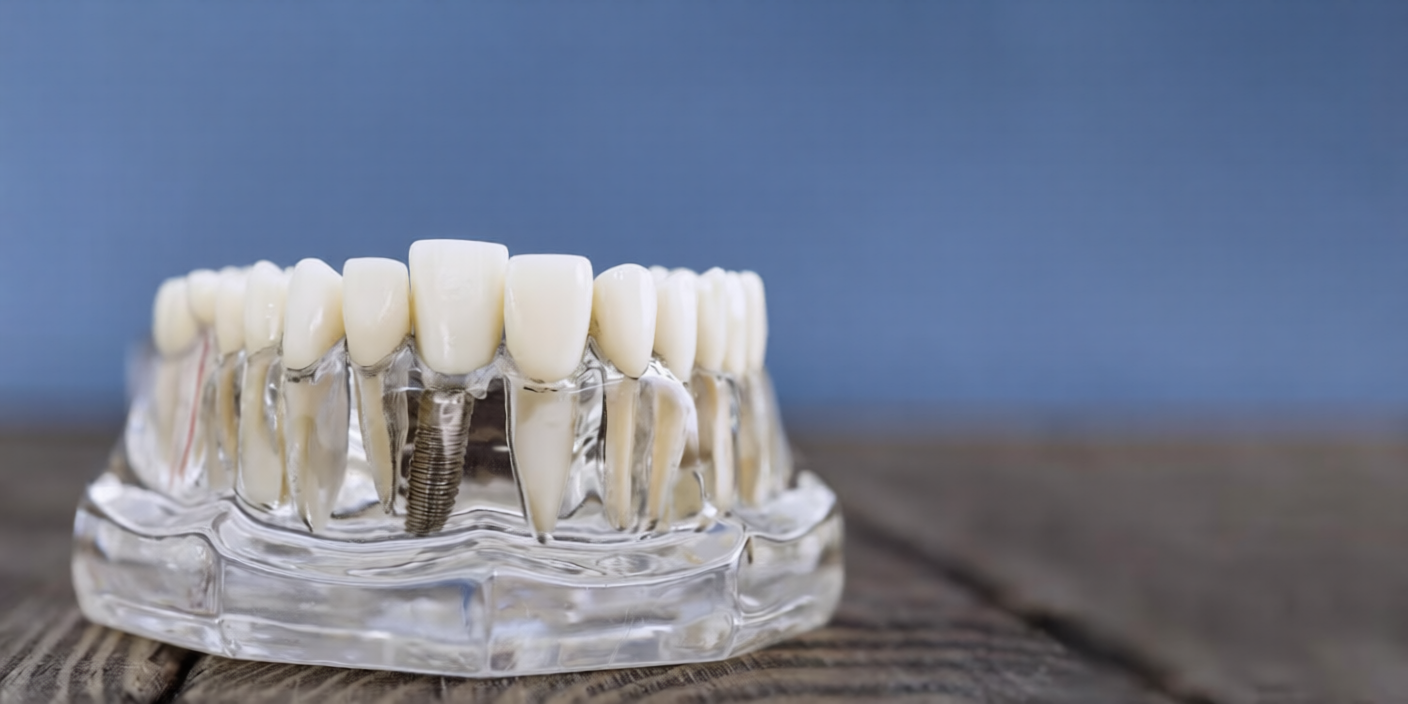
- The All-on-4 procedure generally takes three to four hours per jaw.
- IV (twilight) sedation is the most common choice available to patients undergoing All-on-4 surgery.
- Your temporary teeth are fitted on the same day or within one to three days after surgery.
- Most patients can resume light daily activities within 7-14 days after their procedure.
- Complete bone integration with your titanium implants typically occurs over a period of three to six months.
What Should You Expect Before Your All-on-4 Surgery?
Preparation for All-on-4 surgery begins several weeks before your scheduled procedure date. Your dental team conducts comprehensive assessments to determine your suitability for treatment. Understanding what happens before surgery helps you prepare physically and mentally for the process ahead.
Initial Consultation and Assessment
Your first consultation involves a thorough oral examination by your dentist. Medical history is reviewed to identify any conditions that may affect treatment. You’ll discuss your goals and what you hope to achieve with full arch restoration. Not all patients are suitable candidates for All-on-4 implants. Individual assessment determines whether this treatment option is appropriate for your circumstances.
3D Imaging and Treatment Planning
Advanced CBCT (cone beam computed tomography) scans create three-dimensional images of your jaw. These scans help assess bone density and nerve locations and guide implant positioning. Digital impressions are taken to design your temporary and final prosthetic bridges. Your dentist uses this data to plan precise implant angles and depths. A surgical guide is often created to support planned placement during the procedure.
Pre-Surgery Preparations
Several steps may be required in the weeks leading up to surgery:
- Medical Preparations:
- Some medications may need to be paused temporarily (always follow your dentist’s advice).
- Any active gum disease or infections must be addressed first.
- Blood tests may be requested for certain medical conditions.
- Logistical Preparations:
- You’ll need to arrange transport home after surgery, as you cannot drive following sedation.
- Planning for three to five days off work for initial recovery is generally recommended.
- Before your appointment, consider purchasing soft foods and preparing your home so you can rest comfortably afterwards.
- Day Before Surgery:
- You must fast for six to eight hours before your appointment if you will be receiving IV sedation or a general anaesthetic.
- You should avoid alcohol for 24 hours before your appointment.
- Wear comfortable, loose-fitting clothing on the day of your procedure.
Not all patients require tooth extractions before All-on-4 surgery. Some individuals have already lost most or all of their teeth in the affected arch. Your treatment plan will specify the preparatory work required.
What Happens During the All-on-4 Surgical Procedure?
The All-on-4 surgical procedure follows a carefully planned sequence of steps. First, sedation is administered to help support your comfort throughout the surgery. Any remaining teeth in the arch are removed if necessary. Your jawbone is then prepared to receive the four titanium implants.
Two implants are placed vertically near the front of your jaw. Two additional implants are angled at approximately 45 degrees towards the back. Healing abutments are attached to the implants once they’re secured in position. Finally, a temporary prosthetic bridge is connected to provide immediate function.
Step 1: Sedation and Getting Comfortable
Comfort measures are provided before any surgical procedure. IV sedation (also called twilight sedation) is administered through a small cannula. You remain conscious but deeply relaxed with little awareness of the procedure. Local anaesthetic is injected to completely numb the surgical area.
Many patients report minimal or no memory of the surgery afterwards. General anaesthetic is available for patients who prefer to be fully asleep. This option requires treatment in a hospital or day surgery facility.
Step 2: Tooth Extraction and Bone Preparation
If any remaining teeth are in the treatment arch, they are carefully removed. The extraction sites are cleaned, and any infection is addressed. A procedure called alveolectomy may be performed to reshape the bone surface. This creates an even, stable foundation for your implants. The goal is to support optimal contact between the implants and your bone.
Step 3: Implant Placement Technique
Four implants are placed using a strategic approach designed to maximise stability:
- Two vertical front implants are positioned in the anterior (front) region of your jaw.
- Two angled posterior implants are placed at approximately 45-degree angles towards the back.
- The angled placement allows implants to anchor in denser bone areas.
- This technique may reduce the need for bone grafting procedures in some cases.
- A surgical guide facilitates the accurate positioning of each implant according to your treatment plan.
- Implants are secured firmly into your jawbone using specialised instruments.
The angled posterior implants are a key feature that distinguishes All-on-4 from traditional implants. This design provides support while avoiding anatomical structures such as sinuses and nerves.
Step 4: Fitting Temporary Teeth
Healing abutments (connector posts) are attached to the top of each implant. A temporary prosthetic bridge is then secured to these abutments. Many patients receive their temporary teeth on the same day as surgery. In some cases, the temporary bridge is fitted one to three days after implant placement.
These temporary teeth are designed to help you eat soft foods during healing. They remain in place while your implants integrate with the bone. The entire surgical procedure usually takes three to four hours per jaw.
Some patients choose to have both upper and lower arches addressed simultaneously. Others prefer to complete one arch before proceeding to the second. Your dentist will recommend the approach that suits your circumstances
Sedation and Pain Management During All-on-4
Supporting your experience during All-on-4 surgery is important to you and your dental team. Understanding what to expect with sedation and pain management can help ease any concerns you might have about the procedure.
| Sedation Type | How It Works | What You’ll Experience | Recovery Time |
| IV Sedation (Twilight Sedation) | Medication delivered through a small cannula in the hand | Deep relaxation, able to respond to the dentist, little to no memory of surgery, time passes quickly | 30-60 minutes after the procedure |
| General Anaesthetic | Complete unconsciousness in a hospital or a day-surgery facility | Fully asleep and unaware, vital signs are monitored throughout | Longer than IV sedation |
| Local Anaesthetic | Multiple injections to numb the surgical area | Numbing of the surgical area, used alongside sedation | Several hours post-procedure |
| Post-Surgery Pain Relief | Prescription medication provided | Discomfort is commonly experienced for the first 48-72 hours, and swelling and soreness are common | Pain commonly decreases within the first week for many patients |
| Additional Comfort Measures | Ice packs applied to the face | May help with swelling | Typically applied during the first day |
Your sedation choice depends on your anxiety level, the complexity of your case, and your personal preferences. Each patient’s experience of discomfort varies with individual pain tolerance and the rate of healing.
What to Expect Immediately After Surgery
The recovery process begins as soon as your surgical procedure is complete. You’ll spend 30-60 minutes in a recovery area while sedation wears off. A responsible adult should drive you home and stay with you for the evening. Some swelling and discomfort are expected during the first few days following surgery. Many patients can resume light daily activities within 10-14 days of their procedure.
Recovery Room and Going Home
You’ll rest in a comfortable recovery area while the effects of sedation diminish. Your vital signs are monitored by trained staff during this time. Gauze is placed over the surgical sites to control any minor bleeding. You’ll receive detailed written instructions for home care before you leave.
Someone must drive you home, as you cannot operate a vehicle after sedation. Plan to rest quietly at home for the remainder of that day.
First 48 Hours
The first two days after surgery require rest and careful attention to your healing. Sleep with your head elevated using two or three pillows to minimise swelling. Swelling usually peaks on days two to three following the procedure. Apply ice packs to your face for 20 minutes on, 20 minutes off during the first 24 hours.
Consume only soft, cool foods and avoid anything hot during this initial period. Do not rinse your mouth forcefully or spit vigorously, as this may disrupt healing.
The First Week
Swelling gradually decreases over the first week after surgery. Continue eating soft foods that require minimal chewing during this time. Begin oral hygiene using a soft-bristled toothbrush around the surgical sites. Your dentist may recommend a prescribed mouth rinse.
A follow-up appointment is scheduled within 7-10 days after surgery. Most patients feel well enough to return to work after three to five days.
Ongoing Healing (Osseointegration)
Complete healing occurs over three to six months following implant placement. During this period, a process called osseointegration occurs within the jawbone. This means that your bone cells grow around and fuse with the titanium implants during healing, as expected. Your temporary teeth remain in place throughout this entire healing period.
You’ll attend periodic dental checkups so your dentist can monitor your healing progress. Once osseointegration is complete, you return for fitting of your final prosthetic bridge.
Frequently Asked Questions About All-on-4 Implant Surgery
These are some of the most common questions patients ask about the All-on-4 implant procedure.
How long does the All-on-4 surgical procedure take?
The All-on-4 procedure generally takes three to four hours per jaw. Duration depends on factors like whether tooth extractions are needed and the complexity of your case. Some patients have both upper and lower arches addressed in a single session. This approach may take six to eight hours in total.
Others prefer to complete one arch before scheduling the second procedure. Your temporary teeth are usually fitted on the same day or within one to three days. Your dentist will discuss the recommended timeline during your consultation appointment.
Are you asleep during All-on-4 implant surgery?
Most patients receive IV (twilight) sedation rather than being fully asleep during All-on-4 surgery. You remain conscious but deeply relaxed with little awareness of what’s happening around you. Local anaesthetic is also used to completely numb your mouth throughout the procedure. Many patients report having minimal or no memory of the surgery afterwards.
A general anaesthetic is available if you prefer to be completely asleep during treatment. This option requires that your procedure be performed in a hospital or a day-surgery facility. Your dentist will discuss all sedation options during your consultation to determine what is appropriate for you.
Is All-on-4 implant surgery painful?
During surgery, sedation and local anaesthesia are administered. Options are available to help with comfort during the procedure. After surgery, some swelling and soreness are normal during the first few days. Many patients report that the discomfort is manageable with prescribed analgesics.
Post-procedure symptoms decrease significantly within the first week. Individual experiences vary based on personal pain tolerance and the rate of healing. Your dentist provides pain management strategies and medication to support your recovery at home.
When can I eat normally after All-on-4?
You’ll need to follow a soft food diet for the first several weeks following your All-on-4 surgery. This allows your implants to integrate with your bone without excessive force or pressure. Soft foods like smoothies, scrambled eggs, mashed vegetables, and yoghurt are appropriate initially. Most patients gradually introduce slightly firmer foods as healing progresses over the following weeks.
You’ll wear temporary teeth during the three to six-month osseointegration period. Eating function improves after your final prosthetic bridge is fitted. Your dentist will provide specific dietary guidelines based on your healing progress.
What is the success rate of All-on-4 implants?
Clinical studies indicate that All-on-4 implants have success rates of approximately 94%-98% over 10+ years. These statistics are based on published research tracking implant survival and function over extended periods. Success depends on several factors, including your dentist’s experience and your overall health status.
Following your dentist’s post-operative care instructions also plays an important role in outcomes. Patient satisfaction rates with All-on-4 treatment are reported at approximately 95.6% in clinical studies. Individual results vary based on personal circumstances, including bone quality and oral hygiene habits. Your dentist can discuss factors that may influence your specific outcome during the consultation.
Final Thoughts
The All-on-4 dental implant procedure involves careful planning, precise surgical technique, and a structured recovery process. Understanding what happens at each stage helps you feel prepared. From your initial consultation through to final bridge placement, your dental team guides you. This procedure aims to address functional and aesthetic concerns in individuals with extensive tooth loss.
If you’re considering All-on-4 implants, book a consultation at Anchorage Dental Care. Our dental team can assess your suitability for treatment. The team is here to answer your questions and discuss whether this option is appropriate for you.
Written by: Dr. Michael Shams
Principal Dentist, Anchorage Dental Care Mindarie
AHPRA Registration: DEN0001580551




 How We Can Help
 General Dentistry
 Emergency Dentist
 Cosmetic Dentistry
 Dental Implants
 Restorative Dentistry
 Cosmetic Procedures
 Orthodontics
 Sedation and Sleep Dentistry
 Preferred Provider
 Other Payment Options
 Government Scheme