Start with our guide to dental implant benefits and alternatives, then see the pathway for options for missing teeth if you are still working out what to ask about.
Noticing a gap in your smile can be concerning. It might make you feel less confident and can lead to more serious oral health issues over time. This situation affects both your appearance and the well-being of your mouth. Thankfully, there's a way to address these challenges effectively.
Dental implants are a popular choice for improving dental health and aesthetics. This blog post highlights the many dental implant benefits, emphasising their role in enhancing oral health and boosting self-esteem. We'll explore the dual impact of the treatment, detailing the functional benefits of dental implants and their social advantages in restoring natural smiles.
Discover the dental implant benefits and how they can enhance your daily life by filling gaps. Join us in taking steps towards a brighter smile and a healthier future.
- Dental implants enhance dental health and aesthetics, addressing gaps in smiles effectively.
- They boost oral health and self-esteem, offering functional and social benefits.
- Implants restore chewing function and support natural speech, making eating enjoyable again.
- Implants transfer chewing forces to the jawbone, but bone loss can still occur and gum and bone health need ongoing review.
- Like natural tooth roots, implants encourage jawbone health and facial structure preservation.
- Choosing dental implants does not remove the possibility of bone loss or changes in facial shape; ongoing cleaning and clinical review remain important.
- Implants preserve the surrounding teeth's structure, providing independent support without altering adjacent teeth.
- The proper care routine for dental implants is straightforward, promoting good oral hygiene.
- Implants do not prevent gum disease; the gum and bone around them still need daily cleaning and professional review.
- Implants address tooth-replacement needs; appearance, function, maintenance and risks should be discussed during assessment.
- Opting for dental implants addresses both aesthetic and functional needs, enhancing overall well-being.
Understanding the Functional Benefits of Dental Implants
Dental implants do more than just enhance your smile; they play a vital role in everyday functions like eating and speaking. Here's an overview of the roles and functional benefits of dental implants:
- Restoring chewing function:
Implants provide a strong foundation for prosthetic teeth, enabling you to enjoy your favourite foods without worry. They mimic the strength of natural teeth, providing a dependable option for eating. - Preserving natural speech:
Missing teeth or poor-fitting dentures can affect speech. Implants help keep the mouth's structure intact so speech remains clear. - Supporting oral health:
Implants transfer chewing forces to the jaw bone, but bone and gum changes can still occur around them. dental implants and oral health.
Dental implants offer significant functional benefits crucial for daily life and oral health.
Jawbone Health and Prevention of Bone Loss
When a tooth is lost, the jawbone in the area can weaken due to lack of stimulation. Dental implants offer a way to maintain jawbone health and avoid bone loss. Here's how:
- Jaw bone stimulation:
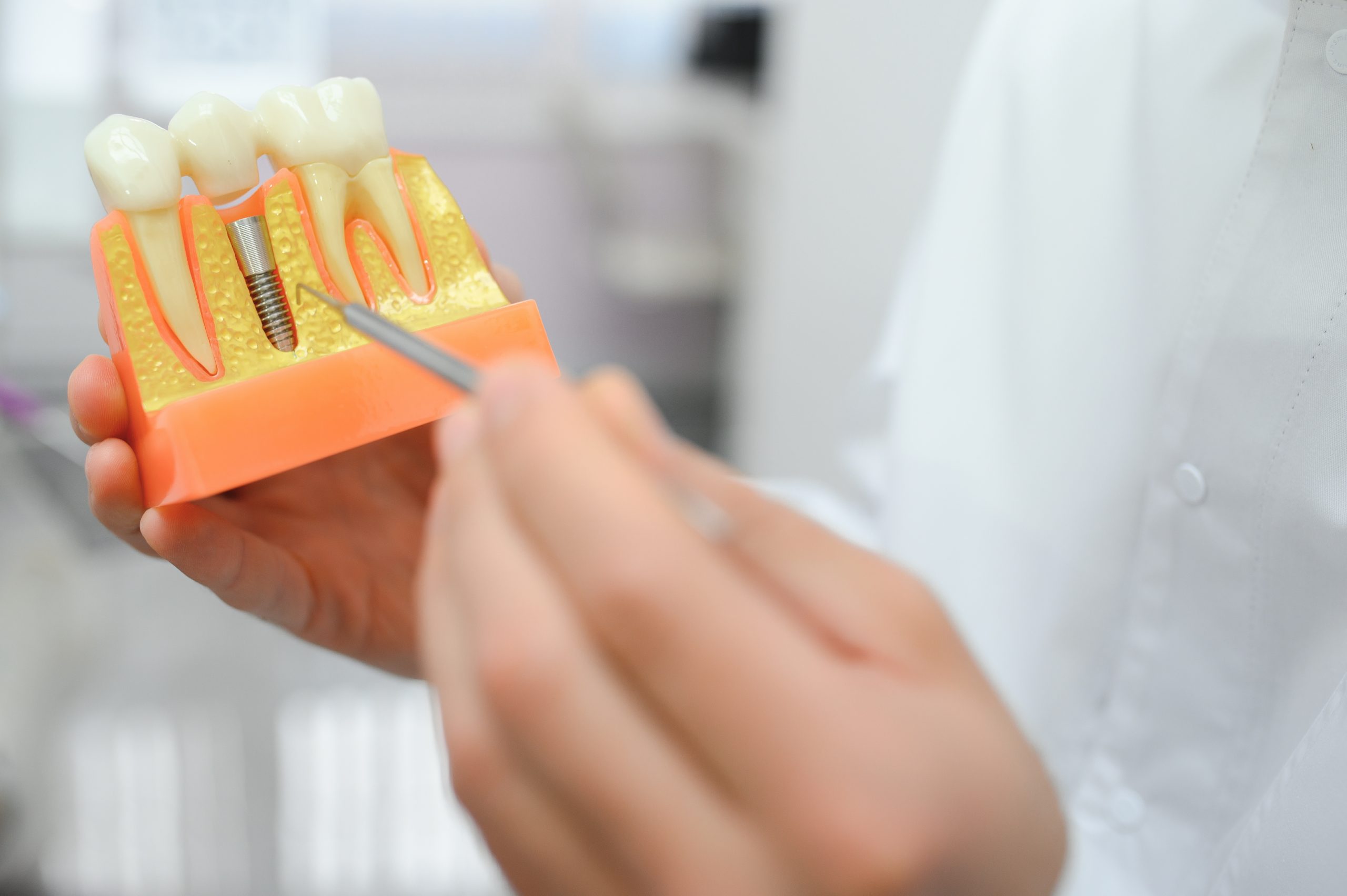
Dental implants act like natural tooth roots, providing the necessary stimulation to the jawbone. This stimulation is crucial because it encourages the maintenance of the density of bone and its volume. - Osseointegration process:
The term "osseointegration" refers to the fusion between the dental implant and the bone tissue. This process is vital for a few reasons:- It anchors the implant firmly in place, mimicking the stability of natural teeth.
- It preserves bone health by providing the stimulation needed to maintain jaw bone mass.
- Prevention of bone loss:
Without the root structure of a tooth present to stimulate the jawbone, the bone begins to resorb or break down. Implants mimic the function of natural tooth roots, preventing this process. This is crucial not just for maintaining a healthy jaw bone but also for the overall facial structure.
Integrating with bone tissue, the dental implant provides a strong foundation for artificial tooth roots, helping preserve bone health and natural bone growth. This treatment offers a comprehensive approach that improves your quality of life and allows you to eat confidently. The focus on bone health makes dental implants a preferred option for tooth replacement.
Preservation of Surrounding Teeth
One of the remarkable benefits of dental implants is their ability to preserve the natural structure of neighbouring healthy teeth. Unlike other common tooth replacement options, such as dental bridges, implants offer a unique advantage.
Here's how dental implants play a pivotal role in preserving surrounding teeth:
- No alteration to neighbouring teeth:
Dental implants do not rely on adjacent teeth for support. Implants do not require modifying healthy teeth to anchor a replacement tooth, unlike dental bridges. - Maintaining natural tooth structure:
By avoiding altering surrounding teeth, dental implants preserve more of the patient's natural tooth structure. This approach not only benefits both dental implants and oral health but also maintains the integrity of the patient's existing teeth. - Independent support:
The implant is placed directly into the healthy bone structure, providing independent support for the false tooth. This method significantly reduces any undue stress or strain on adjacent teeth, which could lead to wear or damage over time.
Choosing dental implants for tooth replacement means opting for a method that respects and preserves the health of your entire mouth. Dental professionals recognise this treatment as not just a way to replace damaged teeth. It is a comprehensive approach to maintaining dental hygiene and overall oral health.
Improvement in Oral Hygiene and Easier Maintenance
Dental implants offer an easy route for cleaning and upkeep, closely resembling care for real teeth. This is key for maintaining good oral hygiene, which is crucial for both the implants and the natural teeth around them.
Let's break down how dental implants can be maintained simply and effectively.
- Simplicity in cleaning:
Implants mimic natural teeth, facilitating easy brushing and flossing. This approach is vital for preventing plaque and maintaining gum health, underpinning the functional benefits of dental implants. - Routine dental check-ups:
Like with natural teeth, dental implants require regular dental check-ups. These visits allow professionals to assess the implant and surrounding bone's health, facilitating timely dental implant procedures. - Natural oral hygiene practices:
Dental implants need daily brushing and cleaning between the implant teeth; your clinician may recommend interdental brushes, floss or a water flosser. Brushing, flossing, and using mouthwash daily keep both implants and natural teeth healthy. - Benefits beyond cleanliness:
Proper maintenance enhances the durability of dental implants, making them a dependable choice for tooth replacement. Good oral care benefits implants, natural teeth, and gums, highlighting the link between dental implants and oral health.
Dental implants provide an effective and convenient treatment option for replacing missing teeth, with maintenance routines that are easy to follow. They can improve overall oral health and enhance quality of life after tooth loss.
Mitigation of Oral Health Issues and Diseases
Dental implants stand out for their role in combating various oral health issues, notably in reducing periodontal disease risks. They fill the empty spaces left by missing teeth, significantly impacting overall oral wellness.
Here’s how dental implants contribute to mitigating oral health problems:
- Limiting spaces for bacteria:
By filling the gaps caused by lost teeth, dental implants decrease areas where harmful bacteria can gather. This directly lowers the chance of developing periodontal disease, which is crucial for gum and tissue health. - Enhancing oral health:
Replacing missing teeth with implants improves oral hygiene. They prevent the shifting of adjacent teeth and allow for normal chewing, keeping gums healthy and reducing the likelihood of decay. - Providing durable tooth replacement:
Implants are a long-lasting option for replacing teeth and can be a solid alternative to traditional dentures. This is especially true for those with jawbone or conventional denture fit issues.
Dental implants help prevent conditions like periodontal disease. Additionally, they offer a natural option for tooth replacement, supporting better oral hygiene and a comfortable lifestyle after tooth loss.
Psychological and Social Benefits
Dental implants offer significant advantages that extend beyond oral health, positively influencing psychological well-being and social life. Here’s a closer look at the social benefits of dental implants:
- Boost in self-esteem:
Dental implants are designed to replace missing teeth; suitability and appearance vary by case. People’s responses to changes in appearance vary; discuss appearance goals and limits during treatment planning. - Improved social engagement:
With the newfound confidence that dental implants provide, engaging in social activities becomes more enjoyable. People tend to become more communicative and expressive when they are not concerned about their smiles. How a person feels about speaking or smiling is individual and cannot be predicted from implant treatment. - Greater enjoyment of food:
One of the joys of dental implants is the ability to eat a wide range of foods with ease. Dental implants allow you to eat without mild discomfort or fear of slipping, resulting in a happier and better quality of life than conventional dentures. - Positive life perspective:
The comprehensive benefits dental implants offer, from improved functionality to aesthetic enhancement, can lead to a more positive outlook on life. Patients frequently report a changes in daily function and appearance, driven by their improved oral health and the functional benefits of their dental implants.
Dental implants do much more than restore missing teeth. They replace missing teeth, enhance social interactions, and contribute to a more satisfying life. They represent a significant step towards reclaiming your sense of self and enjoying life’s moments to the fullest.
The Dual Approach to Dental Care with Implants
Dental implants represent a holistic approach to dental care, uniquely addressing aesthetic and functional concerns. This comprehensive care significantly enhances overall health and well-being and boosts the social benefits of dental implants.
Let’s explore how dental implants provide a dual benefit:
- Aesthetic restoration:
Dental implants offer a natural approach to missing teeth, improving one’s smile and overall facial aesthetics. This visual enhancement changes how some people feel about their appearance and contributes positively to mental health. - Functional improvement:
Beyond looks, implants restore chewing strength and function, allowing for a varied diet. This is crucial for nutritional benefits and overall physical health. - Promoting jawbone health:
Implants stimulate bone growth, preventing jawbone resorption. This process helps maintain facial structures and supports overall jaw health. - Enhancing quality of life:
Implant-supported teeth may change how some foods feel to chew, but comfort and day-to-day experience vary.
Dental implants are one option for replacing missing teeth; suitability, gum and bone health, maintenance and risks need individual assessment. They enhance both the aesthetics and functionality of the mouth, contributing to the overall quality of life and long-term oral health.
Dental implants significantly enhance dental care by addressing both functional needs and aesthetic preferences. They change how some people feel about their appearance for individuals with tooth loss. Exploring the dental implant benefits reveals their role in not just oral health but also in boosting overall life quality. They go beyond replacing missing teeth, contributing to a person's confidence and social life.
Considering dental implants is worthwhile for those looking into tooth replacement options. They offer a mix of health benefits, functionality, improved appearance, and the social benefits of dental implants. Opting for dental implants means choosing a path to a better, enhanced smile and enhanced well-being, reflecting a straightforward choice for lasting dental health and personal satisfaction.
Book a consultation with Anchorage Dental Care Mindarie to explore how dental implants can discuss your treatment options.