

If you’ve been wearing traditional dentures, you might have experienced challenges that affect your daily comfort and self-esteem. Perhaps you’ve noticed movement during meals or felt anxious about slippage when speaking. Many patients tell us they appreciate the ability to eat, smile, and speak freely without worrying about their prosthesis. Whilst traditional dentures serve an important role for many, they’re not the only option available today.
Modern dentistry offers several options that address different needs and preferences. Each has unique characteristics, with varying advantages and considerations. What works well for one person may not be the ideal choice for another. Your oral health, general health, lifestyle needs, financial situation, and personal goals all play a role in determining which approach may be most suitable for you.
Understanding these denture alternatives can help you make an informed choice about your oral health. No single option is universally the right choice; it depends on your individual circumstances. A professional assessment with your dentist can help you explore which options may be appropriate based on your specific situation.
Contents Navigation
- 1 Summary of the Content:
- 2 Common Reasons People Explore Alternatives to Traditional Dentures
- 3 Dental Implants as a Denture Alternative
- 4 Fixed Dental Bridges for Multiple Missing Teeth
- 5 Implant-Supported Dentures Combining Stability with Denture Format
- 6 Important Factors to Consider in Selecting the Right Option for You
- 7 Final Thoughts
Summary of the Content:
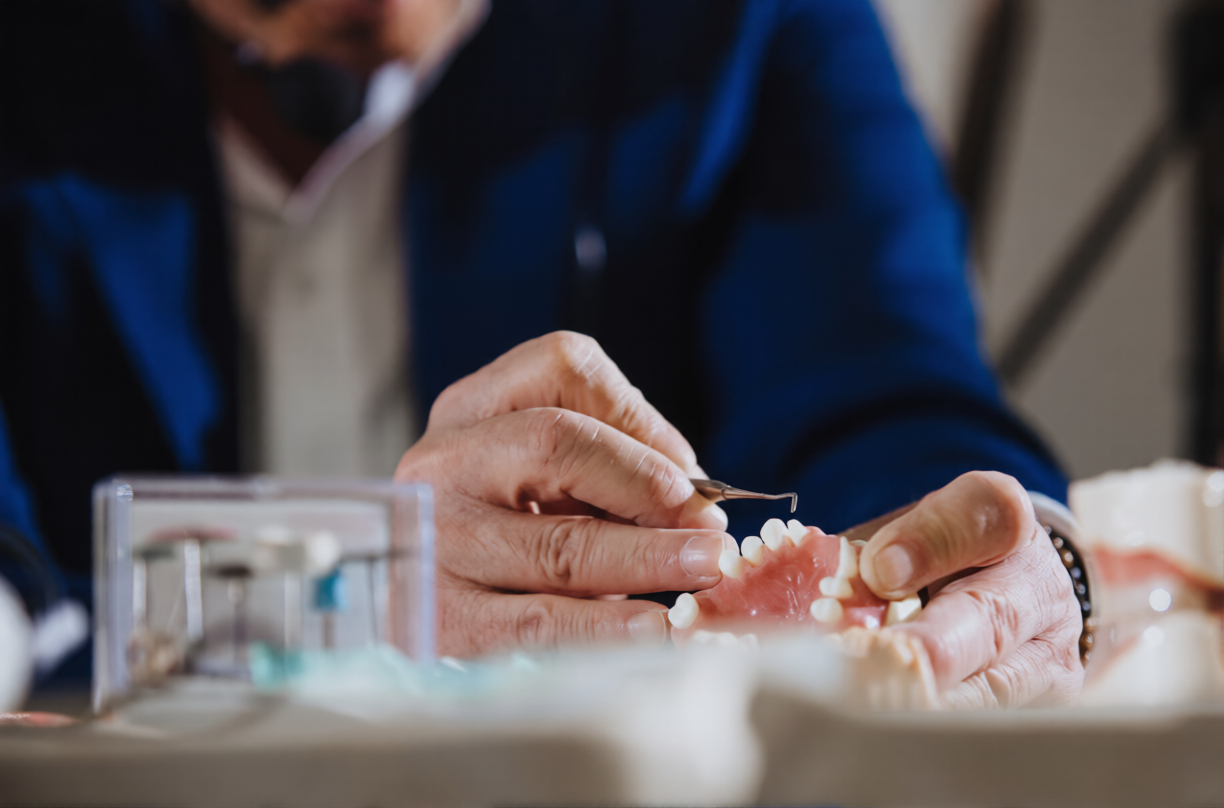
- Traditional dentures may not meet everyone’s needs due to concerns about stability, comfort, or dietary limitations.
- Dental implants are titanium posts placed in the jawbone that can support crowns, bridges, or dentures.
- Fixed bridges use adjacent teeth to anchor replacement teeth without requiring surgery, though they involve preparing neighbouring teeth.
- Implant-supported dentures attach to dental implants for enhanced stability whilst maintaining a removable or fixed format.
- All-on-4 dental implants provide a full arch of fixed teeth using four strategically placed implants.
- Modern partial dentures offer improved materials, and combination approaches can be tailored to individual needs.
- Treatment selection depends on oral health status, general health, lifestyle needs, financial considerations, timeline requirements, and personal preferences.
- No single option is universally the right choice; it varies based on individual circumstances and professional assessment.
Common Reasons People Explore Alternatives to Traditional Dentures
Stability and Security Concerns
Some denture wearers experience movement when eating or speaking, particularly as jawbone shape changes over time. Whilst adhesives can help, they don’t work equally well for everyone. Anxiety about slippage can affect self-esteem in social situations. Individual experiences vary considerably based on denture fit, jawbone shape, and oral anatomy.
Comfort and Fit Challenges
Jawbone changes can affect denture fit over time. Some find that previously comfortable dentures begin to cause sore spots. Regular adjustments can help, but may not address all concerns depending on the extent of bone changes.
Dietary Limitations
Traditional dentures may limit the comfort of eating certain foods. Sticky foods like caramel or hard foods like raw vegetables can be challenging to eat. Whilst many adapt successfully, others find dietary restrictions affect their quality of life.
Aesthetic Preferences
Upper dentures cover the palate, which some find uncomfortable. Others prefer fixed options that don’t require daily removal. Preferences for removable versus fixed prostheses vary considerably between individuals.
Bone Preservation Considerations
Traditional dentures don’t stimulate the jawbone like natural teeth do. Research shows this can lead to progressive bone loss over time. Some options may help preserve bone structure more effectively by stimulating the jawbone.
Dental Implants as a Denture Alternative
What Are Dental Implants?
Dental implants are titanium posts surgically placed in your jawbone to act as artificial tooth roots. Once integrated with your bone, they can support crowns, bridges, or dentures. The implant remains beneath your gum line, with only the visible restoration showing. You can learn more on our dedicated dental implant page at Anchorage Dental Care.
How Dental Implants Work
Implant placement is typically a multi-stage process over several months. Your dentist places the titanium post into your jawbone, followed by a healing period during which osseointegration occurs – your bone fuses with the implant surface. After healing, an abutment connects to the implant, and finally, your new restoration is secured. Temporary prostheses can often be worn during healing.
Potential Advantages
When weighing dental implants vs dentures, the key differences relate to stability and bone preservation, unlike traditional dentures that rest on gums, implants anchor in your jawbone. Research shows implants may help preserve bone density, as published in the International Journal of Oral & Maxillofacial Implants. The comparison of dental implants vs dentures also involves function – many patients find implants function similarly to natural teeth.
Considerations and Limitations
Implants require sufficient bone density. Bone grafting may be an option if you’ve experienced significant loss, though this adds time and cost. As a surgical procedure, implant placement carries risks including infection and implant failure, though complications are relatively uncommon. The timeline is longer than some options – expect several months. Implants may not suit patients with certain health conditions affecting healing. Costs are typically higher than with traditional dentures initially.
Suitability Factors
Adequate bone density and overall oral health provide the foundation for successful implant placement. Good general health and normal healing capacity are important, as the procedure relies on your body’s ability to heal and integrate the implant. Commitment to oral hygiene and maintenance is crucial for long-term success – implants require thorough daily cleaning and regular professional maintenance.
Financial considerations play a practical role in decision-making, as does your personal preference for a fixed option. Individual goals matter significantly – if preserving your jawbone, avoiding daily removal of prostheses, and achieving maximum stability are priorities, implants may align well with your objectives.
Success Rates and Evidence
Peer-reviewed research consistently shows high success rates for dental implants in suitable candidates. Studies show that implant survival rates typically exceed 95% over 10-year periods when proper protocols are followed and patients maintain adequate oral hygiene. However, individual outcomes vary based on bone quality, oral hygiene habits, smoking status, overall health, and your dental team’s skill. No dental professional can secure success, as biological responses differ between individuals.
Fixed Dental Bridges for Multiple Missing Teeth
Traditional Dental Bridges Explained
A bridge consists of a false tooth (pontic) anchored by crowns on adjacent teeth. Unlike removable partials, bridges are cemented and become fixed. They can replace one or several adjacent missing teeth. Traditional bridges differ from Maryland or resin-bonded bridges in their attachment method.
How Bridges Work
Creating a bridge typically requires two to three appointments. Your dentist prepares the adjacent teeth by removing enamel to accommodate crowns. Impressions create a custom bridge matching your natural teeth. A temporary bridge may be placed whilst the new one is fabricated. At your final appointment, the new bridge is fitted and cemented.
Potential Advantages
Bridges provide a fixed prosthesis without surgery, appealing to those who wish to avoid surgery. The timeline is shorter than implants – typically completed within weeks. Bridges can restore chewing function effectively for many patients. Depending on your situation, dental bridges may be more cost-effective than implants. When properly fitted, bridges provide a natural appearance.
Considerations and Limitations
Creating a bridge requires preparing healthy adjacent teeth – an irreversible change. Adjacent teeth must be strong enough to support the bridge. Unlike implants, bridges don’t prevent bone loss beneath the pontic. Research shows bridges typically need replacement after 5 to 15 years. Maintaining dental bridges requires diligent cleaning with special tools. Inadequate hygiene risks decay in supporting teeth.
Maryland/Resin-Bonded Bridges
Maryland bridges offer a more conservative option for certain situations. They require minimal tooth preparation, with wings bonded to the back of adjacent teeth. These are generally less durable than traditional bridges but are suitable for specific situations, particularly front teeth, where forces are lower
Suitability Factors
Dental bridges work well when you have healthy, strong teeth adjacent to the gap and are missing one to three consecutive teeth. Adequate oral hygiene commitment is essential. Your dentist evaluates tooth position, bite forces, and the condition of adjacent teeth to determine suitability.
Implant-Supported Dentures Combining Stability with Denture Format
Understanding Implant-Supported Dentures
When considering dental implants vs dentures, implant-retained options offer a middle ground. Implant-supported dentures attach to dental implants for enhanced stability, typically requiring two to six implants per arch. They can be removable (overdentures) or fixed. This represents a middle ground – more stable than traditional dentures, more cost-effective than full implant restoration.
How They Work
Implants are placed in strategic positions in your jawbone. After healing and integration, your denture is designed with special attachments. Removable versions click onto implant abutments, allowing you to remove the denture for cleaning. Fixed versions are screwed or cemented onto implants and remain in place.
Potential Advantages
Many patients experience greater stability compared to traditional dentures. The implants provide anchor points that reduce movement during eating and speaking. Research shows these can help preserve bone better than traditional dentures. Removable versions maintain cleaning accessibility – you can remove the denture for thorough cleaning. Cost is typically less than replacing all teeth with individual implants.
Considerations and Limitations
Implant-supported dentures still require implant surgery with associated healing time. The prosthesis is more complex than traditional dentures, with attachment components requiring maintenance. Removable types still need daily removal and cleaning. Attachment components can wear and may need to be replaced after several years. Adequate bone for implant placement remains necessary.
All-on-4 / All-on-X Treatment Concept
All-on-4 dental implants provide a full arch of fixed teeth supported by four strategically placed implants. The All-on-4 concept uses angled implants. Sometimes more implants are used (All-on-6 or All-on-X), depending on bone quality. The prosthesis is fixed and non-removable. In certain situations, temporary teeth can be placed the same day as implant placement, though this depends on individual factors. All-on-4 dental implants are available in Perth through consultation at Anchorage Dental Care Mindarie.
Suitability Factors
This approach may suit current denture wearers seeking improved stability. You need adequate bone density in strategic locations. Comfort with surgical procedures is necessary. An individual clinical assessment evaluates your anatomy, bone quality, oral health, general health, and personal goals. All-on-4 dental implants require a thorough evaluation to determine suitability.
Other Alternative Options
Partial Dentures
Modern partial dentures offer improved materials and designs. Chrome cobalt frameworks provide strength with less bulk, whilst flexible thermoplastic partials offer comfort in some cases. Partials are typically less expensive than many alternatives and are suitable for patients missing some but not all teeth.
Combination Approaches
Some patients benefit from combining different options – perhaps implants in some areas where stability matters most, with bridges elsewhere. Personalised planning considers the remaining teeth’s condition, bone availability, functional requirements, aesthetic goals, and budget. This individualised approach can sometimes achieve better outcomes.
When Traditional Dentures May Still Be Appropriate
Traditional dentures remain entirely appropriate in many situations. Cost constraints, health conditions precluding surgery, patient preference for removable options, or adequate satisfaction with well-fitted dentures are all valid reasons. Traditional dentures serve an important role and remain a suitable choice for many patients, particularly when other options may not be appropriate.
Important Factors to Consider in Selecting the Right Option for You
Oral Health Status
Bone density and quality, gum health, the condition of remaining teeth, and overall oral health all influence which options may be suitable. Professional assessment evaluates these factors.
General Health Considerations
Overall health affects treatment options. Conditions affecting healing, medications impacting bone metabolism or immune function, and the ability to undergo surgery all matter. Discuss your complete medical history with your dentist and physician.
Lifestyle and Functional Needs
Dietary preferences, professional speech requirements, athletic activities, social priorities, and daily maintenance willingness all influence which option might suit you.
Financial Considerations
Initial investment varies substantially. Consider long-term value alongside initial cost. Health fund cover, payment plan availability, and long-term maintenance costs differ between options. Individual budget constraints are real and valid.
Timeline and Commitment
Treatment duration differs significantly: dentures within weeks, bridges within two to three weeks, and implants over several months. Consider appointment frequency, healing time, and long-term maintenance commitment.
Personal Preferences
Your preferences regarding fixed versus removable prostheses, willingness for surgical procedures, aesthetic priorities, and comfort with maintenance routines are valid considerations.
Long-term Goals
Consider desired longevity, willingness to accept potential replacement, bone preservation priorities, and quality-of-life objectives when evaluating options.
Final Thoughts
Multiple options exist in modern dentistry, each with different characteristics. Dental implants, bridges, and implant-supported dentures represent primary categories. Understanding options helps you make informed choices. Each offers potential advantages alongside important limitations. Individual suitability varies based on health, lifestyle, finances, and preferences. No single option is universally the right choice, as it depends on your situation.
Understanding options empowers meaningful conversations with your dental team. Professional guidance is essential for realistic expectations. Take time to consider what matters most. Ask questions and seek clarification whenever needed. Making an informed choice requires understanding both potential benefits and realistic limitations.
If dissatisfied with current dentures, exploring denture alternatives may be worthwhile. When considering denture alternatives, a consultation provides information about suitable options and realistic outcomes. However, not everyone needs to pursue alternatives – this depends on individual satisfaction. Modern dentistry offers options for various needs and preferences.
We encourage you to book a consultation to discuss your situation. At Anchorage Dental Care Mindarie, we take a comprehensive approach to understanding your needs, assessing your oral health, and explaining suitable options based on your circumstances. We provide information and guidance without pressure.
Contact us to arrange a consultation to discuss your concerns, answer your questions, and help you understand realistic options. We look forward to exploring how modern dentistry might improve your quality of life.


 How We Can Help
 General Dentistry
 Emergency Dentist
 Cosmetic Dentistry
 Dental Implants
 Restorative Dentistry
 Cosmetic Procedures
 Orthodontics
 Sedation and Sleep Dentistry
 Preferred Provider
 Other Payment Options
 Government Scheme