

You’ve invested in dentures to restore your smile and ability to eat comfortably. Now, you might be wondering how to care for them properly to support their function and longevity. Denture care doesn’t have to be complicated, but understanding the proper techniques can make a significant difference in how your dentures look, feel, and perform.
In this comprehensive guide, we’ll walk you through everything you need to know about caring for your dentures. You’ll learn daily cleaning routines, overnight storage methods, common problems to watch for, and when to seek professional help. We’ll also share practical lifestyle tips that can help you feel more comfortable as a denture wearer.
Contents Navigation
Summary of the Content:

- Dentures typically need replacement every 5-10 years, though this timeframe varies based on individual care practices and oral health changes.
- Daily cleaning with denture-specific products helps reduce bacterial buildup, staining, and odours whilst supporting denture material integrity.
- Removing dentures overnight allows oral tissues to rest and provides time for thorough soaking, which supports cleaning effectiveness.
- Common problems like staining, warping, and fit changes may be reduced through proper temperature management, careful handling, and awareness of early warning signs.
- Professional dental check-ups complement home care by identifying issues early, providing deep cleaning, and making necessary adjustments or restorations.
- Denture care involves using appropriate tools, including soft-bristled denture brushes, proper storage containers, and cleaning solutions formulated specifically for denture materials.
Understanding Your Dentures
Types of Dentures
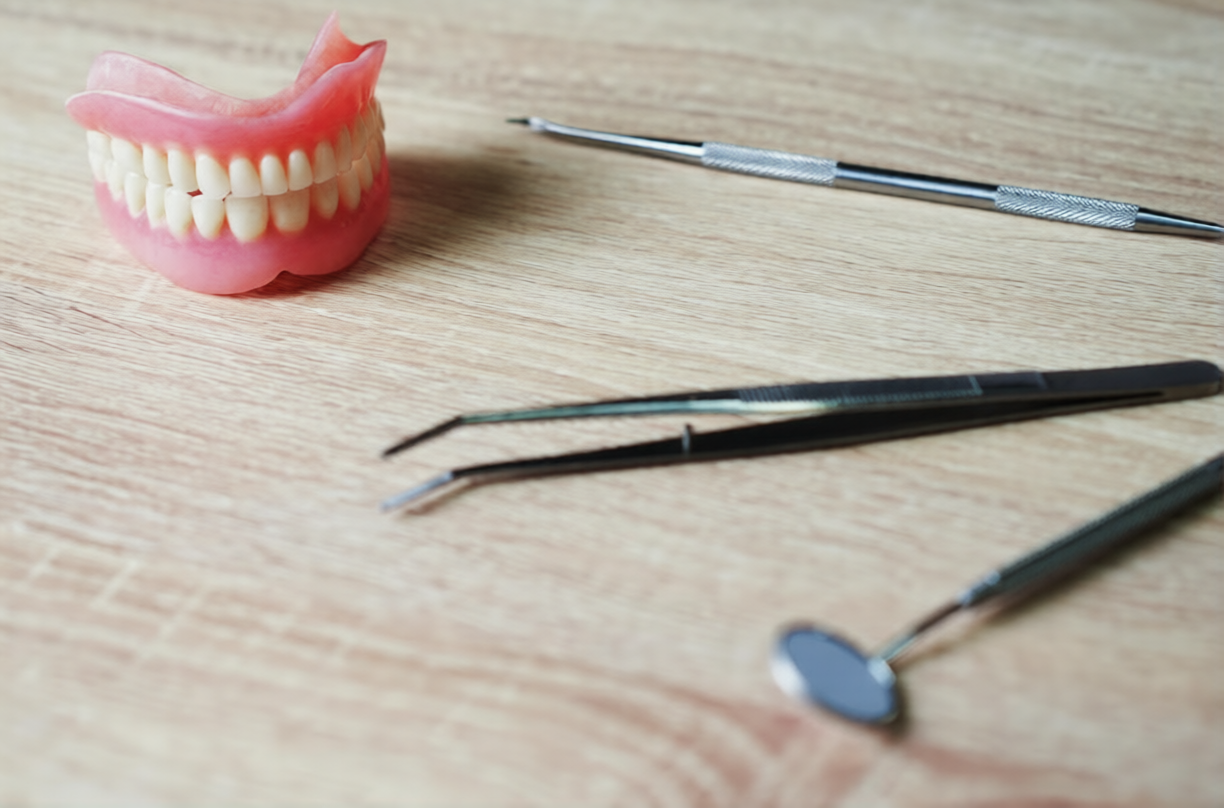
Dentures come in different types, each designed to meet specific needs. Full dentures replace all teeth in the upper or lower jaw, whilst partial dentures fill gaps where some natural teeth remain. The materials used in denture construction also vary. Most dentures feature an acrylic base that mimics the appearance of natural gums. Some partial dentures incorporate a metal framework for added strength and stability.
How Dentures Work
Dentures function by resting on your gums and, in the case of full dentures, creating a seal with your oral tissues. A proper fit is essential for comfort and function. When dentures fit well, they stay in position during eating and speaking. Ill-fitting dentures can slip, cause sore spots, or make certain activities uncomfortable.
Why Care Matters
Denture maintenance directly affects your oral health, comfort, and quality of life. Proper care helps reduce bacteria buildup that can lead to bad breath, gum irritation, or oral infections. Regular cleaning also helps maintain the appearance of your dentures, reducing stains and discolouration that can affect your comfort.
Understanding how to clean dentures properly depends partly on knowing what type you have. Full dentures require cleaning all surfaces, including the base and teeth. Partial dentures need special attention around the metal clasps that attach to natural teeth. These clasps can accumulate bacteria and debris if not cleaned thoroughly.
Expected Lifespan
The length of time dentures last varies considerably based on several factors. Dentures typically require replacement every 5-10 years, though individual experiences differ. Your specific experience depends on factors including care practices, oral health changes, and usage patterns.
How long dentures last also depends on the natural wear of materials over time. Acrylic can become stained or develop small cracks over time. Denture teeth may wear down from chewing forces. Metal components in partial dentures can lose their spring or develop signs of fatigue. Whilst proper care may support the functional life of your dentures, eventual replacement is normal and expected.
Daily Denture Cleaning Routine
Why Daily Cleaning Matters
Daily cleaning helps reduce several problems that can affect both your dentures and oral health. Bacteria naturally accumulate on denture surfaces throughout the day. Without regular removal, these bacteria form a film called plaque, which can cause bad breath and contribute to gum irritation.
Staining develops gradually when food particles and beverages remain on denture surfaces. Daily cleaning helps remove these substances to reduce staining. Regular cleaning also helps maintain the smooth surface of your dentures, making them more comfortable to wear.
Step-by-Step Cleaning Process
How to clean dentures effectively involves several steps that together provide thorough care:
- Rinse your dentures under running water after each meal when possible. This simple step helps remove loose food particles and reduce bacterial buildup between thorough cleanings.
- Brush all denture surfaces using a denture brush and denture-specific cleaner. Use circular motions to clean the teeth, base, and any crevices. Pay special attention to grooves and areas that contact your gums, as bacteria tend to accumulate there.
- Soak your dentures overnight in an appropriate solution or water. This soaking period allows cleaning solutions to work more effectively and helps reduce the risk of dentures drying out.
- Rinse your dentures again in the morning before inserting them. Even if you soaked them in a cleaning solution overnight, this final rinse confirms no solution remains.
Cleaning Products to Use and Avoid
Proper denture cleaning means choosing the right products. Denture-specific cleaners are formulated to clean effectively without damaging denture materials. Denture brushes feature softer bristles than regular toothbrushes and are shaped to reach all denture surfaces. The softness helps reduce the risk of scratching the acrylic material, whilst the design allows you to clean hard-to-reach areas thoroughly.
Several common products should never be used for denture care. Regular toothpaste contains abrasives that can scratch denture surfaces. These tiny scratches create rough spots where bacteria and stains accumulate more easily. Hot water can warp denture materials, affecting fit. Use lukewarm or cool water instead. Harsh chemicals, such as bleach, can damage or discolour dentures. Stick to products specifically designed for denture cleaning.
Handling Tips
Dentures are durable but can break if dropped on hard surfaces. Always clean your dentures over a water-filled basin or folded towel. Hold them firmly but gently whilst cleaning. If your hands are soapy or wet, take extra care as dentures can become slippery.
Frequency Recommendations
At a minimum, thoroughly clean your dentures once daily, preferably at night before soaking them. This daily cleaning removes the day’s accumulation of bacteria, food particles, and other debris. Additional rinsing after meals may help reduce staining and bacterial growth.
Overnight Denture Care
Why Remove Dentures at Night
Most dental professionals recommend removing dentures overnight to allow oral tissues to rest. This rest period may help reduce irritation and inflammation that can develop from 24-hour denture wear.
Bacteria reduction represents another important reason for overnight removal. Your mouth produces less saliva while you sleep. Without adequate saliva, bacteria multiply more easily on denture surfaces.
Proper Storage Methods
How you store your dentures overnight matters as much as removing them. Place them in a container filled with water or denture-soaking solution. Soaking solutions come in various formulations. Effervescent tablets dissolve in water to create a cleaning and freshening option.
If you prefer not to soak your dentures, plain water works for overnight storage. Use cool or lukewarm water, not hot. Hot water can cause dentures to warp, affecting their fit. Change the water daily to prevent bacterial growth in the storage container.
Some dental professionals may recommend keeping dentures out of water overnight in specific situations. This approach, called dry storage, might be suitable for certain denture materials or individual circumstances. Your dentist can advise whether this method suits your needs.
Morning Preparation
Before inserting your dentures in the morning, rinse them thoroughly under running water. Some people prefer to brush their dentures again in the morning before insertion. If you do brush them in the morning, use careful motions and rinse well afterwards.
Rinse your mouth with water or mouthwash before inserting your dentures. This practice may help freshen your breath and remove bacteria that have accumulated on your gums overnight.
Individual Variations
Whilst overnight removal benefits most denture wearers, some situations may call for different approaches. Some people may find that removing dentures overnight causes jaw discomfort or affects their bite in the morning. Others may need to wear dentures continuously for a period after the initial fitting.
Your dentist may provide specific guidance based on your case. If you have questions about whether you should remove your dentures overnight, discuss them during your next dental visit. The same applies if you’re experiencing problems with overnight removal.
Preventing Common Denture Problems
Staining Prevention
Denture staining develops gradually from exposure to certain foods, beverages, and substances. Coffee, tea, red wine, berries, and tomato-based sauces contain pigments that can discolour denture materials. Tobacco use also contributes significantly to staining.
Cleaning frequency affects staining as well. Daily cleaning helps remove substances to reduce the discolouration of denture surfaces. If you notice early signs of staining, increasing your cleaning frequency may help. Professional cleaning may help with stains that home care doesn’t remove.
Warping Prevention
Temperature management plays a crucial role in maintaining denture shape. Extreme heat can cause denture materials to warp and affect fit. Avoid leaving dentures in direct sunlight or near heat sources, such as radiators or car dashboards.
Proper storage helps reduce the risk of warping. Dentures left out to dry can lose moisture and change shape. Always store your dentures in water or a soaking solution when not wearing them. If you need to transport dentures, keep them in a sealed container with enough moisture to prevent them from drying out.
Damage Prevention
Careful handling helps reduce the risk of chips, cracks, and other physical damage. Always handle dentures over a water-filled basin or soft surface. This precaution provides a cushion if you drop them. Dentures can crack or break if they fall onto hard surfaces, such as bathroom counters or floors.
When cleaning, use appropriate tools and moderate pressure. Denture brushes are designed with the right firmness for denture materials. Avoid using hard-bristled brushes, metal scrapers, or other implements that could scratch or damage denture surfaces.
Store your dentures when not wearing them. Keep them out of reach of pets and young children, as curious pets might chew on dentures, causing irreparable damage. Children might drop dentures or handle them inappropriately.
Odour Prevention
Denture odours typically result from bacterial buildup. Regular cleaning is an important factor in managing unpleasant smells. Without thorough daily cleaning, these bacteria multiply and produce odours.
If dentures continue to smell unpleasant despite regular cleaning, professional cleaning may help. Stubborn odours sometimes indicate deep-set bacteria or calculus buildup that home care can’t fully address. Your dental professional has tools and treatment options that provide deeper cleaning.
Fit Changes
Your mouth changes over time, which affects how dentures fit. Bone resorption, a natural process, gradually alters your jaw structure. This change happens to everyone, but the rate varies. As your jawbone changes shape, dentures that once fitted snugly may become loose.
Recognising fit changes helps you seek timely adjustments. Signs include dentures that move when you eat or speak, clicking sounds, and sore spots on your gums. You might also notice difficulty chewing certain foods or changes in how your bite feels. Early attention to fit issues may help reduce more significant problems.
Some fit changes happen quickly, whilst others develop gradually. If you notice sudden changes in fit, contact your dental professional rather than waiting for your regular check-up. Rapid changes might indicate underlying issues that need attention.
Oral Health Maintenance
For partial denture wearers, caring for remaining natural teeth is essential. Bacteria can transfer from dentures to natural teeth, increasing the risk of cavities. Brush your natural teeth at least twice daily using fluoride toothpaste. Floss daily to remove bacteria and food particles from between teeth.
All denture wearers need to maintain healthy gums and mouth tissues. Even without natural teeth, gum care matters. Gently brush your gums, tongue, and palate with a soft toothbrush each morning before inserting dentures. This practice removes bacteria and stimulates circulation in your gum tissues.
Professional Denture Care
Regular Dental Check-ups
Professional dental visits complement your home denture maintenance efforts. Most dentists recommend denture wearers schedule check-ups at least annually, though some individuals may benefit from more frequent visits.
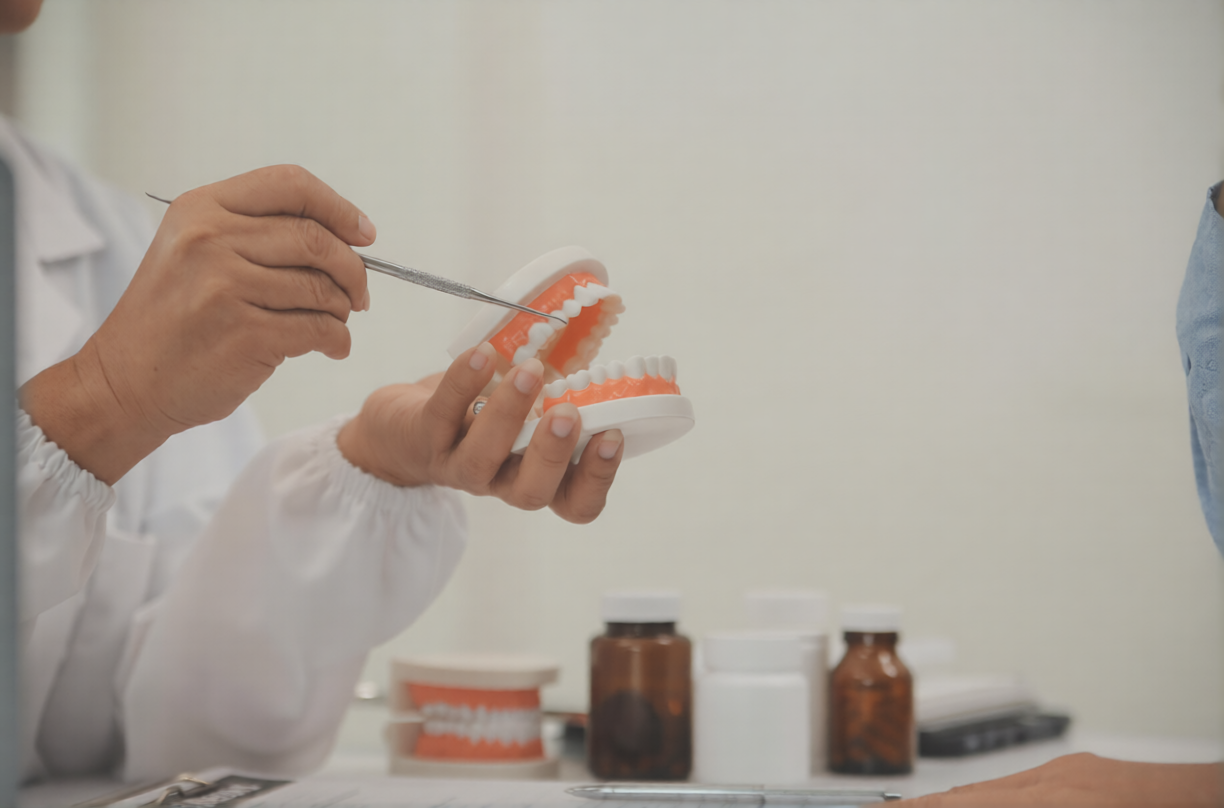
During check-ups, your dentist examines your dentures for signs of wear, damage, or deterioration. They assess your oral tissues for irritation, inflammation, or other concerns. They also evaluate denture fit and function. This professional assessment may identify issues before they become serious problems.
Professional Cleaning
Whilst daily home cleaning is essential, professional denture cleaning provides deeper cleansing that home care can’t achieve. Dental professionals use dental equipment to remove stubborn stains, calculus buildup, and embedded bacteria. This professional cleaning may help restore dentures to a cleaner, fresher state. Some dental professionals recommend professional cleaning annually as part of routine denture maintenance.
Denture Adjustments
Over time, dentures may need adjustments to maintain proper fit and function. Dental professionals can make various modifications to improve comfort and performance. These adjustments might include smoothing rough spots, adjusting clasps on partial dentures, or relieving pressure points that cause sore areas.
Professional adjustments can address specific problems.If your dentures click when you eat or speak, adjustments to the bite may help. If you’re developing sore spots in the same location repeatedly, your dentist can modify that area to reduce pressure. Never attempt to adjust dentures yourself; DIY modifications can cause irreversible damage.
Relining and Repairs
Relining involves adding new material to the denture’s tissue-bearing surface to improve fit. As your jawbone changes shape through natural resorption, gaps develop between dentures and gums. Relining fills these gaps, restoring a snug fit. Soft relines use pliable materials for added comfort, whilst hard relines use firmer materials for durability.
Denture repairs address specific damage, such as cracks, breaks, or loose teeth. Professional repair provides restoration options using appropriate materials and techniques. If you notice any cracks, loose teeth, or other problems, schedule a dental visit promptly rather than waiting to see if the issue worsens.
Replacement Timing
Despite proper care, dentures eventually need to be replaced. Several signs indicate replacement time has arrived. If your dentures no longer fit well despite relining attempts, replacement may be necessary. Extensive wear on denture teeth affects chewing efficiency and appearance. Visible cracks or structural damage that can’t be addressed also warrant replacement.
Changes in your oral health might necessitate new dentures. Gum disease treatment, additional tooth loss, or significant jaw structure changes can make existing dentures unsuitable. Your dental professional can assess whether your current dentures remain appropriate for your needs.
Denture Care Products and Tools
Essential Tools
A basic denture care toolkit includes several items. A denture brush features soft bristles and a shape designed specifically for cleaning denture surfaces. Whilst standard toothbrushes might seem similar, denture brushes are specifically designed to protect denture materials whilst providing thorough cleaning.
A denture storage container with a lid protects dentures during soaking and storage. Choose a container large enough to submerge your dentures fully. Clear or translucent containers help you see your dentures inside, reducing the risk of accidentally discarding them.
Denture cleaning solutions come in various forms. Effervescent tablets offer convenience and effective cleaning. Liquid concentrates provide economical options for regular use. Some people prefer cleaning pastes or gels applied directly to dentures before brushing. Each type may be effective when used as directed.
Product Selection Criteria
When selecting denture care products, consider several factors. Choose products specifically formulated for dentures rather than adapting products meant for natural teeth or other purposes. Look for products from reputable manufacturers that provide clear usage instructions.
Effectiveness varies among products. Some products focus on removing stains, others on freshening, and some on disinfecting. Consider your specific needs when selecting products.
Your dental professional can recommend products suitable for your denture type. Some materials have specific care requirements. Professional guidance can assist in determining product compatibility.
What to Avoid
Several common products should never come into contact with your dentures. Regular toothpaste contains abrasives that damage denture surfaces. Similarly, household cleaners like bleach, ammonia, or general-purpose cleaners can discolour or weaken denture materials. Even diluted, these substances aren’t recommended for denture care.
Whitening products designed for natural teeth shouldn’t be used on dentures. These products can discolour or damage denture materials. If you want to address denture staining, use denture-specific whitening products or have your dentures professionally cleaned.
Cost Considerations
Denture care products range in price, but effective care doesn’t necessarily require expensive products. Balancing quality and affordability involves considering cost per use rather than just package price. Larger packages often provide better value. Generic or store-brand denture products may provide comparable results to name brands, whilst costing less. Compare active ingredients and usage instructions to assess whether generic products offer comparable quality.
Where to Purchase
Pharmacies stock a variety of denture care products, making basic supplies readily available. Most supermarkets carry denture cleaning tablets and related products in their personal care sections. These retail locations let you easily compare products and prices.
Dental clinics sometimes stock professional-grade denture care products not available in retail stores. These specialty products may offer different formulations or other options. If you’re interested in professional-grade products, ask your dental professional for recommendations and where to purchase them.
Lifestyle Tips for Denture Wearers
Dietary Considerations
Adjusting to dentures often involves some dietary modifications, particularly during the initial adaptation period. Start with soft foods that require minimal chewing whilst you become accustomed to your dentures. Gradually reintroduce firmer foods as your comfort grows. This progressive approach may support learning how to chew with dentures.
Some foods present challenges for denture wearers. Very sticky foods, such as caramel or certain candies, can dislodge dentures or make them stick uncomfortably. Hard foods like nuts, raw carrots, or crusty bread may require more chewing force. You don’t necessarily need to avoid these foods entirely, but approach them thoughtfully. Cut hard foods into smaller pieces before eating. Take smaller bites and chew slowly to maintain better control.
Speaking Adjustments
Many new denture wearers notice changes in speech initially. These changes are normal and typically improve with practice. Reading aloud provides a good practice opportunity. Start with short passages and gradually increase duration as comfort improves. Singing along with music offers another enjoyable way to practice speaking with dentures. These activities may support your mouth and tongue coordination with your dentures.
If speech difficulties persist beyond several weeks, consult your dental professional. Denture adjustments may help improve speech quality.
Social Situations
Self-esteem with dentures in social settings develops over time. Many people initially feel self-conscious about eating in front of others or worry that others will notice their dentures. Remember that most people won’t notice you’re wearing dentures unless you draw attention to them. Modern dentures look very natural.
If you’re concerned about eating during social occasions, choose foods you’ve practised eating at home. Avoid foods you know cause difficulties until you’re more comfortable. Position yourself so you can eat at your own pace without feeling rushed. There’s no need to keep up with faster eaters.
Exercise and Physical Activity
Physical activities generally remain accessible with properly fitted dentures. Most exercises and sports don’t significantly affect denture stability. Some high-impact activities or contact sports might pose challenges, but appropriate precautions help. If you participate in activities with a risk of facial impact, consider protective mouthguards designed to fit over dentures. If denture instability during exercise becomes bothersome, discuss options with your dental professional.
Travel Considerations
Travelling with dentures requires minor additional preparation. Pack denture cleaning supplies in your travel kit. Include your denture brush, cleaning tablets or solution, and your storage container. Having these essentials supports maintaining your care routine whilst away from home.
Try to maintain your regular cleaning routine as much as possible despite schedule disruptions. If maintaining your exact routine proves difficult, prioritise thorough daily cleaning even if timing varies from your usual schedule.
Special Considerations
Partial vs. Full Denture Care Differences
Partial dentures require attention to both the denture and your remaining natural teeth. The metal clasps that hold partial dentures in place need thorough cleaning, as bacteria accumulate around these attachments. When cleaning partial dentures, pay special attention to these clasps and the areas where they contact natural teeth.
Full dentures allow you to clean your entire mouth without having to work around natural teeth. However, caring for the tissues underneath full dentures remains important. Remove your dentures daily to clean your gums, palate, and tongue. This cleaning stimulates tissues and removes bacteria that accumulate during denture wear.
Implant-Supported Denture Care
Some implant-supported dentures can be removed for cleaning, whilst others remain secured. Removable implant dentures follow similar care procedures to conventional dentures, with added attention to cleaning attachment mechanisms. Implant dentures that can’t be removed by patients require cleaning techniques similar to natural teeth, including thorough brushing and possibly interdental cleaning tools.
Denture Care for Elderly Patients or Caregivers
Elderly individuals or those with limited dexterity might need assistance with denture care. Caregivers play an important role in maintaining denture hygiene for those who cannot manage it independently. Handle dentures gently but thoroughly during cleaning. If the person can participate in their care, encourage involvement to maintain independence and dignity.
Managing Dentures with Oral Health Conditions
Certain oral health conditions require modified denture care approaches. Gum disease requires particular attention. If you have partial dentures and develop gum disease, meticulous cleaning of both dentures and natural teeth becomes even more critical. Follow your dental professional’s recommendations for addressing gum disease while continuing to wear dentures.
Oral thrush, a fungal infection, can develop in denture wearers, particularly those with weakened immune systems. Good denture hygiene may help reduce the risk of this condition. If you develop white patches in your mouth or notice persistent soreness under dentures, consult your dental professional promptly.
Final Thoughts
Proper denture care supports your oral health and quality of life. The daily routines we’ve discussed—thorough cleaning, appropriate overnight care, and awareness of potential problems—form the foundation of successful denture maintenance. These practices, whilst requiring some time and attention, may become routine with consistent application.
If you have questions about your dentures or need professional guidance, we’re here to help. Book a consultation with our team at Anchorage Dental Care Mindarie to discuss your specific needs. We can assess your current denture condition, address any concerns, and provide personalised recommendations for your care routine.


 How We Can Help
 General Dentistry
 Emergency Dentist
 Cosmetic Dentistry
 Dental Implants
 Restorative Dentistry
 Cosmetic Procedures
 Orthodontics
 Sedation and Sleep Dentistry
 Preferred Provider
 Other Payment Options
 Government Scheme