

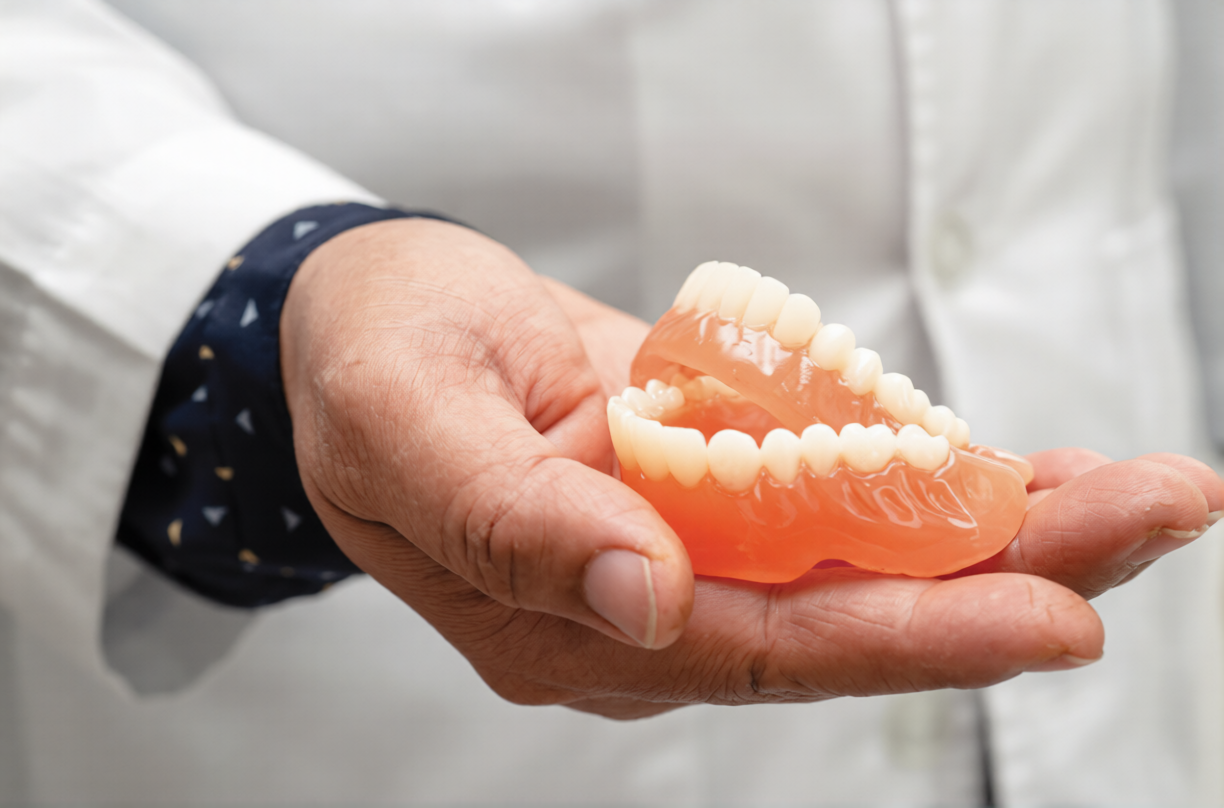
Dentures are valuable tooth replacement options that can help restore oral function and support daily activities. Many rely on them for essential functions such as eating, speaking, and feeling comfortable in social situations. When properly maintained, dentures can provide functional support for many years.
However, small care errors can lead to significant problems over time that may affect comfort, fit, and the longevity of your dentures. Common denture mistakes can compromise the effectiveness of your dentures and may contribute to oral health concerns. Understanding proper care strategies can help you avoid discomfort and potentially costly damage.
In this blog, we’ll explore evidence-based practices for denture maintenance that may help extend the life of your dentures. We’ll cover the frequent errors denture wearers make and provide practical information about how to avoid them. You’ll understand comprehensive proper denture care to help maintain both comfort and oral health.
Contents Navigation
- 1 Summary of the Content:
- 2 Why Avoiding Common Denture Mistakes Matters for Your Oral Health
- 3 Mistake #1 - Failing to Clean Your Dentures Daily
- 4 Mistake #2 - Wearing Your Dentures Continuously Without Rest Periods
- 5 Mistake #3 - Attempting to Repair Dentures at Home
- 6 Mistake #4 - Delaying Professional Attention for Ill-Fitting Dentures
- 7 Mistake #5 - Cleaning Dentures with Harsh or Inappropriate Products
- 8 Mistake #6 - Storing Dentures Incorrectly When Not in Use
- 9 Mistake #7 - Neglecting Professional Denture Examinations and Oral Health Check-ups
- 10 Other Common Denture Mistakes That Can Affect Comfort and Function
- 11 Creating A Comprehensive Daily Denture Care Routine
- 12 Recognising When to Contact Your Dentist About Denture Concerns
- 13 Final Thoughts
Summary of the Content:
- Daily cleaning is essential for maintaining denture hygiene and preventing bacteria buildup that can lead to oral health concerns.
- Wearing dentures continuously without rest periods can increase the risk of gum irritation and fungal infections.
- Attempting home adjustments with household adhesives can create safety hazards and may cause severe damage to your dentures.
- Ill-fitting dentures require professional attention, as ignoring fit problems can lead to sore spots, difficulty eating, and accelerated bone loss.
- Denture cleaning mistakes, such as using harsh or inappropriate cleaning products, can scratch denture surfaces and damage the materials over time.
- Improper storage methods can warp dentures or allow them to dry out, affecting their shape and fit.
- Regular professional check-ups allow for early detection of problems and help maintain proper denture fit through timely adjustments.
- Developing a consistent denture care routine with both daily maintenance and regular professional evaluations can help preserve your dentures and support oral health.
Why Avoiding Common Denture Mistakes Matters for Your Oral Health
Proper denture care affects both your daily comfort and your broader oral health. When dentures are well-maintained, they may provide more comfortable function and potentially longer service life. Mistakes in care can lead to multiple problems, including discomfort, infections, and damage to the dentures themselves.
Poor denture care can impact your oral tissues, gum health, and bone preservation. Denture cleaning mistakes can lead to complications such as denture stomatitis, gum irritation, sores, bone resorption, bad breath, and difficulty eating or speaking. Consistent care habits can help prevent these issues and support your overall quality of life.
Mistake #1 - Failing to Clean Your Dentures Daily
Daily cleaning is essential for maintaining denture hygiene and supporting the longevity of your dentures. Dentures accumulate plaque, bacteria, and stains throughout the day, just like natural teeth would.
Skipping regular cleaning can lead to several consequences:
- Bacterial accumulation:
Bacteria build up on denture surfaces, creating an environment that can contribute to oral infections. - Denture stomatitis risk:
Increased bacterial load can lead to fungal infections in the mouth, causing redness and discomfort. - Staining and discolouration:
Food and beverage pigments can stain denture materials if not cleaned regularly. - Accelerated wear:
Plaque buildup can cause dentures to deteriorate more quickly than they would with proper denture care. - Malodour development:
Bacteria and food particles trapped on dentures can cause persistent bad breath.
Follow these daily care steps to help avoid denture cleaning mistakes:
- Rinse after eating:
Rinse your dentures after each meal to clear away loose food particles and debris. - Brush daily:
Brush your dentures at least once daily using a soft-bristled denture brush designed for this purpose. - Use appropriate cleanser:
Use a non-abrasive denture cleanser rather than regular toothpaste, which can scratch the surface. - Clean thoroughly:
Clean all denture surfaces carefully, paying attention to areas where food accumulates, then rinse well under lukewarm water.
Mistake #2 - Wearing Your Dentures Continuously Without Rest Periods
Your gum tissues need regular rest periods to maintain their health and recover from daily pressure. Wearing dentures continuously can increase your risk of infections and tissue damage.
Continuous wear without rest is one of the common denture mistakes that can lead to several consequences:
- Denture stomatitis risk:
Wearing dentures 24 hours a day significantly increases the risk of fungal infections in the mouth. - Gum inflammation:
Tissues become irritated and swollen when they don’t receive adequate rest from denture pressure. - Accelerated bone loss:
Constant pressure on the jawbone can contribute to faster bone resorption over time. - Tissue changes:
Your oral tissues may change in ways that can affect how well your dentures fit.
Following these denture maintenance tips may help protect your oral tissues:
- Remove nightly:
Take your dentures out for at least six to eight hours each day, usually overnight while you sleep. - Clean before removal:
Clean your dentures thoroughly before taking them out for the rest period. - Store properly:
Place dentures in clean water or a denture solution while they’re out of your mouth. - Clean your mouth:
Clean your gums, tongue, and palate carefully with a soft toothbrush after removing your dentures.
Mistake #3 - Attempting to Repair Dentures at Home
Attempting DIY adjustments carries risks and is usually ineffective. It can worsen the damage and create health hazards that professional care could have avoided. What may seem like a simple task can actually compromise the structural integrity of your dentures and potentially harm your oral health. Many people resort to home adjustments because they’re dealing with ill-fitting dentures and want a quick approach, but this usually creates more problems.
Attempting to handle denture damage yourself carries several risks:
- Toxic adhesives:
Household glues contain chemicals that are not safe for oral use and can be harmful if ingested. - Poor bonding:
DIY adhesives usually create weak bonds that fail quickly, leaving you with the same problem. - Misalignment issues:
Home attempts to adjust ill-fitting dentures often result in improper alignment, which can cause bite problems, jaw discomfort, and uneven pressure on oral tissues that worsen the fit. - Severe damage:
DIY attempts can sometimes cause damage that makes it impossible for professionals to address the original problem.
Professional attention matters for several important reasons:
- Safe materials:
Dental professionals use materials specifically designed for oral use that are non-toxic and appropriate for dentures. - Precise alignment:
Professional equipment allows for accurate alignment and appropriate bonding techniques. - Complete assessment:
Your dentist can evaluate the overall condition of your dentures and identify any underlying issues.
If your dentures break, follow these steps:
- Store carefully:
Place all broken pieces in a sealed container to keep them safe and moist. - Contact your dentist:
Reach out to your dental professional promptly to schedule an appointment. - Avoid using damaged dentures:
Do not wear broken dentures, as they can cause injury to your mouth.
Mistake #4 - Delaying Professional Attention for Ill-Fitting Dentures
Denture fit naturally changes over time due to changes in your oral tissues and bone structure. Ignoring these fit changes can lead to complications.
Your denture fit changes for several reasons:
- Bone resorption:
The jawbone naturally changes shape over time after tooth loss. - Gum tissue changes:
Your gum tissues may shrink or change shape, affecting how dentures rest against them. - Denture wear:
The denture materials themselves wear down over time with regular use.
Several signs may indicate your dentures are no longer fitting properly:
- Movement during function:
Your dentures slip or move when you eat or speak, rather than remaining stable. - Chewing difficulties:
You find it increasingly difficult to chew certain foods that you could eat comfortably before. - Sore spots:
You develop areas of irritation, redness, or pain where dentures contact your tissues. - Excessive adhesive needs:
You require increasing amounts of denture adhesive to keep dentures in place. - Food trapping:
Food particles become trapped between your dentures and gums more frequently.
Ignoring ill-fitting dentures can result in several problems:
- Painful sores:
Poorly fitting dentures can create pressure points that lead to ulcers and persistent sores. - Nutritional concerns:
Difficulty chewing may limit your food choices and potentially affect your nutrition. - Speech difficulties:
Loose dentures can interfere with clear speech and communication. - Accelerated bone loss:
Poorly fitting dentures may contribute to faster bone resorption.
When you notice fit changes, take these steps:
- Schedule evaluation:
Contact your dentist to schedule a professional assessment of your denture fit in a timely manner. This is one of the key denture maintenance tips for addressing fit concerns. - Discuss options:
Talk with your dentist about relining, rebasing, or replacement options that may be appropriate. - Avoid self-adjustments:
Do not attempt to adjust or modify your dentures yourself. - Address promptly:
Early attention to fit problems with ill-fitting dentures may help prevent more serious complications and preserve your oral health and denture investment.
Mistake #5 - Cleaning Dentures with Harsh or Inappropriate Products
Not all cleaning products are safe for dentures, and using the wrong products can damage the materials your dentures are made from. Understanding which products to avoid can help preserve your dentures and maintain their appearance and function over the long term. One of the common denture cleaning mistakes is assuming that products safe for natural teeth are equally safe for dentures.
Several common products should never be used on dentures:
- Regular toothpaste:
Standard toothpaste is too abrasive for denture materials and creates microscratches that can harbour bacteria. - Household bleach:
Bleach can weaken denture materials and cause discolouration, even when diluted. - Hot water:
Boiling or very hot water can warp the acrylic base of dentures, affecting their fit. - Harsh chemical cleaners:
Strong household cleaners can damage denture materials and leave harmful residues.
Using inappropriate products damages dentures in several ways. These include creating surface scratches that harbour bacteria, causing chemical reactions that weaken materials, and warping acrylic from heat exposure. Harsh products may also remove protective polish and cause metal corrosion in partial dentures. These denture cleaning mistakes can shorten the lifespan of your dentures and compromise your denture hygiene.
Follow these denture maintenance tips for proper denture care:
- Use appropriate brushes:
Select a soft-bristled brush specifically designed for dentures. - Choose safe cleansers:
Use non-abrasive denture cleansers formulated for denture materials. - Use proper water temperature:
Clean dentures with lukewarm or cool water rather than hot water. - Select approved solutions:
Look for ADA-approved denture cleaning solutions when soaking your dentures.
For overnight soaking as part of your denture care routine, use denture cleaning tablets following the manufacturer’s instructions carefully, or store them in cool, clean water. Avoid using zinc-containing adhesive removers for soaking, as prolonged zinc exposure can have health implications.
Mistake #6 - Storing Dentures Incorrectly When Not in Use
The way you store your dentures when you’re not wearing them can significantly impact their shape and material integrity. Improper storage methods can warp dentures or cause damage.
Many people make these storage errors:
- Allowing dentures to dry:
Letting dentures dry out can cause them to warp and lose their proper shape. - Using hot water:
Storing dentures in hot or warm water can cause the acrylic to deform. - Storing dirty dentures:
Placing dentures in storage without cleaning them first allows bacteria to multiply. - Wrapping in tissues:
Wrapping dentures in napkins or tissues creates a risk of accidentally throwing them away.
These proper storage methods help maintain your dentures:
- Store in liquid:
Keep dentures submerged in clean, cool water or denture solution to maintain their shape. - Use a dedicated container:
Store dentures in a container specifically designed for this purpose. - Choose a safe location:
Keep the storage container in a secure spot away from edges where it could fall. - Change liquid daily:
Replace the water or solution in your storage container each day.
Proper storage practices matter because keeping dentures moist maintains their shape, prevents cracking, maintains pliability, and, when using appropriate solutions, helps reduce bacterial growth.
Mistake #7 - Neglecting Professional Denture Examinations and Oral Health Check-ups
Regular professional evaluation is essential for maintaining both your dentures and your overall oral health. Dental professionals can identify problems early and provide adjustments before issues become more significant.
Professional check-ups serve several important purposes:
- Fit assessment:
Your dentist evaluates how well your dentures fit and whether adjustments are needed. - Tissue examination:
Regular checks of your oral tissues can identify irritation, disease, or other concerns early. - Early problem detection:
Professional assessment can catch issues before they develop into larger problems. - Bone and gum monitoring:
Your dentist monitors changes in bone and gum tissues that may affect denture fit over time. - Cancer screening:
Oral cancer can occur in denture wearers, and regular screenings are an important part of preventive care.
Many denture wearers benefit from annual check-ups at a minimum, though individual needs vary. Your dentist can recommend a check-up schedule suited to your particular situation.
During a denture check-up, expect a visual examination of dentures for wear or damage, assessment of denture fit and retention, oral tissue examination, and bite evaluation. It also includes a discussion of any concerns and recommendations for adjustments or replacement.
Dentures generally need relining every two to three years, and complete replacement may be needed every 5-10 years. Regular monitoring helps you plan ahead for these needs.
Other Common Denture Mistakes That Can Affect Comfort and Function
Beyond the major care errors, several other mistakes can compromise your denture experience. Being aware of these additional concerns can help you maintain your dentures more effectively and support proper denture care practices:
- Excessive Adhesive Use:
Properly fitted dentures generally don’t require large amounts of denture adhesive to stay in place. If you find yourself using increasing amounts of adhesive, this usually indicates that your dentures may need professional adjustment. - Eating Hard or Sticky Foods Carelessly:
Extremely hard foods can damage the teeth on your dentures, while very sticky foods can dislodge them unexpectedly. Cutting food into smaller pieces and chewing evenly on both sides of your mouth can help protect your dentures. - Using Dentures as Tools:
Never use your dentures to open packages, bottles, or bite hard non-food objects. Excessive force on dentures can cause cracks or breaks that require professional attention. - Not Handling Dentures Carefully:
Dentures can break if dropped onto hard surfaces during cleaning or removal. Working over a folded towel or a sink filled with water provides a cushion if dentures slip from your hands. - Smoking While Wearing Dentures:
Smoking can cause significant staining on denture materials that may be difficult to remove. Beyond staining, smoking increases various oral health risks and may contribute to accelerated bone loss.
Creating A Comprehensive Daily Denture Care Routine
Developing a consistent denture care routine can help you avoid many common mistakes and maintain both your dentures and oral health. Daily habits usually matter more than occasional intensive care efforts.
- Morning Routine:
Remove your dentures carefully each morning and rinse your mouth with lukewarm water. Brush your gums, tongue, and palate carefully with a soft toothbrush before reinserting dentures. - Throughout the Day:
Rinse your dentures after meals whenever possible to remove food particles. If you need to remove dentures during the day, handle them carefully and keep them moist. - Evening Routine:
Remove your dentures before bed and rinse them thoroughly. Brush all denture surfaces using a denture brush and appropriate cleanser, then soak them in a suitable solution overnight. Clean your mouth thoroughly with a soft toothbrush, and store dentures properly. - Weekly Tasks:
Perform a deeper clean of your dentures using denture cleaning tablets. Clean your denture storage container thoroughly with soap and water. Inspect your dentures more carefully for any developing issues. - Regular Professional Care:
Schedule at least annual check-ups with your dentist to maintain proper denture fit and oral health. Address any concerns promptly rather than waiting for your next scheduled visit. - Building Sustainable Habits:
Start by making small changes to your current routine rather than trying to overhaul everything at once. Keeping your denture care supplies organised and easily accessible makes it more convenient to maintain your routine.
Recognising When to Contact Your Dentist About Denture Concerns
Certain signs require professional attention, and recognising when to seek help can prevent larger problems from developing. Early intervention may help address issues before they become more complex.
Immediate Professional Attention Needed
Contact your dentist promptly if your dentures break or develop cracks. Severe pain or sores that don’t heal within a few days need professional evaluation. Signs of infection, such as swelling, pus, or fever, require immediate attention. If your dentures won’t stay in place even with adhesive, or you experience dramatic changes in fit, schedule an appointment soon.
Schedule an Appointment Soon
Minor chips or cracks in dentures should be evaluated before they worsen. Persistent discomfort that doesn’t improve, difficulty eating or speaking clearly, or changes in how your bite feels all warrant professional attention. If you notice you’re using increasing amounts of adhesive to keep dentures in place, this often indicates fit problems that need addressing. Staining that doesn’t come out with regular cleaning or persistent bad breath despite good denture hygiene should also be discussed with your dentist.
Discuss at Next Regular Check-up
Mild irritation that comes and goes, general questions about your care routine, or interest in learning about different denture options can usually wait for your regular appointment. Aesthetic concerns about denture appearance and general care questions are appropriate topics for routine check-ups.
What to Expect from Professional Denture Services
When you visit your dentist for denture concerns, expect a thorough examination of both your dentures and oral tissues. Your dentist will discuss your specific concerns and assess whether adjustment or replacement may be appropriate. Individual needs vary, and professional evaluation can help determine the appropriate course of action for your specific circumstances.
Final Thoughts
Understanding and avoiding common denture mistakes may help you maintain better comfort, function, and longevity from your dentures. The key mistakes we’ve reviewed include neglecting daily cleaning, wearing dentures continuously without rest periods, attempting DIY approaches, ignoring fit problems, using harsh cleaning products, storing dentures improperly, and skipping regular professional check-ups. Addressing these areas through consistent care habits can make a meaningful difference.
Following denture maintenance tips and observing proper denture care practices can contribute to more positive outcomes with your dentures over time. Small daily habits often make a more significant difference than occasional intensive efforts. Professional guidance helps you navigate your individual needs and circumstances, as denture care requirements can vary from person to person. When properly maintained with consistent attention to both daily care and professional evaluations, dentures can provide functional support for many activities of daily living.
If you have questions about your denture care routine or concerns about your denture fit or comfort, consult with your dentistfor personalised guidance. At Anchorage Dental Care Mindarie, we provide comprehensive denture services for the Mindarie and Perth northern suburbs community, including evaluations, adjustments, and care guidance. Contact us to schedule a denture evaluation if you’d like a professional assessment of your current denture situation. Remember that denture care doesn’t have to be complicated, and small adjustments to your routine can make a meaningful difference in your comfort and oral health.


 How We Can Help
 General Dentistry
 Emergency Dentist
 Cosmetic Dentistry
 Dental Implants
 Restorative Dentistry
 Cosmetic Procedures
 Orthodontics
 Sedation and Sleep Dentistry
 Preferred Provider
 Other Payment Options
 Government Scheme