

- Dental professionals generally recommend removing dentures during sleep to allow gum tissue recovery and reduce bacterial growth in the mouth.
- Overnight denture wear creates a warm, moist environment that encourages bacterial and fungal growth, particularly when saliva production decreases during sleep.
- Regular sleeping with dentures increases the risk of denture stomatitis, a fungal infection affecting many continuous denture wearers.
- Some research suggests elderly adults who sleep with dentures regularly may experience increased pneumonia risk compared to those who remove dentures nightly.
- Continuous denture pressure without rest periods can accelerate bone resorption, affecting denture fit over time.
- Many people ask, “Can you sleep in dentures?” Exceptions include the initial adjustment period after receiving new dentures or specific sleep apnoea considerations under professional guidance.
- Proper denture care at night involves thorough cleaning and appropriate storage in water or soaking solution.
- Perth residents may benefit from consulting their dentist every 6-12 months for routine check-ups, though individual needs vary.
Contents Navigation
- 1 Summary of the Content:
- 2 Understanding Overnight Denture Wear
- 3 Why Dentists Recommend Removing Dentures at Night
- 4 Health Risks of Sleeping with Dentures
- 5 When Overnight Denture Wear May Be Necessary
- 6 Proper Nighttime Denture Care Routine
- 7 Caring for Your Gums While Dentures Are Out
- 8 When to Consult Your Perth Dentist
- 9 Final Thoughts
Summary of the Content:
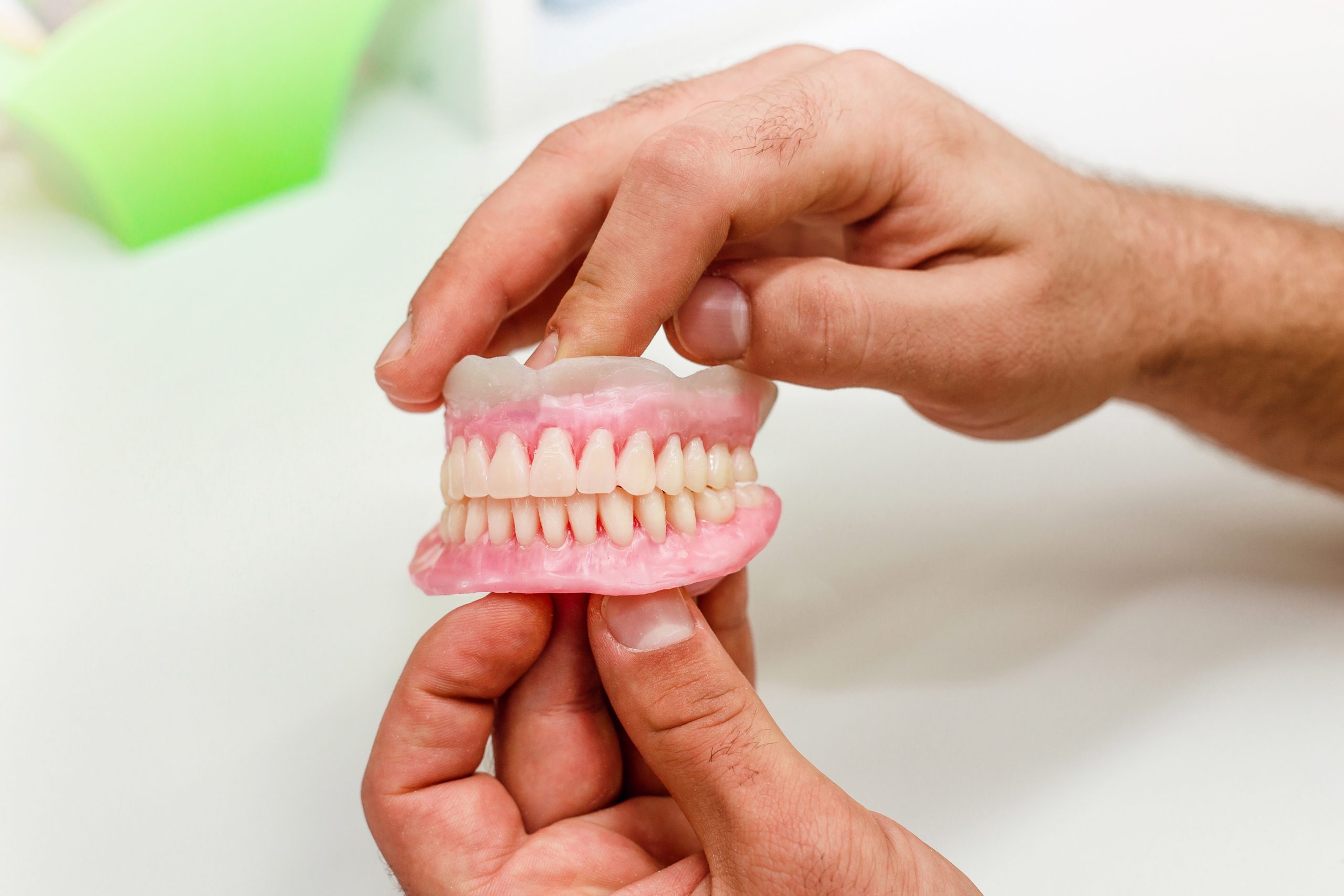
- Your first week involves significant adjustment as your mouth adapts to prosthetic teeth, with experiences varying based on whether you receive immediate dentures or conventional dentures.
- Immediate dentures are placed the same day as tooth extractions, allowing you to avoid a toothless period but requiring more adjustments.
- Days 1-2 usually bring dramatic sensations, including bulkiness, excess saliva, and challenges with eating and speaking with dentures.
- By days 3-4 during the adjustment period, the initial shock diminishes, but sore gums with dentures may develop.
- Days 5-7 often mark noticeable improvement for many patients, with eating with new dentures potentially becoming more manageable and speech often becoming clearer.
- Following a proper denture care routine from day one helps support oral health and may contribute to longevity.
- Speaking with dentures requires practice, but regular reading aloud and deliberate speech exercises support adaptation.
- Knowing when to contact your dentist—such as for severe pain or persistent bleeding—helps address problems promptly.
Understanding Overnight Denture Wear
Overnight denture wear refers to the practice of keeping dentures in place during sleep rather than removing them for the night. This is a relatively common practice among denture wearers. Many people continue this habit without realising it may affect their oral health or denture longevity.
Several reasons contribute to why people choose sleeping with dentures as their nightly routine rather than removing them before bed. Some denture wearers maintain this practice out of habit or convenience, while others feel self-conscious about their appearance without dentures. Many individuals simply don’t know that dental professionals recommend overnight removal, continuing practices they started without receiving clear guidance about proper care.
Why Dentists Recommend Removing Dentures at Night
Many dental professionals suggest removing dentures during sleep, though individual circumstances may vary and should be discussed with your dentist. This recommendation stems from both extensive oral health research and clinical observations of complications that develop in patients who wear dentures continuously. Understanding the answer to “Can dentures be kept in overnight?” helps you form sound decisions about your oral health routine.
Below are some reasons why dentists recommend it:
- Gum tissue recovery:
Gum tissues may benefit from approximately 6-8 hours of rest from denture pressure to recover and maintain healthy tissue condition. - Bacterial growth prevention:
Removing dentures may help reduce the warm, moist environment where bacteria and fungi multiply rapidly during sleep when saliva production decreases. - Infection risk reduction:
Overnight removal may help lower your risk of developing denture stomatitis and other oral infections caused by continuous denture contact. - Bone health preservation:
Giving your jawbone regular rest periods from constant pressure may support bone health, though individual outcomes vary. - Denture longevity:
Proper overnight care and storage may help maintain denture materials and reduce the risk of warping, extending the functional life of your dentures. - Tissue circulation:
Removing dentures may support blood circulation through the gum tissues, supporting tissue health and reducing inflammation risk over time.
Gum Health and Tissue Recovery
Your gum tissue requires regular periods of rest from the constant pressure that dentures place on the oral tissues throughout the day. According to research, removing dentures every night allows oral tissues to rest and recover. Nighttime denture wear is recognised as a primary cause of common inflammatory conditions in the mouth.
Gum health with dentures depends significantly on allowing your tissues time to rest and recover from daily denture wear pressure. Think of it like wearing shoes – your feet need rest from constant pressure to prevent sores and maintain healthy tissue. Similarly, your gums need this nightly break to remain healthy, comfortable, and capable of supporting your dentures properly during waking hours.
Bacterial Growth and Infection Risk
When people ask, “Can you sleep in dentures?” they may not realise the warm, moist environment this creates provides ideal conditions for bacterial and fungal organisms to multiply rapidly. During waking hours, your mouth’s natural cleaning mechanisms help control these microorganisms, but overnight wear creates an environment where they thrive. This bacterial growth occurs on both the denture surfaces and in the space between your dentures and gum tissues.
Saliva production usually decreases during sleep, which may reduce the mouth’s natural protective mechanisms. Bacteria accumulate on denture surfaces throughout the day from food particles, beverages, and normal oral bacteria that everyone has. When you sleep with dentures in place, bacteria have hours to multiply without saliva’s natural cleansing action. This bacterial growth directly contributes to the specific health risks.
Health Risks of Sleeping with Dentures
While occasionally wearing dentures overnight may not cause immediate harm, regular practices can lead to several documented oral and systemic complications. These health risks aren’t theoretical concerns but documented outcomes observed in dental research and clinical practice with denture-wearing populations. Understanding these risks helps you appreciate why dental professionals consistently recommend overnight denture removal as part of proper oral care.
The risks associated with continuous denture wear increase with both the frequency and duration of overnight practices over time. Older adults may be particularly vulnerable to certain complications, particularly those affecting respiratory health and immune function. Research shows that these risks are preventable through proper denture care practices, making overnight removal an important health habit rather than merely a recommendation.
Denture Stomatitis and Oral Inflammation
Denture stomatitis risk refers to inflammation and redness of the oral tissues beneath dentures, usually caused by fungal overgrowth, specifically Candida albicans. Some studies suggest denture stomatitis may affect a significant percentage of denture wearers who sleep with their dentures in place continuously. Proper denture storage and overnight removal may help reduce the risk of infection.
Symptoms include the following:
- Visible redness and inflammation:
The palate and gum tissues beneath dentures become visibly red and inflamed, though some patients may not initially notice discomfort. - Fungal overgrowth indicators:
White patches or a coating may develop on oral tissues, indicating significant Candida albicans growth requiring professional treatment. - Tissue texture changes:
The affected tissues may feel different or rougher than healthy gum tissue, and swelling can occur in more advanced cases.
While some patients experience significant discomfort, others have minimal symptoms initially, making regular dental check-ups important for early detection.
Treatment Requirements
Established infections may require antifungal medications (as determined by your dental professional) and improved denture hygiene. Meanwhile, prevention through overnight removal is considerably simpler and more comfortable.
Early intervention when signs of denture stomatitis risk first appear leads to faster treatment outcomes than waiting until infections become well-established and widespread.
Pneumonia Risk in Older Adults
Some research published in dental and medical journals suggests a possible association between sleeping with dentures risks and increased pneumonia risk in elderly adults. This finding comes from studies examining the relationship between denture-wearing habits and respiratory infections in older populations. The increased risk represents a significant health concern, particularly for vulnerable individuals in aged care facilities or those with compromised immune systems.
Researchers suggest this potential association may involve bacteria from dentures being aspirated or breathed into the lungs during sleep. When swallowing reflexes are reduced during sleep, small amounts of saliva containing bacteria can enter the respiratory tract rather than the digestive system. This aspiration becomes particularly problematic when dentures harbour significant bacterial loads from continuous wear without adequate cleaning and removal periods.
Bone Resorption and Jaw Changes
Bone resorption refers to the process in which continuous pressure from dentures may contribute to jawbone changes over time. This process occurs because constant pressure on the bone stimulates cells that break down bone tissue. Without the natural stimulation that tooth roots provide, the bone gradually diminishes.
While some bone loss naturally occurs after tooth loss, continuous denture wear without rest periods may contribute to this process. Progressive bone loss may affect facial structure over time, causing changes in appearance as the jawbone shrinks and facial tissues lose support.
The bone resorption also causes dentures to fit poorly over time, becoming loose and more likely to slip or cause discomfort. These fit problems develop gradually, and many denture wearers don’t realise that continuous wear contributes to the accelerated bone loss affecting their denture stability.
When Overnight Denture Wear May Be Necessary
While dentists generally recommend removing dentures at night, specific clinical situations exist where overnight wear may be temporarily necessary or professionally recommended. These circumstances represent exceptions to the general guidance rather than standard practice for many denture wearers. Individual situations vary, and what’s appropriate for one patient may not be suitable for another, making professional guidance important. Patients should always follow their specific dentist’s instructions, which may differ from general guidelines based on individual health circumstances and needs.
Initial Adjustment Period After New Dentures
Some dentists may recommend wearing new dentures continuously for the first 24-48 hours in certain circumstances, including during sleep, particularly if teeth were recently extracted. This initial continuous wear may help support the healing process. The dentures act as a protective covering over the extraction sites, reducing bleeding and providing some compression that aids in initial healing.
This initial period also helps your oral tissues begin adapting to the pressure and presence of dentures in your mouth. During this time, the dentures apply consistent pressure that helps shape the healing tissues and allows your dentist to identify any areas causing excessive pressure or discomfort. These areas can then be adjusted at your first follow-up appointment to improve comfort and fit for long-term wear.
Sleep Apnoea Considerations
Some dental professionals may suggest overnight wear for patients with sleep apnoea if the dentures help maintain open airways during sleep. This recommendation is controversial within the dental community and not universally accepted as a standard treatment approach for sleep apnoea. Some practitioners theorise that dentures might affect facial structures, though evidence for this approach is limited.
Any decision to wear dentures overnight specifically for sleep apnoea management should only occur after consultation with both a dentist and a sleep clinician. These healthcare professionals can evaluate whether dentures might provide any benefit for your specific sleep apnoea presentation and severity. Note that modern sleep apnoea treatments, including CPAP machines and oral appliances designed specifically for sleep apnoea management, are usually recommended by sleep clinicians.
Proper Nighttime Denture Care Routine
Establishing a comprehensive nighttime routine promotes oral health and extends the functional life of your dentures significantly. This routine takes only 5-10 minutes each evening and may help support oral health and reduce the need for costly denture replacements over time. Following these practices consistently makes them become automatic habits that support your long-term oral health and denture longevity. Perth residents benefit from understanding and implementing the Australian Dental Association’s recommendations for denture care at night and oral tissue maintenance.
Cleaning Your Dentures Before Bed
Thorough denture cleaning before bed helps reduce bacterial buildup that would otherwise multiply overnight in the warm, moist environment of storage. This cleaning step helps prevent infections, maintain denture materials, and extend denture life.
Here’s what to do:
- Clear out loose debris:
Rinse your dentures under running water immediately after removal to wash away loose food particles and debris that accumulated during the day. - Use appropriate cleaning tools:
Brush all denture surfaces carefully with a soft-bristled denture brush and non-abrasive denture cleanser specifically formulated for denture materials, not regular toothpaste. - Focus on bacterial collection areas:
Pay special attention to grooves, crevices, and the tissue-contact surface where bacteria collect heavily and can cause oral health problems. - Avoid abrasive products:
Regular toothpaste contains abrasive ingredients designed for natural teeth that can scratch and damage denture acrylic, creating rough surfaces where bacteria accumulate more easily. - Handle with care during cleaning:
Clean your dentures over a basin of water or a folded soft towel to prevent breakage if you accidentally drop them during the cleaning process. - Rinse thoroughly after cleaning:
Eliminate all traces of cleanser from your dentures by rinsing them thoroughly under running water before storing them for the night.
Proper Denture Storage Solutions
Dentures may be stored in clean water or denture-soaking solution overnight to help maintain their shape. This moisture maintenance may be particularly important in Perth’s dry climate, where denture materials can dry out quickly if left exposed to air. Adequate hydration of denture materials may help maintain their shape and fit.
Proper denture storage requires using a covered container placed in a secure location away from pets and children who might damage them. Perth’s tap water quality is suitable for denture storage, though some people prefer using denture-soaking solutions that provide additional disinfection benefits. These overnight soaking solutions help eliminate stains and kill bacteria, providing extra cleaning action while keeping the dentures properly hydrated throughout the night.
Caring for Your Gums While Dentures Are Out
Maintaining gum health with dentures requires attention to your oral tissues, even when you don’t have natural teeth remaining in your mouth. This often-overlooked component of complete denture hygiene significantly impacts your comfort, oral health, and risk of developing infections like denture stomatitis.
Here are some tips:
- Clean all oral tissues carefully:
Use a soft-bristled toothbrush or damp gauze to carefully clean your gums, tongue, palate, and any remaining natural teeth if you wear partial dentures. - Consider antimicrobial rinse:
Rinse with antimicrobial mouthwash if your dentist specifically recommends it for your situation, following the product instructions for proper use. - Stimulate tissue circulation:
Lightly massage your gums with clean fingers or a soft brush to stimulate blood circulation, which supports tissue health and resilience over time.
This cleaning helps reduce bacterial film that accumulates on tissues throughout the day, preventing infections and supporting tissue health between dental visits. Taking only 2-3 minutes each evening, it may help reduce certain sleeping with dentures risks, such as infections, and support better long-term oral health outcomes.
When to Consult Your Perth Dentist
Regular professional dental care remains important even after you receive dentures and establish a home care routine. Your dentist can help identify developing issues early and make preventive adjustments before problems become serious or cause significant discomfort.
Watch out for the following:
- Infection warning signs:
Persistent redness, swelling, or white patches in your mouth may indicate an infection requiring professional evaluation and treatment rather than home care alone. - Denture fit changes:
Dentures becoming loose, shifting during eating or speaking, or feeling uncomfortable may indicate they need professional relining or adjustment to restore proper fit. - Physical denture damage:
Cracked, chipped, or broken dentures require professional attention or replacement, as damaged dentures can injure oral tissues and don’t function properly for eating. - Functional difficulties:
Difficulty eating foods you previously managed comfortably or changes in speech clarity may indicate denture problems requiring professional adjustment or replacement. - Persistent odour concerns:
Bad breath that continues despite good hygiene practices may indicate an underlying oral health issue requiring professional diagnosis and treatment beyond home care. - Visible wear patterns:
Noticeable wear or damage to denture teeth indicates material breakdown that could affect bite alignment and chewing function, requiring professional evaluation for replacement needs. - New discomfort development:
Discomfort that develops after a period of comfortable denture wear may indicate tissue changes, bone resorption, or denture wear requiring professional assessment and adjustment.
Questions about “Can you sleep in dentures?” and whether overnight wear is appropriate for your specific health circumstances require professional consultation, as individual recommendations vary based on multiple health factors. Schedule check-ups every 6-12 months, even without apparent problems, as professionals can detect issues early and provide preventive care before complications develop significantly.
Final Thoughts
When it comes to the question, “Can dentures be kept in overnight?” many dental professionals suggest that denture removal at night may benefit oral health, though individual circumstances vary. While many people currently sleep with their dentures, some research suggests that overnight removal may provide health benefits. Understanding these recommendations helps you form sound decisions about your oral health care routine and denture maintenance practices.
Potential benefits of removing dentures at night may include reduced infection risk, supported gum tissue health, and denture longevity. Giving your oral tissues regular rest periods contributes to tissue health and may help promote bone health after tooth loss. These benefits accumulate over time, making the nightly routine an investment in your long-term oral health and denture comfort rather than a burden.
Changing long-standing habits requires adjustment and conscious effort initially, but the health benefits make this effort worthwhile for many people. Start by establishing a nightly routine of cleaning your dentures thoroughly, storing them properly, and caring for your gum tissues consistently. Schedule regular check-ups with Anchorage Dental Care Mindarie for denture maintenance and oral health assessment. Remember that this information is general guidance, and individual recommendations may vary based on specific dental and health circumstances.


 How We Can Help
 General Dentistry
 Emergency Dentist
 Cosmetic Dentistry
 Dental Implants
 Restorative Dentistry
 Cosmetic Procedures
 Orthodontics
 Sedation and Sleep Dentistry
 Preferred Provider
 Other Payment Options
 Government Scheme