

You might have noticed your dentures don’t feel quite as secure as they once did, or perhaps you’ve started avoiding certain foods because chewing has become uncomfortable. These experiences are common among denture wearers and often signal that it’s time to evaluate whether your dentures are still serving you well. Understanding denture lifespan helps you plan financially while maintaining the oral function you need for eating, speaking, and smiling.
Dentures represent a considerable investment in your oral health and overall quality of life. Many people ask the question, “How long do dentures last?” and the answer affects both your daily comfort and long-term oral health. Your dentures play a vital role in your daily activities, and knowing what to expect can help you recognise when they need attention.
In this blog, we’ll explore typical denture longevity and what factors influence how well they serve you over time. Several elements affect how long dentures remain functional, from the quality of materials used to your individual care habits and the natural changes that occur in your mouth. You’ll learn to recognise the warning signs that indicate replacement might be needed, discover practical maintenance strategies, and understand what the replacement process involves should that time come.
Contents Navigation
- 1. Summary of the Content:
- 2. Understanding Denture Lifespan - What to Expect
- 3. How Different Types of Dentures Compare in Longevity
- 4. Common Signs You May Need New Dentures
- 5. How to Extend Your Dentures' Lifespan Through Proper Care
- 6. The Denture Replacement Process - What to Expect
- 7. Final Thoughts
Summary of the Content:
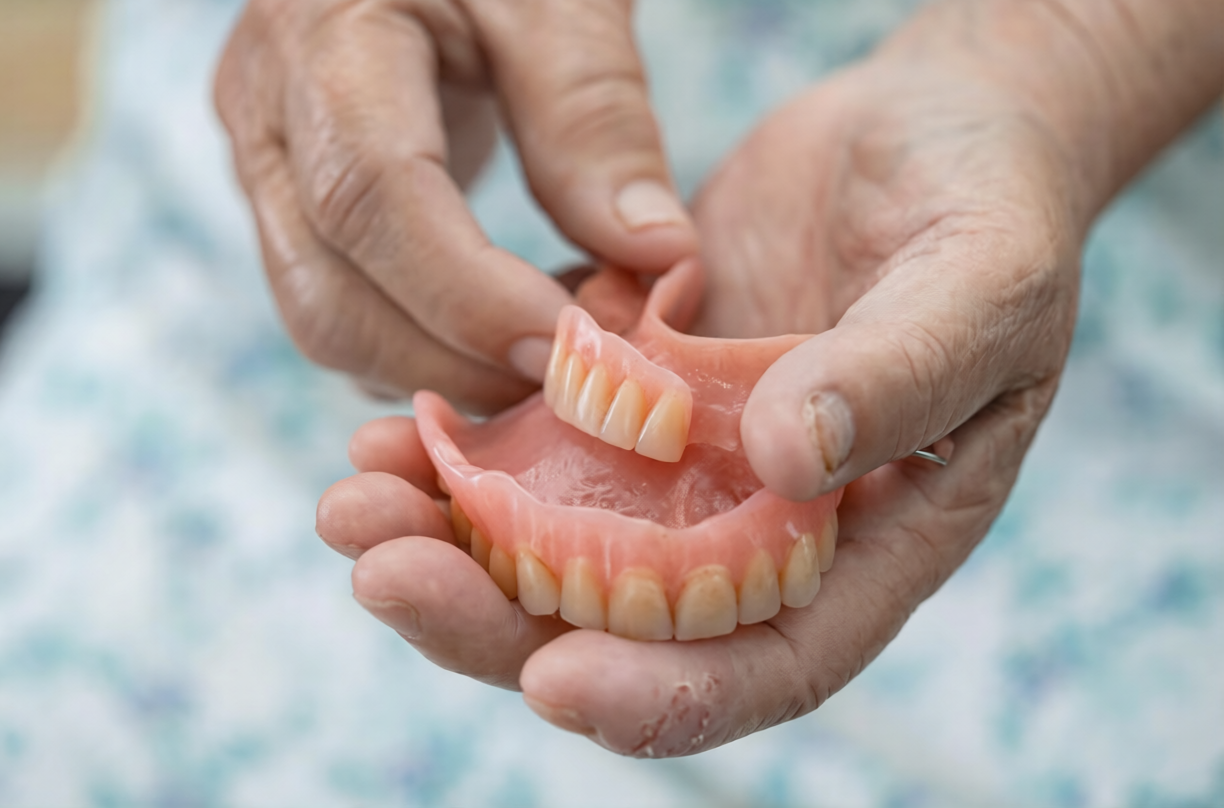
- Dentures usually last 5 to 10 years with proper care, though individual experiences vary based on material quality and oral changes.
- Natural bone resorption changes your jawbone and gum shape over time, which gradually affects how dentures fit.
- Different denture types have varying lifespans, with implant-supported options lasting longer, whilst immediate dentures serve as temporary healing options.
- Recognising warning signs early allows for timely intervention, helping prevent discomfort and maintain proper oral function.
- Loose fit, difficulty chewing or speaking, visible damage, chronic discomfort, and facial changes all indicate that professional evaluation may be needed.
- Proper daily care, including careful cleaning, appropriate storage, and careful handling, can help extend functional denture life between replacements.
- Regular dental check-ups every 6 to 12 months allow your dentist to monitor your condition, assess fit, and recommend appropriate intervention.
- The replacement process involves comprehensive assessment, precise impressions, custom fabrication, and adjustment appointments for comfortable, functional new dentures.
Understanding Denture Lifespan - What to Expect
Traditional dentures usually last between 5 and 10 years with proper care and regular professional maintenance. This timeframe represents an average range, and your individual experience may differ based on several important factors.
Multiple interconnected elements influence denture lifespan:
- Material quality:
Modern dentures are crafted from durable acrylic resin bases with porcelain or acrylic teeth designed to withstand daily use whilst maintaining their appearance. - Precision of fit:
The accuracy of the initial fabrication affects how well dentures distribute pressure across your gums and how comfortably they function during eating and speaking. - Oral tissue changes:
Your mouth undergoes natural changes throughout your life, including bone resorption and gum tissue alterations that affect denture fit regardless of the denture’s condition. - Care habits:
Your daily cleaning routine, storage methods, and how you handle your dentures all contribute to how long they remain functional and comfortable. - Individual biology:
Each person experiences different rates of bone loss, gum changes, and tissue response, which influences how quickly dentures may need adjustment or replacement. - Usage patterns:
How often you wear your dentures and the types of foods you eat can affect the rate at which materials wear down over time.
How Different Types of Dentures Compare in Longevity
Different denture types are designed for specific situations, and each has its expected longevity. Many patients ask the question, “How long do dentures last?” and the answer varies depending on which type you have.
Full Dentures (Complete Dentures)
Full dentures replace all teeth in your upper arch, lower arch, or both, providing complete restoration of your smile and chewing function. These appliances usually last between 5 and 10 years on average when properly maintained and regularly monitored by your dental team. As your mouth shape changes due to bone resorption, full dentures require periodic relining to maintain proper fit and function. Regular dental check-ups help your dentist monitor the condition of your dentures and the health of your oral tissues, allowing for timely interventions.
Partial Dentures
Partial dentures fill the gaps created by missing teeth, whilst your remaining natural teeth stay in place. These appliances have a similar 5 to 10 year lifespan to full dentures, though their longevity can be influenced by the health of your remaining natural teeth. The condition of the teeth that support or anchor your partial denture affects how well the appliance functions and how long it lasts. Metal framework partial dentures may offer increased durability compared to all-acrylic versions, though both types require regular professional assessment.
Immediate Dentures
Immediate dentures are placed in your mouth immediately after tooth extraction, providing you with teeth during the healing period. These dentures serve as a temporary option whilst your gums and bone heal, usually for a period of three to six months following extraction. Your mouth undergoes considerable changes during this healing period as tissues settle and bone remodels, which means immediate dentures often require frequent adjustments. Once healing is complete, immediate dentures are usually replaced with conventional dentures that can be fitted more precisely to your healed oral tissues.
Implant-Supported Dentures
Implant-supported dentures are anchored to dental implants surgically placed in your jawbone, providing increased stability and retention. The dental implants themselves can last 20 years or more with proper care and good oral hygiene, as they integrate with your jawbone and provide stimulation that helps preserve bone tissue. However, the denture portion that attaches to the implants may still need replacement after 10 to 15 years due to normal wear on the acrylic and teeth. This type of restoration offers the additional benefit of reduced bone loss compared to traditional dentures.
Common Signs You May Need New Dentures
Recognising the signs you need new dentures helps you address issues before they significantly affect your comfort or oral health. Here are the key indicators to watch for:
- Loose or Ill-Fitting Dentures:
Dentures that slip, slide, or require excessive amounts of adhesive to stay in place indicate that changes have occurred in your mouth. Bone resorption naturally changes the shape of your gums and jawbone over time, affecting how well dentures fit against your oral tissues. Sometimes, this issue can be addressed with a professional relining procedure before full replacement becomes necessary. - Difficulty Chewing or Speaking:
You may find yourself avoiding certain foods because they’ve become too challenging to chew comfortably with your dentures. Speech changes such as slurring, clicking sounds when you talk, or unexpected whistling noises can also develop when dentures no longer fit properly. These functional issues often indicate that your dentures have become ill-fitting and are affecting your ability to eat and communicate normally. - Visible Damage or Wear:
Cracks, chips, or fractures in the denture base or artificial teeth compromise both the function and hygiene of your dentures. Missing or loose teeth within the denture structure affect your chewing efficiency and appearance, whilst worn-down biting surfaces make it difficult to break down food properly. Damage to denture materials can create spaces where bacteria accumulate, making it harder to maintain proper oral hygiene. - Chronic Discomfort or Pain:
Persistent sore spots, gum irritation, or mouth sores that don’t improve suggest your dentures are no longer fitting properly against your oral tissues. Pain during chewing or speaking interferes with daily activities and quality of life, indicating that adjustments or replacement may be needed. Well-fitted dentures should feel comfortable after the initial adjustment period when you first receive them. - Noticeable Discolouration or Staining:
Deep stains that don’t respond to regular cleaning, along with yellowing or darkening of the denture teeth or base material, can indicate material breakdown. Significant discolouration may also suggest that your cleaning routine needs improvement or that the materials have reached the end of their functional life. These changes affect the appearance of your smile and potentially the function of your dentures. - Changes in Facial Appearance:
Sagging facial muscles, a sunken appearance around your mouth, or more pronounced wrinkles may develop when dentures no longer provide adequate support. Loss of support for your lips and cheeks can make you appear older than you are and affect your facial profile. These visible changes often indicate that significant bone loss has occurred or that your dentures are no longer supporting your facial tissues properly. - Persistent Oral Health Issues:
Recurring bad breath that persists despite thorough cleaning of your dentures may indicate that bacteria are accumulating in spaces created by a poor fit. Gum inflammation or infections that don’t respond to improved hygiene suggest your dentures may be irritating your oral tissues. Difficulty maintaining proper oral hygiene because food gets trapped under or around your dentures points to fit issues. - Age of Dentures:
Dentures older than 7 to 10 years should be professionally evaluated, even if they still seem comfortable to you. Significant wear can occur gradually over time, and you may not notice subtle changes in fit or function because they happen slowly. Regular check-ups every 6 to 12 months with your dental team help identify issues early, allowing for timely intervention before problems become severe.
Being aware of the signs you need new dentures helps you recognise when to replace dentures and seek professional guidance at the appropriate time. Many patients adapt to gradual changes without realising how much their dentures have deteriorated until they receive new ones and experience the difference.
How to Extend Your Dentures' Lifespan Through Proper Care
Proper denture care and maintenance can help you maximise the lifespan of your investment while keeping your dentures functioning well. Following recommended care practices supports both denture longevity and your oral health.
Daily Cleaning Routine
A thorough daily cleaning routine is one of the important aspects of denture care and maintenance:
- Remove and rinse your dentures after eating to wash away food particles and prevent staining or bacterial buildup.
- Brush your dentures daily using a soft-bristled denture brush and non-abrasive denture cleaner designed specifically for these materials.
- Never use regular toothpaste on your dentures because it’s too abrasive for denture materials and can create scratches where bacteria accumulate.
- Soak your dentures overnight in a denture-cleaning solution to help clear away stubborn deposits and keep materials moist.
- Brush your gums, tongue, and palate with a soft toothbrush before reinserting your dentures to stimulate circulation and address bacteria.
Handling and Storage
Proper handling prevents accidental damage that could shorten your dentures’ functional life:
- Handle your dentures carefully over a folded towel or basin of water to prevent damage if you accidentally drop them.
- Store your dentures in water or denture solution when you’re not wearing them to prevent the materials from warping or drying out.
- Never use hot water to clean or store your dentures because heat can warp the acrylic materials and affect the fit.
- Keep your dentures away from children and pets who might accidentally damage them or mistake them for toys.
Avoiding Damage
Taking precautions during daily use helps prevent premature wear or breakage:
- Remove your dentures before sleeping to give your gum tissues time to rest and recover from the pressure of wearing dentures all day.
- Avoid biting hard or sticky foods with the front of your dentures, as this can cause fractures or dislodge teeth.
- Do not attempt DIY adjustments using household glues or adhesives, as these products can be toxic and may prevent proper professional work.
- Address minor issues promptly by scheduling a dental appointment before small problems develop into major damage requiring replacement.
Regular Professional Care
Professional monitoring and maintenance complement your home care routine:
- Schedule dental check-ups every 6 to 12 months so your dentist can assess your dentures and oral tissues for any changes or concerns.
- Professional cleaning by your dental team can clear away stubborn deposits and stains that regular home cleaning may not address completely.
- Regular evaluations help detect fit issues early, allowing for timely relining or adjustments that can extend the life of your dentures.
- Relining procedures may be recommended when bone changes occur, as this can restore proper fit without requiring complete denture replacement.
Lifestyle Considerations
Your lifestyle choices can affect how long your dentures remain in good condition:
- Avoid tobacco products because they can stain denture materials and contribute to oral health problems that affect denture fit.
- Limit consumption of beverages that cause staining if discolouration is a concern for you, though proper cleaning helps minimise this issue.
- Maintain good overall health through proper nutrition and medical care, as your general health affects the condition of your gums and bones.
- Stay well hydrated by drinking plenty of water throughout the day, as adequate moisture helps with denture retention and supports oral tissue health.
The Denture Replacement Process - What to Expect
Understanding what happens when you need new dentures helps you feel more prepared about the process. The journey to new dentures involves several steps designed to help provide an appropriate fit and function.
Initial Consultation and Assessment
Your dentist will conduct a comprehensive examination of your current dentures and the condition of your oral tissues during your first appointment. This discussion provides an opportunity to talk about any concerns, challenges, or changes you’ve noticed with your current dentures. Your dentist will evaluate your jaw relationships, gum health, and bone structure to determine what approach will work for your individual situation.
Taking Impressions
Creating new dentures begins with taking precise impressions of your upper and lower gums to capture the exact contours of your mouth. Your dentist will also record your bite to help provide proper jaw alignment when your new dentures are fabricated. Multiple appointments may be needed to achieve the accuracy required for dentures that fit comfortably and function properly.
Fabrication Timeline
Custom denture creation usually requires several weeks to complete because skilled laboratory technicians craft each appliance to your specific measurements. The laboratory work helps provide a precise fit and creates a natural appearance that complements your facial features and smile. Quality craftsmanship cannot be rushed, as adequate time is needed to properly process materials and create dentures that will serve you well.
Fitting and Adjustments
During your initial fitting appointment, your dentist will check how your new dentures are positioned and how they feel in your mouth. Minor adjustments are commonly needed to support comfort and function, as even precise impressions may require fine-tuning once dentures are in place. Several follow-up visits are often necessary to refine the fit as you begin wearing your new dentures and your mouth adapts.
Follow-Up Care
Regular monitoring appointments after you receive your new dentures help maintain ongoing function as your mouth gradually changes. Your dentist may recommend periodic relining procedures down the line as natural changes occur in your oral tissues. Open communication with your dental team about any concerns or discomfort you experience helps address issues promptly.
Final Thoughts
Dentures usually last between 5 and 10 years, though individual experiences can vary considerably based on care habits, material quality, and the natural changes that occur in your mouth. Regular professional care combined with proper daily maintenance can help support denture longevity and keep you comfortable throughout the years you wear them. Recognising warning signs such as poor fit, discomfort, or visible wear allows you to seek timely intervention before problems significantly affect your quality of life.
Many patients wonder, “How long do dentures last?” and find that professional evaluation provides personalised guidance about when to replace dentures and what options may suit their specific situation. Your dentist can assess factors unique to you and recommend the appropriate course of action based on the condition of your dentures and oral tissues. Modern denture technology offers comfortable, natural-looking options that can restore function when your current dentures reach the end of their useful life.
At Anchorage Dental Care Mindarie, our team provides comprehensive denture services from initial fabrication through ongoing care and eventual replacement. We welcome you to schedule a consultation if you’re experiencing any concerns about your current dentures or would like to discuss whether replacement might be appropriate. Our team can help assess your individual needs and guide you towards options that support your oral health and daily comfort.


 How We Can Help
 General Dentistry
 Emergency Dentist
 Cosmetic Dentistry
 Dental Implants
 Restorative Dentistry
 Cosmetic Procedures
 Orthodontics
 Sedation and Sleep Dentistry
 Preferred Provider
 Other Payment Options
 Government Scheme