

If you’re considering dental restorations, you might wonder: can you mix veneers and crowns in one treatment plan? The answer is yes—veneers and crowns can be combined on different teeth as part of a comprehensive dental care approach. Many patients receive both procedures to address varied concerns across their smile.
Different teeth often require different treatments based on their condition, position, and function. A tooth with significant structural damage may need a crown for protection and strength. Meanwhile, a healthy tooth with cosmetic concerns, such as discolouration, might be suitable for a veneer. This flexibility allows your dentist to customise care for each tooth’s unique needs.
This article explores how veneers and crowns can work together in treatment planning. You’ll discover when combining these procedures makes sense, what the process involves, and key considerations for maintenance and costs. Consultation with a qualified dentist is required to determine individual suitability for any combined treatment approach.
Contents Navigation
- 1. Summary of the Content:
- 2. Understanding Dental Veneers and Crowns
- 3. Can You Combine Veneers and Crowns?
- 4. When Combining Dental Treatments Makes Sense
- 5. Benefits and Risks of Combining Crowns and Veneers
- 6. Other Treatments That Complement Veneers and Crowns
- 7. Planning Your Combined Treatment
- 8. Maintenance and Longevity
- 9. Cost Considerations
- 10. Is a Combined Treatment Right for You?
- 11. Final Thoughts
Summary of the Content:
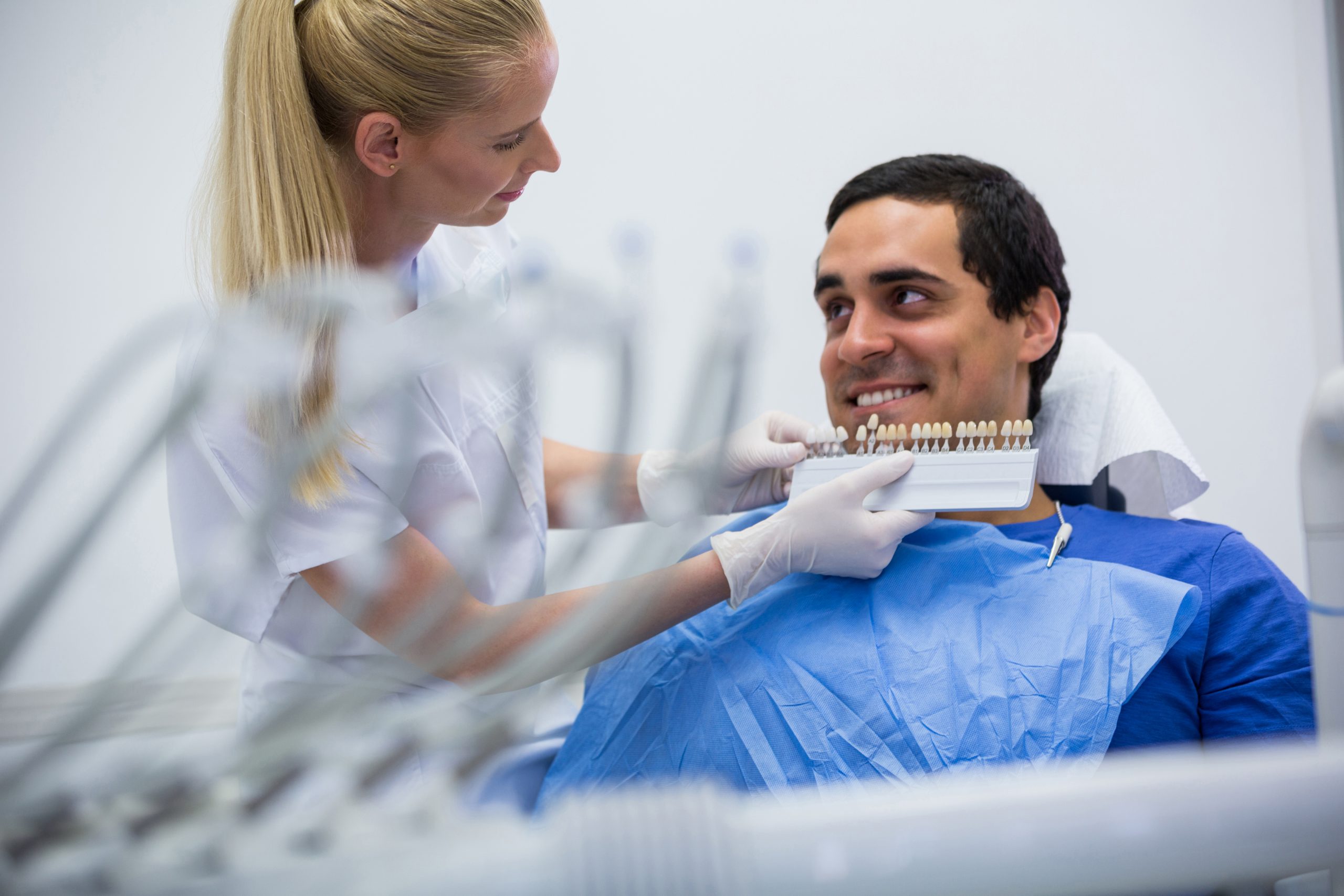
- Dental veneers and crowns serve different purposes—veneers primarily enhance appearance while crowns restore and protect damaged teeth.
- You can mix veneers and crowns across different teeth, but not on the same tooth simultaneously, allowing customised care for each tooth’s unique condition.
- Procedure selection depends on each tooth’s structural condition, position, and functional requirements, with a comprehensive examination determining appropriate options.
- Combining procedures requires careful planning, sequencing, and coordination between restorative and cosmetic work to achieve optimal functional and aesthetic outcomes.
- Understanding when to mix veneers and crowns helps patients make informed choices about comprehensive smile-restoration approaches.
- Additional procedures such as whitening or orthodontics may complement your veneer and crown combination, depending on your individual dental needs.
- Realistic expectations regarding costs, timelines, maintenance requirements, and longevity help patients adequately prepare for combined dental care.
- Dental professional consultation allows comprehensive examination and individualised care planning for optimal results.
Understanding Dental Veneers and Crowns
Before exploring how these treatments can work together, it’s helpful to understand what each procedure involves. Veneers and crowns differ in their purpose, structure, and the amount of natural tooth structure they affect. Both options address different dental concerns and require different preparation techniques.
What Are Dental Veneers?
Dental veneers are thin porcelain shells or composite resin coverings bonded to only the front surface of teeth. They primarily serve cosmetic purposes by improving the appearance of discoloured, chipped, or slightly misaligned teeth. Veneers can also address small gaps between teeth or minor irregularities in tooth shape.
Types of veneers include the following:
- Porcelain veneers:
These are custom-made in a dental laboratory using ceramic materials that offer longevity and natural translucency, mimicking tooth enamel. Porcelain veneers resist staining better than composite options and can last 5 to 10 years or longer with proper care. They require two visits—one for preparation and impressions and another for bonding the finished veneers. - Composite resin veneers:
These are applied directly to your teeth during a single visit using tooth-coloured resin material that your dentist shapes and hardens with a specific light. Composite veneers are typically more affordable than porcelain options and require less tooth preparation. However, they may be more prone to staining and commonly last five years before needing replacement or refinishing.
What veneers can address:
- Discolouration that doesn’t respond to whitening treatments:
eneers can cover intrinsic staining caused by medications, fluorosis, or other factors that professional whitening cannot improve effectively. - Minor chips or worn edges on front teeth:
Small chips from accidents or gradual wear over time can be concealed with veneers, restoring the tooth’s original appearance and shape. - Small gaps between teeth:
Veneers can close minor spacing issues between front teeth, creating a more uniform smile without requiring orthodontic care in some cases. - Slight misalignment or irregular tooth shapes:
Veneers can mask minor positioning irregularities or naturally uneven tooth shapes, helping create a more balanced smile.
The procedure requires minimal removal of natural tooth enamel—usually less than a millimetre from the front surface. Veneers cover only the visible front portion of teeth, leaving the back and sides largely intact. This approach typically requires less natural tooth removal than crown preparation, though the extent of preparation varies depending on the individual tooth’s condition and treatment requirements.
What Are Dental Crowns?
A dental crown covers the entire visible portion of a tooth, encasing it like a protective cap. Crowns serve dual purposes—they aim to provide structural integrity to damaged or weakened teeth while also improving appearance. They’re commonly recommended when teeth experience significant structural compromise.
Situations where crowns may be considered:
- Teeth with large fillings that weaken the remaining structure may benefit from crown restorations to prevent future fractures and provide long-term stability.
- Cracked or fractured teeth require full cover protection that a dental crown can provide, helping to hold the tooth together and prevent further damage.
- Teeth that have undergone root canal treatment commonly become more brittle and vulnerable, making crown placement advisable to protect the weakened tooth structure.
- Severely decayed teeth may require crowns after the decay is removed, as the remaining natural tooth structure is often insufficient to support other restorations.
- Badly broken teeth that cannot support smaller restorations, such as fillings or onlays, often require the comprehensive protection that crowns offer.
Crown material options:
| Material Type | Commonly Used For | Key Characteristics |
| All-porcelain/ceramic | Front teeth | Natural appearance, colour-matches surrounding teeth |
| Porcelain-fused-to-metal | Front or back teeth | Strength of metal with porcelain exterior |
| Metal alloys (gold/silver) | Back teeth | Durable, withstands heavy bite forces |
| Zirconia | Any tooth | Strong and aesthetically pleasing |
The procedure requires more extensive tooth preparation than veneers, as a dental crown covers the entire tooth. Your dentist manages damaged or weakened portions of the tooth and reshapes it to accommodate the crown. A temporary crown protects the tooth while your custom-made crown is fabricated in a laboratory.
Can You Combine Veneers and Crowns?
When asking, ‘Can you mix veneers and crowns?’, the answer is that you can combine them within a single treatment plan. This approach is commonly used in comprehensive dental care. Different teeth receive different treatments based on their individual structural needs, functional requirements, and aesthetic goals. This approach is frequently used in comprehensive smile makeovers where patients have varied concerns across multiple teeth.
Important distinctions:
- Same tooth:
You cannot place both a veneer and a crown on the same tooth at the same time because each restoration requires different preparation techniques and covers different portions of the tooth structure. - Different teeth:
Combining veneers and crowns on different teeth is effective and widely practised, allowing your dentist to customise care based on each tooth’s individual structural condition and functional needs.
Example treatment scenario:
- Back molars:
These teeth receive crowns to provide structural support and durability under heavy biting forces. Back molars endure the most pressure during chewing and grinding food throughout daily function. - Front teeth:
These teeth receive veneers for cosmetic enhancement with minimal tooth preparation. Veneers preserve more of the natural tooth structure while improving the appearance of teeth, particularly when smiling or speaking. - Teeth that have undergone root canal procedures:
These teeth need crowns for protection regardless of position because the procedure can leave them more brittle and vulnerable to fracture without complete restoration.
The key principle is that treatment selection depends on each tooth’s condition and role in your bite. A comprehensive dental examination determines which teeth require which treatment type. Your dentist evaluates tooth structure, decay, existing restorations, bite alignment, and your aesthetic goals to develop an appropriate plan.
When Combining Dental Treatments Makes Sense
Comprehensive dental care often requires different approaches for different teeth because oral health issues vary throughout your mouth. Some teeth may experience structural damage requiring full cover, while others need primarily cosmetic improvements. Combining treatments addresses these varied needs in a coordinated, efficient manner.
The decision to combine veneers and crowns is based on clinical assessment of each tooth’s structural integrity and functional requirements. Your dentist considers factors like tooth position, bite forces, existing damage, and aesthetic priorities. This evaluation sees that each tooth receives appropriate care for its specific condition.
Different Teeth, Different Needs
Common veneer candidates:
- Front teeth that are healthy but discoloured or stained from factors like coffee, tea, or ageing can benefit from veneer placement.
- Teeth with minor chips that don’t compromise structural integrity may be suitable for veneers rather than more extensive restoration.
- Teeth with small gaps or slight shape irregularities can be enhanced with veneers to create a more uniform appearance.
- Teeth that primarily serve aesthetic purposes and experience less bite force are often good candidates for the conservative veneer approach.
Common crown candidates:
How tooth position influences procedure selection:
- Front teeth (incisors and canines):
These teeth often receive veneers when they’re healthy but aesthetically compromised by staining or minor damage. They may receive all-porcelain crowns if they’re structurally damaged and need comprehensive restoration. - Premolars:
These teeth can receive either veneers or crowns depending on the extent of damage and their visibility when smiling. Your dentist considers both functional demands and aesthetic requirements when recommending options for premolars. - Molars:
These teeth commonly receive crowns due to the heavy bite forces they experience and their primary functional role in chewing. Crowns provide the durability and protection molars need to withstand daily grinding and chewing forces.
Tooth position and bite patterns significantly influence treatment selection. Teeth that contact heavily during chewing may need more durable restorations, such as crowns. Teeth visible when you smile might receive porcelain veneers for optimal aesthetics and natural translucency. Understanding whether you can mix veneers and crowns helps you appreciate why individualised treatment planning considers each tooth’s specific role and condition.
Treatment Sequencing Considerations
When combining veneers and crowns, the sequence of procedures matters for achieving optimal results. Proper sequencing results in each phase building appropriately on previous work and maintains proper bite alignment throughout treatment.
Standard treatment sequence:
- Address foundational issues if needed:
Your dentist may recommend completing periodontal treatment or orthodontics before restorations in some cases. - Complete restorative work:
Place crowns on damaged or weakened teeth requiring structural support. - Perform cosmetic enhancements:
Add veneers to healthy teeth needing aesthetic improvement. - Final adjustments:
Proper bite alignment and colour throughout all restorations.
Why sequencing matters:
- Crown work on back teeth affects bite alignment for front veneers.
- Laboratory dental technicians need existing crown information to create coordinated veneers that match with your completed restorations.
- Temporary restorations protect prepared teeth between appointments.
- Appropriate sequencing may help minimise the need for remake or adjustment procedures, though individual outcomes vary.
Your dentist determines appropriate treatment sequencing during the planning phase based on your individual circumstances. The timeline may vary depending on the complexity of your case and the number of teeth involved. Some patients complete all procedures within weeks, while others require several months for comprehensive treatment.
Benefits and Risks of Combining Crowns and Veneers
Benefits of combined treatment:
- Customised care:
Each tooth receives appropriate treatment for its unique condition and needs. - Address multiple concerns:
Simultaneously support damaged teeth and enhance aesthetic appearance. - Preserve natural structure:
Veneers preserve more tooth structure on healthy teeth while crowns protect damaged ones. - Functional restoration:
Crowns aim to provide chewing ability and protect weakened teeth from further damage. - Aesthetic coordination:
Integrated planning aims to achieve colour and appearance balance across teeth. Individual results vary. - Coordinated approach:
Addressing multiple concerns in a single plan enables integrated care, though treatment duration varies depending on individual complexity and requirements.
Considerations and risks:
- Irreversible tooth preparation:
Both procedures require removing some natural enamel. - Temporary sensitivity:
Some patients experience tooth sensitivity following preparation that commonly subsides after restoration placement. - Eventual replacement needed:
No dental restoration lasts forever; veneers and crowns require replacement over time. - Treatment complexity:
Combining multiple procedures requires careful coordination and planning. - Cost investment:
Comprehensive treatment requires a significant upfront financial commitment. - Maintenance requirements:
All restorations need proper care, regular check-ups, and good oral hygiene. - Individual variation:
Outcomes and longevity vary based on tooth condition, habits, and oral hygiene.
All dental procedures carry risks that should be discussed during consultation. Individual factors like tooth condition, oral hygiene habits, and bite forces affect treatment outcomes and longevity. A thorough discussion of risks and benefits specific to your situation must occur during professional consultation before proceeding with any treatment.
Other Treatments That Complement Veneers and Crowns
Comprehensive dental care often includes additional procedures beyond veneers and crowns to achieve optimal results. These complementary treatments work together to address varied concerns and enhance overall outcomes.
Additional treatments that may be recommended:
- Professional teeth whitening can brighten your natural teeth before restoration colour-matching occurs. This allows your dentist to create veneers and crowns that match your desired shade.
- Dental bonding addresses minor cosmetic adjustments on adjacent teeth. It fills small gaps or refines shapes to create smooth transitions between restorations and natural teeth.
- Orthodontic procedures can address alignment issues before restorations are placed. Proper alignment creates an ideal foundation that may reduce the need for extensive tooth preparation.
- Dental implants can replace missing teeth alongside restorative work. This provides a comprehensive approach that addresses both missing and damaged teeth within a single coordinated care plan.
Teeth Whitening and Treatment Timing
Professional teeth whitening may be recommended before fabricating veneers and crowns in some cases. Your dentist can discuss appropriate sequencing for your individual treatment plan. This timing is critical because veneers and crowns are created in specific shades that cannot be altered after placement.
Why whitening comes first:
- Porcelain and ceramic restorations maintain their original colour and cannot be whitened after placement.
- Natural teeth can be brightened through professional whitening procedures performed by your dentist.
- Colour-matching happens after whitening is complete, so restorations can match your desired shade accurately.
- Completing whitening first prevents colour mismatch between your natural teeth and restorations.
What happens if you whiten after restoration placement:
- Natural teeth become lighter through whitening, while restorations remain their original shade.
- This creates noticeable colour differences across your smile that can appear aesthetically inconsistent.
Restorations may need replacement to match your newly whitened teeth, adding expense and time.
Recommended whitening timeline:
- Your dentist may recommend whitening several weeks before restoration fabrication to allow tooth colour to stabilise. Timing varies based on your individual circumstances and the whitening method used.
- Allowing tooth colour to stabilise before taking impressions helps create more accurate colour-matching for your restorations.
- The dental laboratory creates restorations that match your desired final shade after whitening is complete.
- You can maintain colour with good oral hygiene and occasional touch-up whitening if needed over time.
Whitening timing can be discussed during treatment planning if this procedure is relevant to your individual case. Your dentist can recommend suitable whitening methods based on your tooth condition and sensitivity.
Dental Bonding and Composite Work
Dental bonding uses tooth-coloured composite resin applied directly to teeth for minor enhancements or adjustments. This technique can complement veneers and crowns by addressing specific concerns on adjacent teeth.
When bonding complements veneers and crowns:
- Bonding can fill small gaps between restored and natural teeth, creating a seamless appearance where different types of restorations meet.
- Your dentist can use bonding to adjust tooth shapes, creating smooth transitions between veneers, crowns, and natural teeth throughout your smile.
- Bonding material can mask minor discolouration on teeth that don’t require full veneer or crown cover but need slight colour improvement.
- Small chips on adjacent teeth can be addressed with bonding without requiring full restoration cover.
- Bonding creates natural-looking transitions between different restoration types by carefully matching colour and contour to surrounding teeth.
Advantages of dental bonding:
- Minimal preparation:
Bonding requires less tooth preparation than veneers, preserving more of your natural tooth structure during the procedure. - Single visit:
The bonding procedure can be completed in a single visit without laboratory time, allowing you to see immediate results. - More affordable:
Bonding typically costs less than porcelain restorations, making it a more accessible option for minor cosmetic improvements. Individual fees vary based on the complexity of the work required and the materials your dentist uses. - Colour matching:
Bonding material can be colour-matched to adjacent veneers and crowns during your appointment, creating visual consistency across all restorations in your smile.
Bonding procedure overview:
- Your dentist selects a composite resin that matches the colour of the surrounding tooth. The tooth surface receives minimal preparation (usually just roughening).
- Resin is applied, shaped to the desired form, and hardened with special light.
- Final polishing creates a smooth, natural appearance.
While not as strong as porcelain veneers, bonding provides a useful option for specific cosmetic concerns. It works well for minor adjustments that complement more comprehensive restoration work.
Orthodontic Treatment
Orthodontic treatment using braces or clear aligners may be recommended before veneers and crowns in some cases. When significant tooth misalignment or bite issues need adjustments, addressing these concerns first creates an ideal foundation.
Situations where orthodontics may be considered before restorations:
- Significant crowding or spacing issues affecting multiple teeth.
- Bite misalignment causes uneven wear or jaw discomfort.
- Rotated or tilted teeth that would require excessive preparation for veneers.
- Situations where proper alignment reduces restoration complexity.
Benefits of addressing alignment first:
| Benefit | Explanation |
| Potentially reduced tooth preparation | Properly aligned teeth may require less aggressive reshaping for restorations in some cases |
| Potentially improved stability | An adjusted bite may help reduce excessive forces on restorations |
| Aesthetic considerations | An aligned foundation may contribute to natural-looking results. Individual outcomes vary. |
| Improved oral health | Properly positioned teeth may be easier to clean and maintain for many patients |
When veneers can address minor alignment:
- Very slight spacing between front teeth.
- Minor tooth rotations are not affecting bite function.
- Small irregularities that don’t compromise structural stability.
Treatment timeline considerations:
- Orthodontic treatment typically takes 6-24 months, depending on the complexity.
- Veneers and crowns are placed after orthodontic treatment completion.
- Some patients combine orthodontics with subsequent restoration work for a comprehensive smile transformation.
Your dentist evaluates whether orthodontic treatment would benefit your specific situation. This assessment considers bite alignment, tooth positions, and your treatment goals.
Planning Your Combined Treatment
Combined treatment requires comprehensive consultation, assessment, and planning. This collaborative process aims to develop a treatment plan that addresses both clinical needs and personal goals. Individual outcomes vary.
Initial consultation components:
- Comprehensive examination:
Evaluation of tooth condition, gum health, bite alignment, and existing restorations. - Diagnostic imaging:
X-rays or digital scans to assess tooth structure and underlying bone. - Goal discussion:
Conversation about your aesthetic priorities and functional concerns. - Treatment options:
Explanation of suitable approaches for your individual situation. - Timeline planning:
Estimated number of visits and treatment duration.
Questions to ask during consultation:
- Which teeth need crowns versus veneers, and why?
- What is the recommended treatment sequence?
- How many visits will be required?
- What preparation is needed for each procedure?
- Will temporary restorations be necessary between appointments?
- What materials do you recommend for my specific needs?
- How will you colour-match across all restorations?
Customised treatment plan elements:
- Your plan identifies specific teeth receiving each type of restoration based on individual needs.
- Your dentist recommends appropriate materials for crowns and veneers based on tooth position and function.
- The plan includes sequencing of procedures with an estimated timeline for completion.
- Your dentist coordinates any complementary procedures needed to achieve optimal results.
- The plan provides a detailed cost breakdown for each component of your care.
- Your dentist discusses payment options and financing availability to suit your budget.
- The plan outlines maintenance requirements after your restorations are completed.
Planning discussions should cover all aspects of your care so you understand what to expect. You should feel comfortable asking questions and expressing concerns throughout the planning process. Understanding the complete treatment process assists with informed decision-making about whether to proceed.
Maintenance and Longevity
Expected restoration lifespan:
- Porcelain veneers:
Longevity varies significantly based on individual factors, including oral hygiene, bite forces, and material quality. Some patients report 10-15 years of use with proper care, while others may require earlier replacement. - Porcelain crowns:
Longevity varies significantly based on individual factors, including oral hygiene, bite forces, and material quality. Some patients report 10-15 years of use with proper care, while others may require earlier replacement. - Composite veneers:
Commonly last 5-7 years before needing replacement. - Individual variation:
Actual longevity depends on materials, care habits, and bite forces.
Daily maintenance requirements:
- Brush twice daily with a soft-bristle toothbrush and non-abrasive toothpaste.
- Floss once daily to manage plaque between teeth and around restoration margins.
- Avoid hard foods that could chip or crack restorations (ice, hard lollies, popcorn kernels).
- Don’t use your teeth as tools to open packages or bite nails.
- Wear a night guard if you grind or clench your teeth during sleep.
Professional maintenance:
| Frequency | Activity | Purpose |
| Every 6 months | Dental check-up | Monitor restoration condition and overall oral health |
| Every 6 months | Professional cleaning | Address plaque and tartar around restoration margins |
| As recommended | X-rays | Check for decay or issues beneath restorations |
| Annually | Bite assessment | Assess alignment and check for excessive wear |
Factors affecting restoration longevity:
- Oral hygiene habits:
Daily brushing and flossing prevent decay around restoration margins. - Regular dental visits:
Professional monitoring may help identify potential issues. Detection timing varies based on individual circumstances. - Bite forces:
Heavy grinding or clenching can damage restorations over time. - Diet choices:
Acidic foods or frequent snacking increase the risk of decay. - Protective measures:
Night guards protect against grinding damage. - Material quality:
Porcelain quality may influence longevity. Individual outcomes vary based on multiple factors, including oral hygiene and bite forces.
Following your dentist’s care recommendations may help extend the longevity of your restoration, though individual outcomes vary based on multiple factors. Good oral health practices benefit all teeth.
Cost Considerations
Treatment costs vary significantly based on multiple factors. Understanding what influences pricing helps you budget appropriately for comprehensive care.
Factors affecting treatment costs:
- The number of teeth receiving restorations directly affects the total cost, with more extensive work requiring a greater investment.
- The materials selected for your restorations influence pricing; options include porcelain, ceramic, composite, and metal alloys.
- The complexity of your case and the preparation requirements affect the time and skill needed, influencing overall costs.
- Laboratory fees for custom fabrication vary based on the quality of the materials and the level of detail required for your restorations.
- Geographic location and specific clinic pricing structures can significantly influence the cost of your dental care.
- Additional procedures included in your plan, such as whitening, bonding, or orthodontics, add to the total investment required.
Approximate cost ranges (per tooth):
| Treatment | Estimated Range | Notes |
| Porcelain veneers | $1,200-$2,500 | Varies by material quality and clinic |
| Composite veneers | $400-$800 | More affordable but less durable |
| Porcelain crown | $1,500-$2,500 | Depends on the material and complexity |
| Porcelain-fused-to-metal crown | $1,200-$2,000 | Mid-range durability option |
Financial considerations:
- Comprehensive treatment involving multiple teeth represents a significant upfront investment.
- Combining treatments may be more efficient than addressing issues separately over time.
- Some clinics offer payment plans or financing to spread costs.
- Private health fund cover varies—check your policy for dental benefits.
- A higher initial investment in quality materials may yield better long-term value.
Questions about costs to discuss during consultation:
- What is the total estimated cost for my treatment plan?
- How does the procedure break down the cost?
- What payment options or financing are available?
- Does my health fund provide cover for these procedures?
- Are there alternative material options at different price points?
- What is included in the quoted price (follow-up visits, adjustments)?
Understanding all cost components before treatment helps you plan financially. Your dentist should provide a clear cost breakdown during the consultation.
Is a Combined Treatment Right for You?
Combined treatment may be considered for patients with:
- Multiple dental concerns require varied approaches across different teeth.
- Mix of structural damage (requiring crowns) and cosmetic concerns (suitable for veneers).
- Commitment to proper maintenance and regular dental visits.
- Realistic expectations about treatment outcomes and investment required.
- Generally good oral health with healthy gums.
- Adequate time availability for multiple appointments if needed.
Situations where alternative approaches may be appropriate:
- When you have only cosmetic concerns across all front teeth, veneers alone may suffice, without the need for crowns.
- When you have only structural damage requiring restoration, crowns alone may suffice without needing veneers.
- A limited budget makes comprehensive treatment impractical at the moment for some patients.
- Some patients prefer phased treatment over time rather than completing all work in a comprehensive approach.
Factors your dentist considers:
- Tooth condition:
The structural integrity of each tooth determines which type of restoration is most appropriate for your needs. Damaged teeth commonly need crowns, while healthy teeth may be suitable for veneers. - Bite alignment:
Proper function requires coordinated restoration planning to maintain comfortable chewing and prevent excessive wear. Your dentist evaluates how your teeth come together to determine the most appropriate approach. - Aesthetic goals:
Your desired outcome influences the selection of materials and techniques used for your restorations. Front teeth visible when smiling may receive different materials than back teeth used primarily for chewing. - Oral health status:
Active decay or gum disease needs care before restorations can be placed properly. Addressing these foundational issues first helps create a stable environment for long-lasting restorations. - Personal circumstances:
Your budget, timeline availability, and commitment to ongoing maintenance all influence whether comprehensive combined care is suitable for you now. Your dentist works with you to develop a plan that fits your individual situation.
The decision should be made in consultation with a qualified dentist who comprehensively assesses your individual situation. A professional evaluation determines whether combined treatment would benefit your specific circumstances.
Final Thoughts
Veneers and crowns can be effectively combined to address different dental needs across your smile. Treatment selection is based on each tooth’s individual condition, position, and functional requirements. Treatment plans are developed based on each tooth’s individual condition, with different approaches used for structural restorations and aesthetic concerns, as appropriate.
Key takeaways:
- Different teeth often need different treatments based on their unique conditions.
- Comprehensive planning sees that procedures are sequenced appropriately for optimal results.
- Proper maintenance and realistic expectations support long-term results.
- Professional consultation provides personalised assessment and treatment recommendations.
Anchorage Dental Care Mindarie provides consultations for patients considering dental restorations. Contact our team to schedule an examination. All procedures carry risks and benefits that should be discussed during consultation.



 How We Can Help
 General Dentistry
 Emergency Dentist
 Cosmetic Dentistry
 Dental Implants
 Restorative Dentistry
 Cosmetic Procedures
 Orthodontics
 Sedation and Sleep Dentistry
 Preferred Provider
 Other Payment Options
 Government Scheme